



“Boy”
Slip on your favorite dungarees and spend the day on the east coast of New Zealand before the 90s.

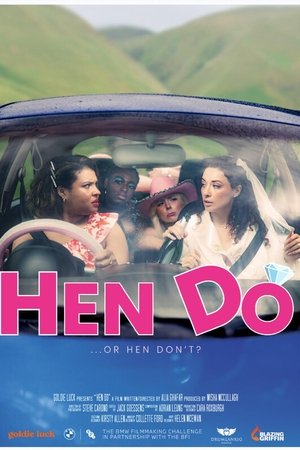


En-route to her hen weekend, bride-to-be Faye kills the vibe with a bombshell confession.
Slip on your favorite dungarees and spend the day on the east coast of New Zealand before the 90s.
Director Martin Scorsese broadens his boundaries from mafia-driven movies, to a Buddhist biopic of the 14th Dalai Lama. While Buddhism strives for peace, ‘Kundun’ reveals the violence inflicted on Tibetan Buddhists and Scorsese’s depiction of violence does not stray away.
This Disney+ movie is about a 12-year-old math genius who wants to become a rapper.
Two young girls meet in the same neighborhood unexpectedly as they embark on a new adventure using their imaginations as this movie brings strong representation among women.
Darren Arronofsky focuses on diverse and heartbreaking stories about the human experience.
Steven Soderbergh’s Contagion is a fan-favorite, as are some of the more science fiction angled movies like 28 Days Later or World War Z. I recently watched the 1995 Wolfgang Peterson-directed movie, Outbreak for the first time, which is currently available on Netflix.