






Love Stories from the African Diaspora
Here are some of our picks for inclusive Black love stories in film and media. We hope you enjoy these tender love stories and beautiful depictions.
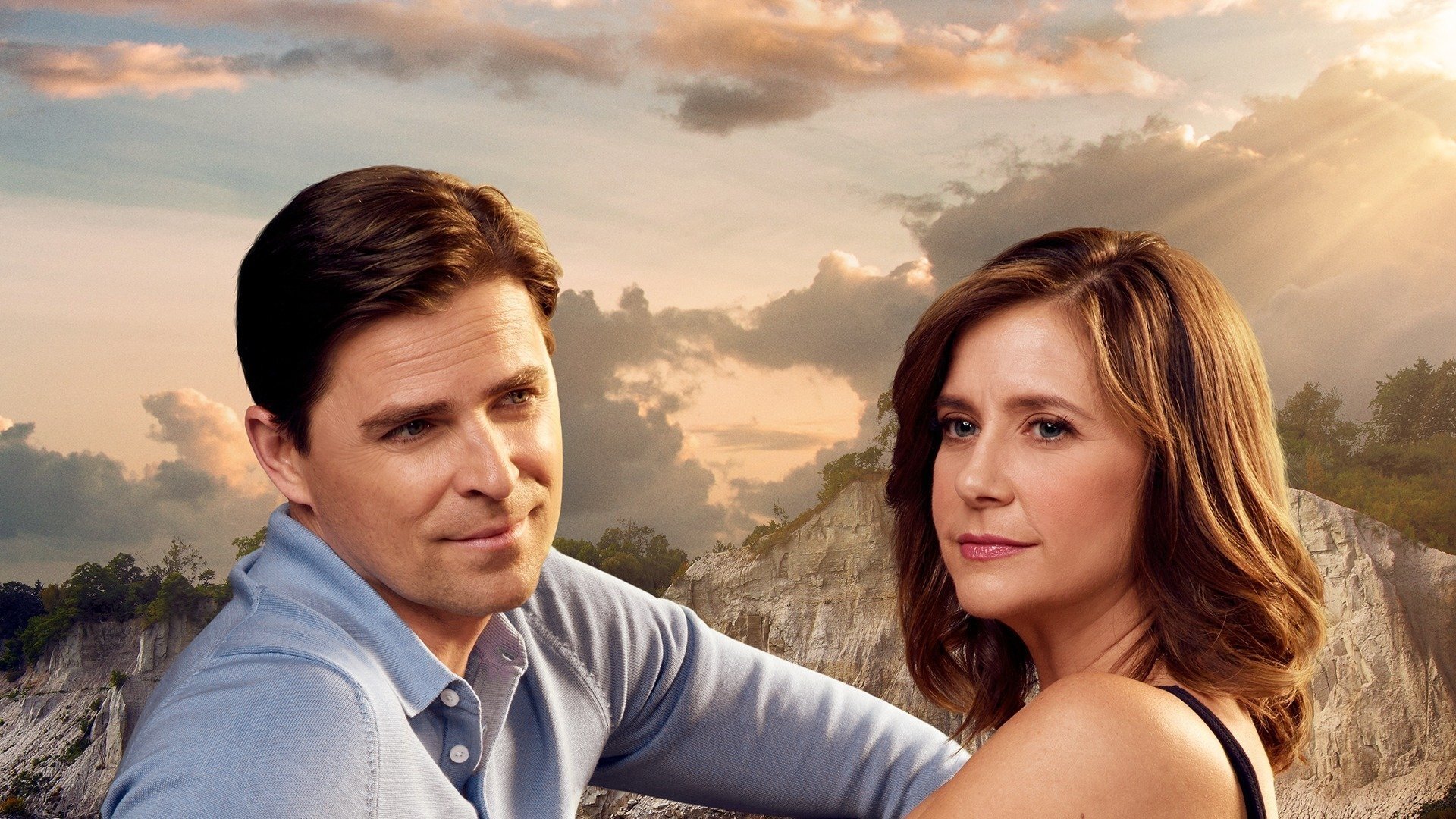
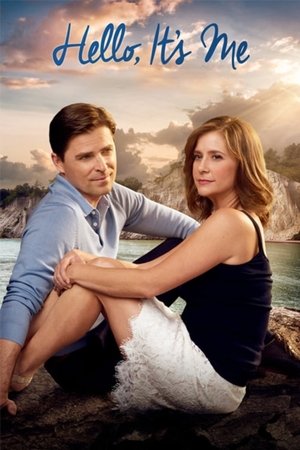


Two years after her husband dies in a sudden accident, Annie and her two children are left to cope with the loss. Annie can't imagine falling in love again, until she meets a wealthy bachelor who is drawn to her free spirit. Afraid to love again, she longs for guidance when she starts to develop feelings for this new man. Her prayers are answered when she starts receiving communications from her late husband that encourage her to follow her heart.
Here are some of our picks for inclusive Black love stories in film and media. We hope you enjoy these tender love stories and beautiful depictions.
Swapped combines comedy, adventure and emotional growth while delivering one of the biggest plot twists in animation history.
Eddington attempts to capture how media is intertwined with the uncomfortable present.
This spin-off series follows the adventures of Kitty Covey, Lara Jean's younger sister from the "To All the Boys" film franchise.
Like many things, like animals and people, they always evolve. When the first humans walked the Earth, they originated from Africa and were all black.
Do not trust Rotten Tomatoes. That is what I learned after watching Eternals. Critics currently rate it a 48%, but it's an amazing character-focused Marvel movie with positive diverse representation.