



'The Healing Powers of Dude' (2020)
This Netflix TV series is perfect for animal lovers as it is centered on human-dog bonding.
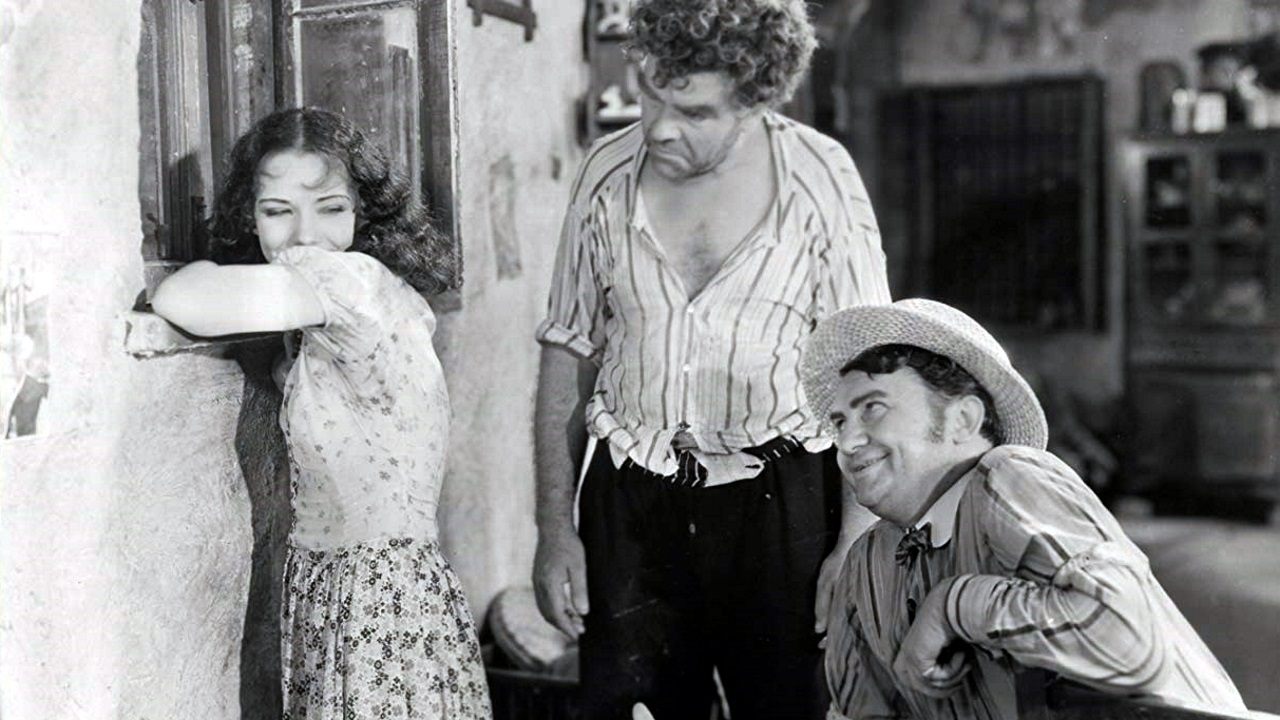



Lovely Anita dreams of escaping the monotony of her island home and sailing to bustling Havana. But when her abusive father promises her to the greasy local merchant, Anita does everything in her power to make her dream a reality.
This Netflix TV series is perfect for animal lovers as it is centered on human-dog bonding.
Do not trust Rotten Tomatoes. That is what I learned after watching Eternals. Critics currently rate it a 48%, but it's an amazing character-focused Marvel movie with positive diverse representation.
With The Father, writer-director Florian Zeller- who wrote and developed the play upon which the film is based- pulls no punches as he confidently makes every effort to put the audience in the mind of someone whose grip on reality has all but vanished. It’s a dazzling testament to Zeller’s abilities as a director as he makes his first transition from stage to film appear as if he’s been working behind a camera his entire career. The dialogue he fashions with co-writer Christopher Hampton, along with the work of production designers Peter Francis and Cathy Featherstone, collectively makes the downward spiral of dementia startlingly tangible, doing so in a way that can be comprehended by everyone except the person it directly affects.
A Christmas movie that is not about a middle-class, straight relationship but centers on a lesbian couple.
The plot could’ve really been interesting if the elements of lycanthropy was integrated with perhaps the struggle of identity of being LGBTQ+. It's an experience for so many that as they’re starting to realizing their true selves, they feel like a monster, especially if they come from unsupportive homes or communities. Instead, the horror and transformation elements seem thrown in without contemplation of how this could deepen the narrative.
Films can alleviate alienation by presenting realities where the viewers feelings are shared by onscreen characters. The film 'Shrek' can be interpreted as a transgender story.