




'Merry & Gay': A smart and heartfelt LGBTQ Christmas venture
The film centers around two young women, Becca and Sam, who were once high school sweethearts until they reconnect in their town.
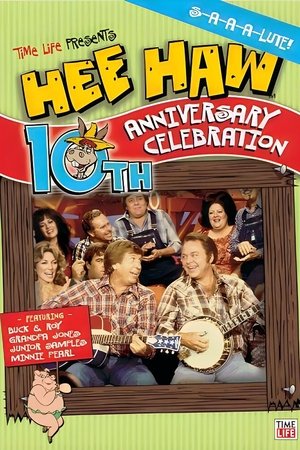


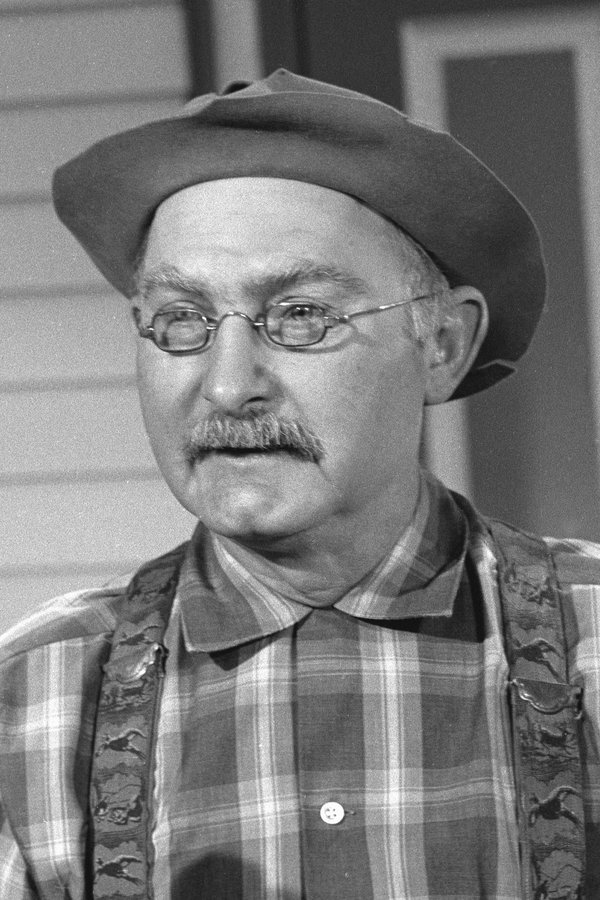
In the summer of 1969, HEE HAW moseyed into the CBS time slot occupied by The Smothers Brothers Comedy Hour. Conceived as a rural alternative to Rowan & Martin's Laugh-In, the show ranked in the top 20 nationally when CBS pulled the plug in 1971. But co-hosts Buck Owens and Roy Clark, along with the whole Kornfield Kountry gang, sang and joked on in syndication. In 1978, they grinned at the critics in a two-hour 10th-Anniversary shindig, which was videotaped with an audience of invited guests and fans at the Grand Ole Opry House. Mixing nostalgia with new performances by country music's biggest stars, this special edition of HEE HAW never misses the funnybone.
The film centers around two young women, Becca and Sam, who were once high school sweethearts until they reconnect in their town.
The history of Hollywood is as ugly as it is beautiful. Most notably absent from Hollywood history are Black-produced films. “They’ve Gotta Have Us” explores the rise of Black cinema.
In the spirit of Halloween, here's a list of body horror films which can be interpreted as trans allegories.
... La huesera haunts her daily life, leaving people to question her viability as a mother, and Valeria’s lack of satisfaction with her life leave her asking similar questions. These misgivings reach their peak after the baby is born, when Valeria, visibly in a state akin to possession, locks her in the fridge when she won’t stop crying through the night
'The Invisible Man' triumphs in tension even as it drops the ball on genuine surprise for the audience.
Dead Poets Society relies on patriarchal tropes such as overbearing fathers, contrived brotherhood, and faux-individuality in order to portray its straight white male characters as oppressed.