







"Diary of a Wimpy Kid Christmas: Cabin Fever"
An original animated movie in the Wimpy series based on the book Cabin Fever.
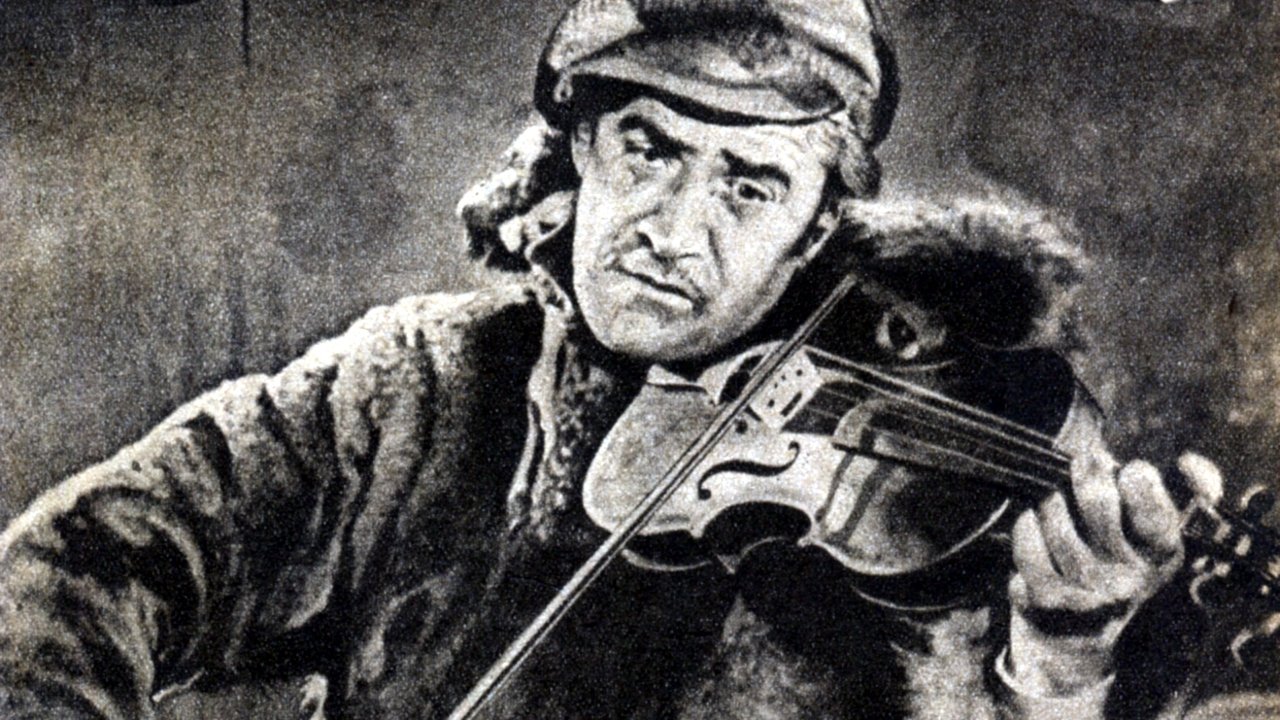



Terry Dunniva, a retired sea-captain living in Marblehead, Massachusetts, adopts two children, Chrystal and Ned. As the girl grows to womanhood, Terry realizes his fatherly-love had grown to something stronger. He asks her to become his wife. Chrystal, who is in love with her foster-brother, consents rather than destroy Terry's happiness. On the day of their marriage, Ned returns from a long voyage with the intent of making Chrysal his wife. And, he, too, rather than destroy the happiness of his adopted-father, leaves to embark on an Artic voyage that might mean his death. When Terry learns of the sacrifice both Chrystal and Ned are making on behalf of his happiness, he takes Ned's place on the voyage and gets both to pledge that if he does not return, they will marry each other.
An original animated movie in the Wimpy series based on the book Cabin Fever.
A masterful portrayal of a long-forgotten story that needs to be told.
You can’t talk to my grandpa about The Sopranos. You can’t talk to him about The Godfather either. Merely by bringing up the subject, you’d be treated to a lecture on how movies and TV want you to believe that all Italians are criminals and mobsters. He won’t watch any of it, in protest.
On top of the phenomenal acting, and great dialogue between the two characters, the cinematography was ravishing! The sound was outstanding! The production design was simple, yet intrinsic. The minimalistic approach in the Malibu beach house represented how little they really have going on in their relationship. The storyline may have been much simpler than "Who's Afraid of Virginia Wolf," but all the more insightful, and much more animalistic at its core.
Friendships are tested when two girls have a crush on the popular boy at school.
I understood post-memory as passing down stories and images of one’s experiences that are not your own. For decades, rape has been depicted in cinema through a third-person perspective, leaving the viewer to observe rape; not to experience it.