




Spider-Man: Across the Closet with Miles Morales and Gwen Stacy
The film's storylines read as allegories for the queer experience and that's a source of solace for LGBTQIA+ fans!
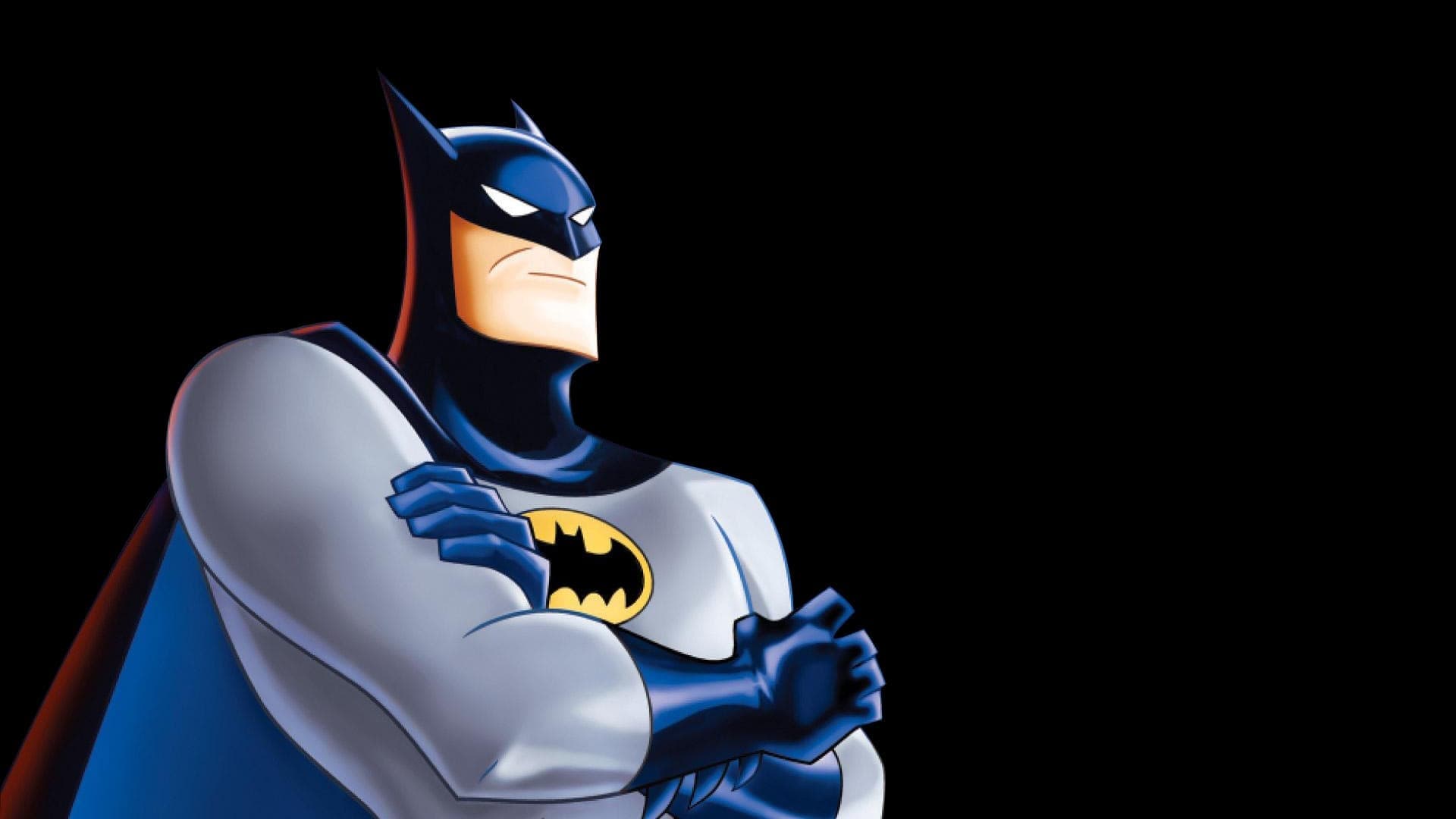
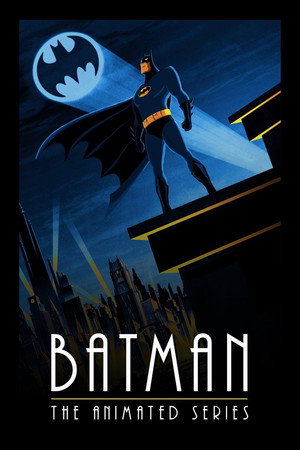


In the early 1990s, a rare gathering of talent defined Batman for a generation. Twenty-five years later, "Batman: The Animated Series" continues to inspire fans and myth-makers all over the world. This is an in-depth look at the storytellers behind the series.
The film's storylines read as allegories for the queer experience and that's a source of solace for LGBTQIA+ fans!
The story of the singer's career in her Sweetener World Tour is told in this featured documentary film.
This little Netflix film was very inspirational. It passes the Bechdel test, and features a different worldview with rural Indian representation.
Overall, Altered Carbon: Resleeved is pretty “meh.” It’s cool and all that it takes a different approach from the TV show to make it animated rather than live action, but it doesn’t help that the animation looks like something from a video game.
Jeff Aquino’s film “Viral” placed second in 2020’s Incluvie Film Festival fest, he’s back again with his film "An A Peel for Justice".
Overall, Cruella stands above the other Disney retellings. Its dark and bold, and that is exactly what these retellings should be. Emma Stone continues to prove she's one of the finest young actresses working today, and Emma Thompson gives one of the best villain performances in the last decade. The fashion is stunning, the dogs are adorable, and the story is wildly vibrant and original. It's classic movie fun, and it shouldn't be overlooked.