


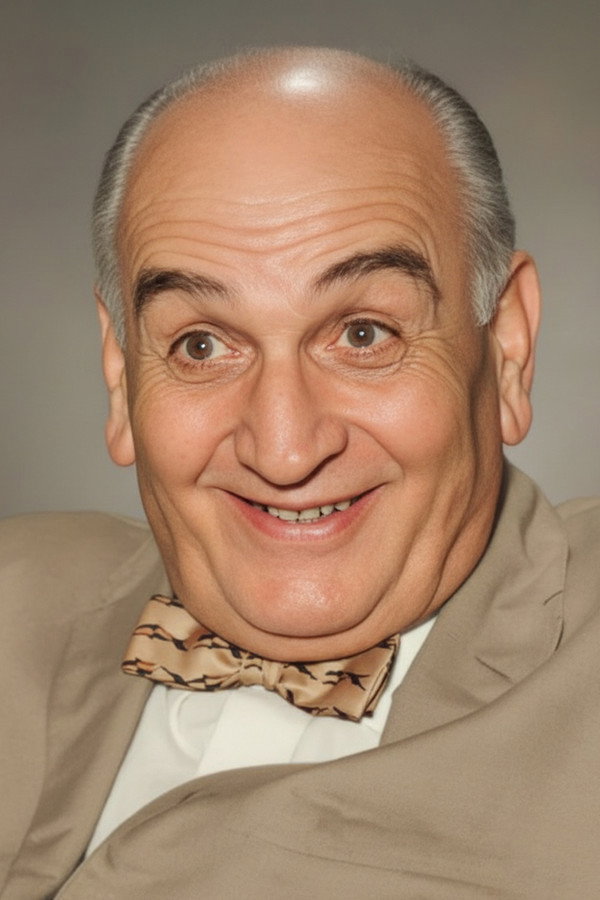

The 'Bigfoot Family' is Back in Town
The sequel following The Son of Bigfoot explores Adam's conflict of discovering his true identity as he tries to save a wildlife preserve.
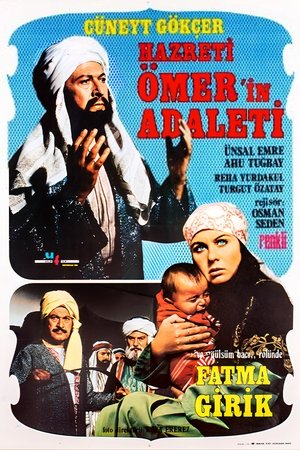


The film tells the story of Hz. Ömer, who strove to establish justice throughout his caliphate. During the years when Islam was spreading in Mecca, the pagan Quraish tribe still worshipped idols. The leader of the tribe, Abu Jahl, saw Islam as a threat to his own beliefs. Abu Jahl decides to have Muhammad killed in order to prevent the spread of Islam. He assigns Umar, the son of Hattab, to carry out this task. However, while Umar is preparing to kill Muhammad, he learns that his brother and brother-in-law have become Muslims. Upon reading the Quran, Umar also converts to Islam shortly thereafter. He begins to fight against Abu Jahl and the Quraysh tribe. After the death of the Prophet Muhammad, Umar, who became the caliph, will strive to establish justice in the country's administration.
The sequel following The Son of Bigfoot explores Adam's conflict of discovering his true identity as he tries to save a wildlife preserve.
In an all-black community in Louisiana, a young girl learns her father has committed infidelity and turns to hoodoo to seek justice.
The "Daredevil" renaissance is finally upon us! As we return to the Netflix show, let's take a look at the ways the show gets blindness right and wrong.
‘Killers of the Flower Moon’ is preoccupied with plot and not on the greater struggle of the Osage.
It only seems to prove that when the company had their backs against the wall and needed an all pleasing, generic movie that had to make up for The Last Jedi, they chose to sacrifice almost everything that made their main protagonist interesting and that made her stand out as the strong female character that a generation of young movie goers was supposed to look up to. Instead, we were left with a Rey that was so much less than she could have been. And I guess that’s the real story of Rey and The Rise of Skywalker; they could have been so much more, but they were just more of the same.
It’s been awhile since I’ve seen a film that is jarring within the first five minutes. Being at the edge of my seat from the very beginning made me feel both excited and frightened for what was to come, and it did not disappoint. Led strongly by Jennifer Lawrence as Grace, a woman trapped in the “American dream”, this film shows that society tells us what should make us happy. Many critics describe Die My Love as being about post-partem depression, but it is so much more. After moving to a secluded home with her husband Jackson, Grace finds herself in the throes of motherhood. Feeling isolated in her physical environment and her romantic relationship, Grace suffers psychologically. Lawrence brings a sense of rawness and humor to the screen that is often uncomfortable. Robert Pattinson adds to the discomfort as her loving, yet lost husband Jackson, who cares about his wife but does not know how to help her. Lynne Ramsay has presented a film that forces us to look at the realness of life, and what happens when the promise of what should make you whole fails.