What We Do in the Shadows (of Our Closet Walls)
There’s enough evidence to insinuate that What We Do in the Shadows is intentionally queer-coded.




A madman haunted by the ghost of his ex-wife carves a corpse-laden trail.

Mario Bava
Director


Stephen Forsyth
John Harrington

Dagmar Lassander
Helen Wood

Laura Betti
Mildred Harrington

Jesús Puente
Inspector Russell (as Jesus Puente)

Femi Benussi
Alice Norton
Antonia Mas
Louise
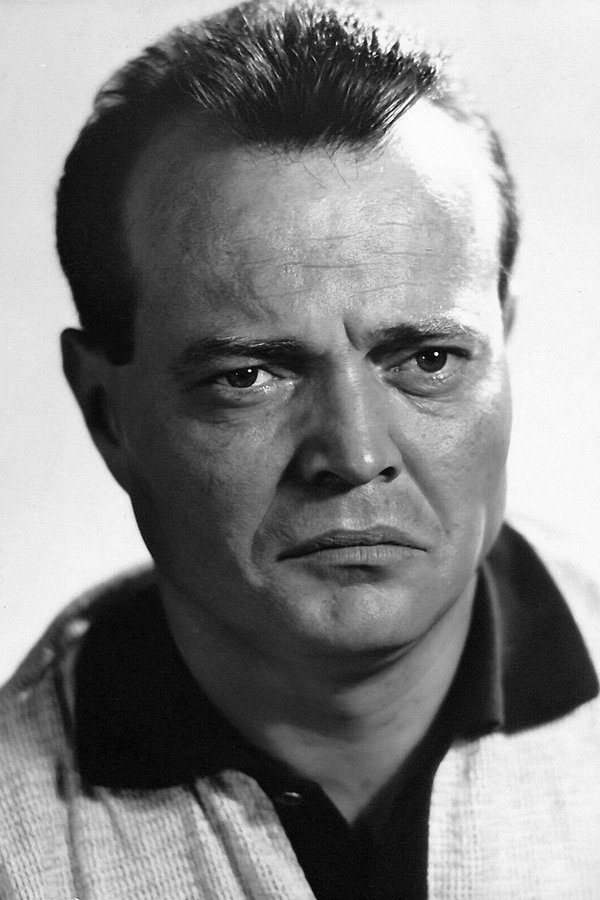
Luciano Pigozzi
Vences (as Alan Collin)

Gérard Tichy
Dr. Kalleway (as Gerard Tichy)

Verónica Llimerá
Betsy Wester (as Veronica Llimera)
Pasquale Fortunato
John Harrington as a Boy (as Fortunato Pascuale)

Ignasi Abadal
Jimmy Kane (as José Ignacio Abadaz)
There’s enough evidence to insinuate that What We Do in the Shadows is intentionally queer-coded.
Remakes. Reboots. Reinventions. Redundancy. It's the common practice in Hollywood of late, sometimes offering us victorious reimagining of what can be considered cinematic classics while also, more often, falling flat on their UN-imaginative faces in utter defeat and lackluster results. Admittedly, with this in mind, I went into the newest incarnation of "The War of the Roses" with typical trepidation and cautious optimism.
'Blonde' commits a relentless assault on the autonomy of Marilyn Monroe, reducing the icon to nothing more than a victim of the director's whims.
Slumber Party Massacre is a gory film with just enough commentary on sexist excuses, the validity of women's voices, and the inherent feminism of the slasher.
If Miguel Alexandre were trying to make a revenge story seem dull without using all the effective formulas that work great in this catchy genre, he could not have accomplished his purpose much better than he unintentionally has in Black Island.
Netflix's new thriller Apex, starring Charlize Theron, puts a twist on survival horror. Despite its setting in the beautiful- yet-dangerous Australian wilderness, Apex is not a movie about man vs. nature. Instead, it’s woman vs. man. While checking out the title card and its unpretentious Netflix release might lead viewers to believe Apex is just another celebrity project churned out of the streaming machine, Apex - whether by luck or by intention - is a consistently harrowing film about the reality of being a woman in a public space.