




'The Mitchells vs. The Machines': Creative Kids vs. Practical Parents
"The Mitchells vs. The Machines" captures the eternal struggle between kids who want to pursue the arts and their practical parents who think they'll fail.
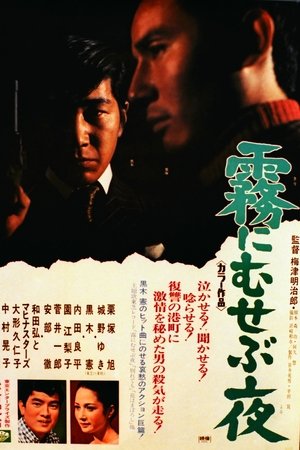


A hit-man returns to Japan after a long sojourne.
"The Mitchells vs. The Machines" captures the eternal struggle between kids who want to pursue the arts and their practical parents who think they'll fail.
Netflix’s recent Millie Bobby Brown vehicle, Enola Holmes 3, is a disappointing and confusing entry in the stellar Enola Holmes franchise. Directed by Philip Barantini, the film stars Brown as Enola Holmes, estranged sister of Sherlock Holmes, Henry Cavill as Sherlock Holmes, and Louis Partridge as her love interest, Viscount Tewkesbury. While it deserves credit for its exciting action scenes and attempts to expand the diversity of its Dickensian setting, the most recent entry in the series completely scuttles Enola’s underdog status from the first films that made her so charming and gave a touch of realism to the story of a young, unmarried woman living in London while self-employed as a detective.
An episode of "The Sopranos" articulates an identity crisis unique to the Italian-Americans and demonstrates how Indigenous communities are pushed aside in the ensuing debate.
The plot could’ve really been interesting if the elements of lycanthropy was integrated with perhaps the struggle of identity of being LGBTQ+. It's an experience for so many that as they’re starting to realizing their true selves, they feel like a monster, especially if they come from unsupportive homes or communities. Instead, the horror and transformation elements seem thrown in without contemplation of how this could deepen the narrative.
I think that the happiness and survival of "Wynonna Earp"’s LGBTQ+ characters is incredibly refreshing in contrast to the prevalence of queer suffering and death in other television.
White audiences saw Peola’s mixed-race passing as a Black woman’s struggle to be white. Black audiences saw it as the rebellion of a Black woman trying to gain privileges only given to white people.