'The Bear' Season 2 is a Recipe for Success
‘The Bear’ Season 2 has all the right ingredients for both comedy and drama.




There are 25 million victims of human trafficking worldwide. After drug smuggling and arms trafficking, it is the third largest source of income for organized crime. Vietnamese children and young people have also been disappearing in Germany for years. Behind this are unscrupulous human traffickers. Their networks stretch across continents. The young Vietnamese are smuggled into Germany via Russia, the Baltic States and Eastern Europe, but are also transported on to United Kingdom, for example. Quite a few die this way in hermetically sealed vans and trucks. Many end up in illegality as work slaves for the Vietnamese mafia, be it in nail studios or as workers for illegal indoor drug plantations. The documentary tries to fathom this network and questions the hesitant action of the German Federal Criminal Police Office.

Adrian Bartocha, Jan Wiese
Director
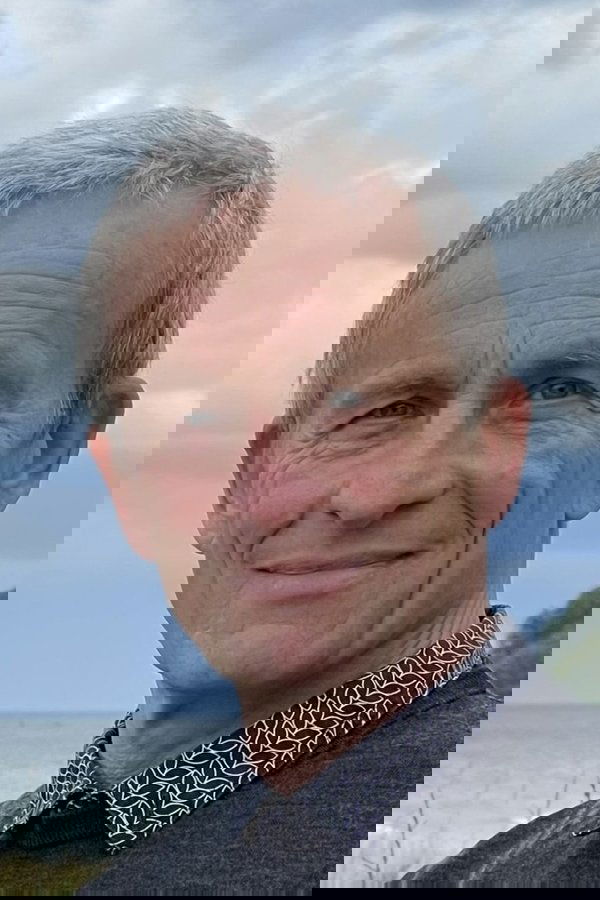
Gregor Höppner
Self - Narrator (voice)
Debbie Beadle
Self - Interviewee
Michael Bender
Self - Interviewee
Dorothea Czarnecki
Self - Interviewee
Kevin Hyland
Self - Interviewee
Huub Jaspers
Self - Interviewee
Sebastian Laudan
Self - Interviewee
Markus Pfau
Self - Interviewee
Joachim Renzikowski
Self - Interviewee
Robert Richardson
Self - Interviewee
Sanne Terlingen
Self - Interviewee
‘The Bear’ Season 2 has all the right ingredients for both comedy and drama.
For the entirety of Raiders of the Lost Ark, Marion remains in full control of both her body and her personality, a rarity for female characters at the time of the film’s release. She’s granted depth with personal demons from her past and emotional vulnerability when the situation deems it appropriate for her to grow alongside Indy. She avidly rejects the notion of being anything other than a sassy, humane rebel, and Indy’s equal in every way. This she does while still maintaining her femininity.
It took writers D.B Weiss and David Benioff two years to give us a promising final season. Two. Years. It was just going to be six episodes, which was short considering that all the other seasons — except season 7 — were 10 episodes. 10. 6 wasn’t enough, and even HBO wanted to give the writers more episodes. More seasons, even. However, the writers wanted to get out of the show as quickly as possible to work on other projects. This abruptness is clearly shown in this season.
When the world lost Chadwick Boseman on August 28, 2020, we all saw the impact of representation in film. Boseman was not only a Black superhero leading a Black cast in one of the most successful films in history; but his successes paved the way for more, long-overdue diversity in Hollywood.
Dead Poets Society relies on patriarchal tropes such as overbearing fathers, contrived brotherhood, and faux-individuality in order to portray its straight white male characters as oppressed.