Short Film: 'The Other Side' Examines Poverty in Mumbai—“People like you don’t belong here”
In this short film, writer/director Nikita Hattangady focuses on Jai, a starving artist rooted in the latter category. Though unhoused, he works hard.




Oliver Beresford is a stern, Puritanical, and uncompromisingly rigid father. When shameful stories about his daughter Judith surface, rather than determine whether the stories are true, he bans her from his house. Her brother David, a pusillanimous reprobate, has secretly married and fathered, then abandoned, a child. Judith takes care of the child and finds a way to restore her family through the love for the babe.

John Griffith Wray
Director
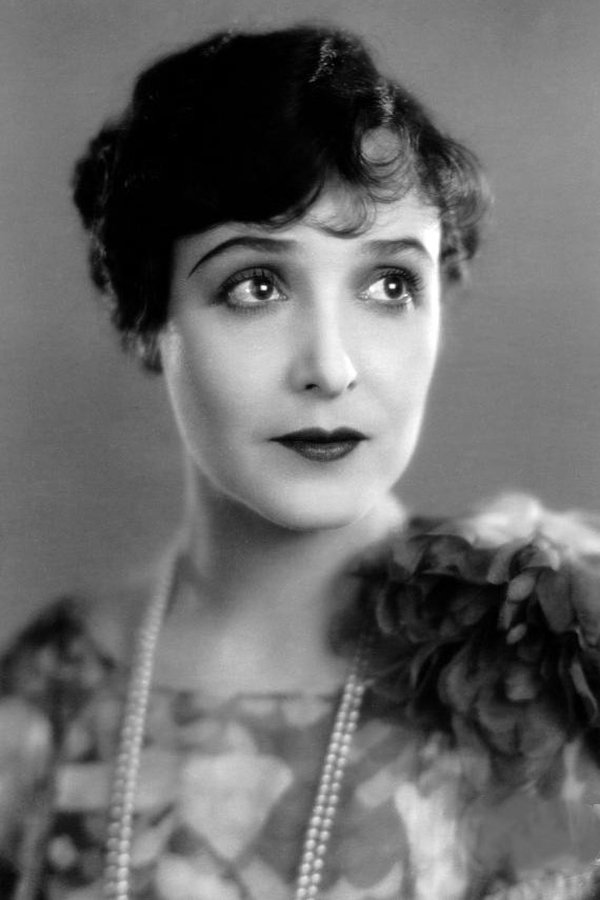
Florence Vidor
Judith Beresford

Lloyd Hughes
David Beresford

Theodore Roberts
Oliver Beresford

Gertrude Claire
Mrs. Beresford

Madge Bellamy
Nan Higgins

Tully Marshall
'Odd Jobs Man'

Vernon Dent
Joe Hurd

Edward Martindel
Wyndham Gray

Charles Meredith
Richard Stuart

Mathilde Brundage
Mrs. Stuart
Eugene Hoffman
The Baby
In this short film, writer/director Nikita Hattangady focuses on Jai, a starving artist rooted in the latter category. Though unhoused, he works hard.
Disney's newest Latine animated musical, 'Encanto', features a super colorful cast, fun music, and a surprising conflict about intergenerational trauma.
Overall, Sand Castle was another lack luster war drama that will eventually fade into the many similar war dramas I have seen throughout my life.
The plot could’ve really been interesting if the elements of lycanthropy was integrated with perhaps the struggle of identity of being LGBTQ+. It's an experience for so many that as they’re starting to realizing their true selves, they feel like a monster, especially if they come from unsupportive homes or communities. Instead, the horror and transformation elements seem thrown in without contemplation of how this could deepen the narrative.
With The Father, writer-director Florian Zeller- who wrote and developed the play upon which the film is based- pulls no punches as he confidently makes every effort to put the audience in the mind of someone whose grip on reality has all but vanished. It’s a dazzling testament to Zeller’s abilities as a director as he makes his first transition from stage to film appear as if he’s been working behind a camera his entire career. The dialogue he fashions with co-writer Christopher Hampton, along with the work of production designers Peter Francis and Cathy Featherstone, collectively makes the downward spiral of dementia startlingly tangible, doing so in a way that can be comprehended by everyone except the person it directly affects.
'Kajillionaire' is a touching and eccentric story about family, crime, and the search for belonging.