


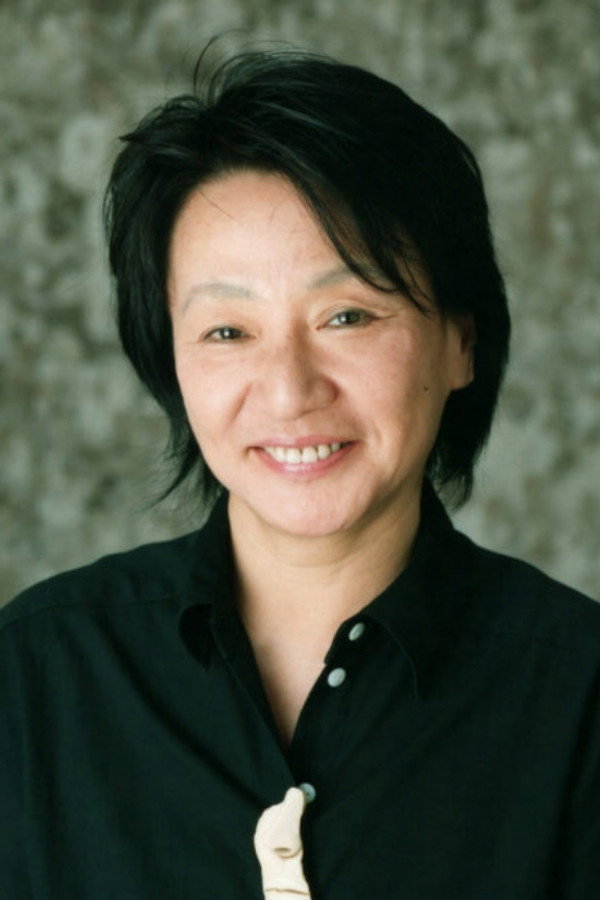

The second part of a trilogy, Great Mother (YUMIKO) is a domestic melodrama that examines the cultural and familial role of Japanese women by tracing the psychology of a turbulent mother-daughter relationship. Yumiko, a rebellious young woman from an affluent family, encounters resistance from her mother, a successful career woman, when she becomes pregnant and marries. The mother is an icy, assured presence, seen only on a television screen as a superego who monitors Yumiko's behavior. The television becomes a powerful metaphorical device, underlining the disunity of the familial structure and acting as a psychological presence. As Yumiko's marriage deteriorates, her pain is juxtaposed with the banal rituals of her mother's life (instructing her subordinates at work, scrubbing the floor at home), an irony ultimately heightened by the viewer's awareness of the reflexivity of this drama-within-a-drama.
For one widowed father and his five kids, an extraordinary gift will change their lives forever.
In season 2 of “Never Have I Ever," Devi make many mistakes in a messier season that explores the complex lives of its diverse cast more in-depth than before.
Korean culture shines in this Canadian export.
Darren Aronofsky’s Caught Stealing is a gritty, darkly funny thrill ride through 1998 New York, with Austin Butler delivering a raw, magnetic turn as Hank Thompson—a washed-up ex-ballplayer turned bartender whose life implodes after cat-sitting for his punk neighbor drags him into a violent underworld of gangsters, crooked cops, and chaos. Brutal yet unexpectedly hilarious, the film blends noir grit with midnight-movie absurdity, proving Aronofsky can reinvent himself while Butler cements his status as a true movie star.