



Once Upon a Time in (White) Hollywood
Tarantino's alternative history of the 1960's uncritically repeats the era's sexist and racist stereotypes.
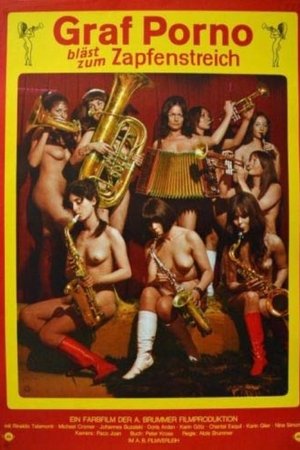


Willibald, a lovable good-for-nothing whose hobby is cross-dressing, is housed in the apartment of five pretty girls who provide him with board and lodging under the comforter in return for his zeal. But when one night they catch him in flagrante delicto with a new conquest, he is kicked out of the apartment after a thorough thrashing.
Tarantino's alternative history of the 1960's uncritically repeats the era's sexist and racist stereotypes.
The Djinn is about childhood traumas and lifestyle changes. It tells the story of Dylan (Ezra Dewey), a mute boy who blames himself for his mom’s death. He also condemns himself for being speech-impaired, and he thinks that if he did not have that condition, everything could had been different.
‘Candyman’ (2021) builds upon the original 1992 film by presenting the myth of Candyman not only as an example of black pain, but as an opportunity for black vengeance.
Liar, Liar, Vampire takes a bite out of clichés in romances between vampires and teenagers. Anything but boring and dripping with fun, it's a Halloween story with a twist.
“The most disrespected person in America is the Black Woman/the most unprotected person in America is the Black Woman,” Director Spivey Jr quotes. The quotes are absolutely true. Misogynoir is a devastating social ill that is not given the weight it is due.
"La Noria" deftly subverts audience expectations as it explores childhood grief, anxieties, and pain. The award-winning short shows us that often our monsters are often sprung from our darkest places.