








"A man has got to see his face." Horror Noire: A History of Black Horror
This documentary moves chronologically through Black representation in horror films, revealing the genre's connections to Black history.
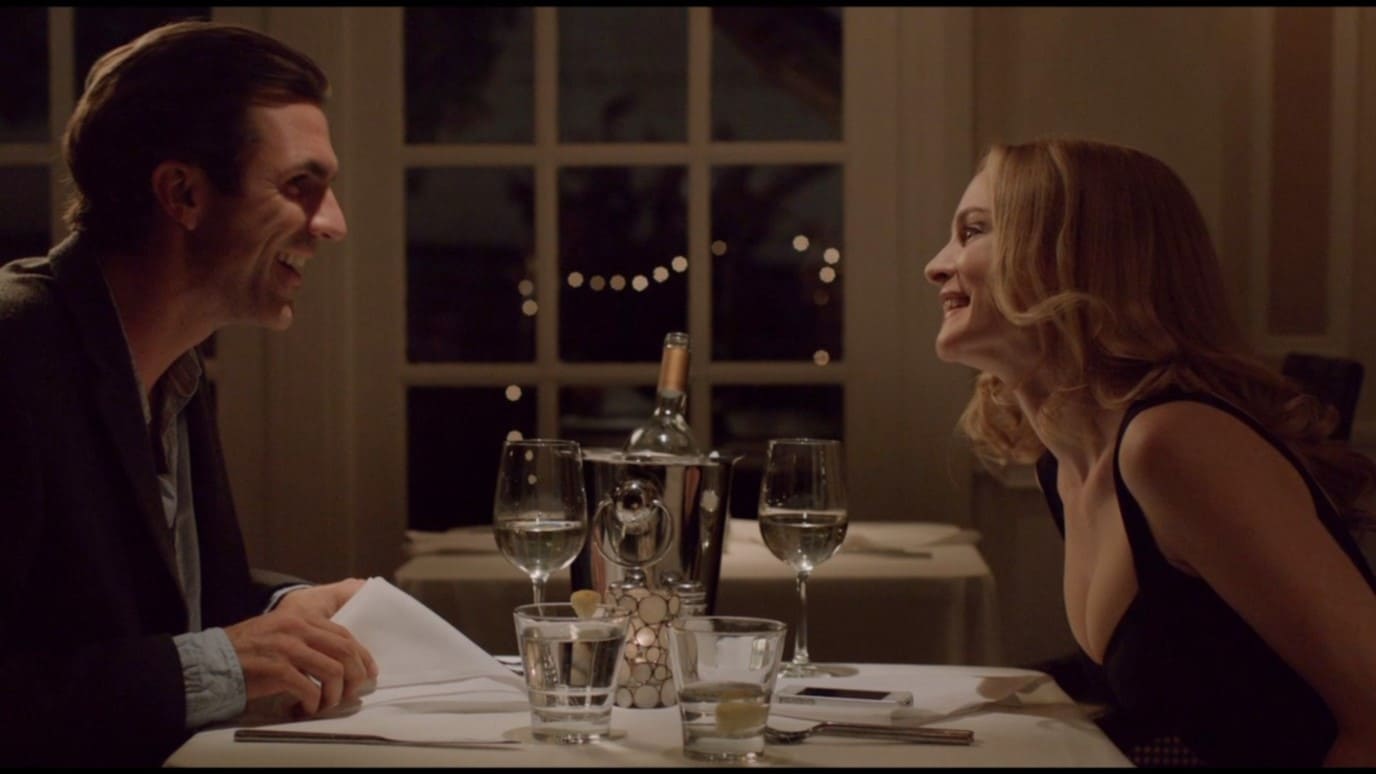
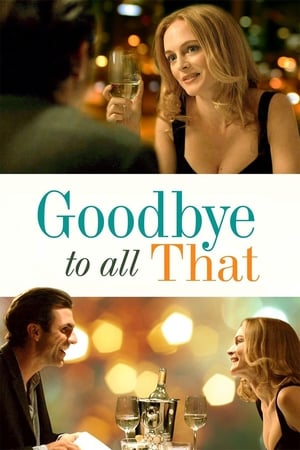


Otto Wall is just a little unlucky in life, and unbeknownst to him, in love. When his wife suddenly asks for a divorce, he bounces between a search for answers, desperate attempts to stay connected to his daughter, and his fateful reentry into the dating pool.
This documentary moves chronologically through Black representation in horror films, revealing the genre's connections to Black history.
Sinister and suffocating, 2022's The Black Phone delivered more than just scares - it brought atmosphere, depth, and a villain audiences won't soon forget.
Throughout Brendan Fraser’s career, he has played a plethora of unique, layered characters who explore the importance of not being afraid to display your emotions, something that is often seen to not be a masculine trait. This idea of regulating emotion and what traits men are able to possess creates a toxic atmosphere for men who are often told they should not cry or represent their emotions in any physical way. These characters represent that men can be joyful, emotionally conscious, and sensitive, while also representing their masculine identity instead of painting those qualities as fighting against their masculinity.
'Legally Blonde' remains a standard of feminist filmmaking over two decades after its release, although its poor treatment of racial and sexual minorities make it a product of its time.
The film basically says she was a lost cause from the start. We don't get a sense of who Marilyn was.
The film illustrates the life of a single who struggles to provide an ideal childhood for her two daughters.