




'Phantom Pups' - A Series for Dog Lovers
This Netflix original series is for animal lovers and fans of light horror series.
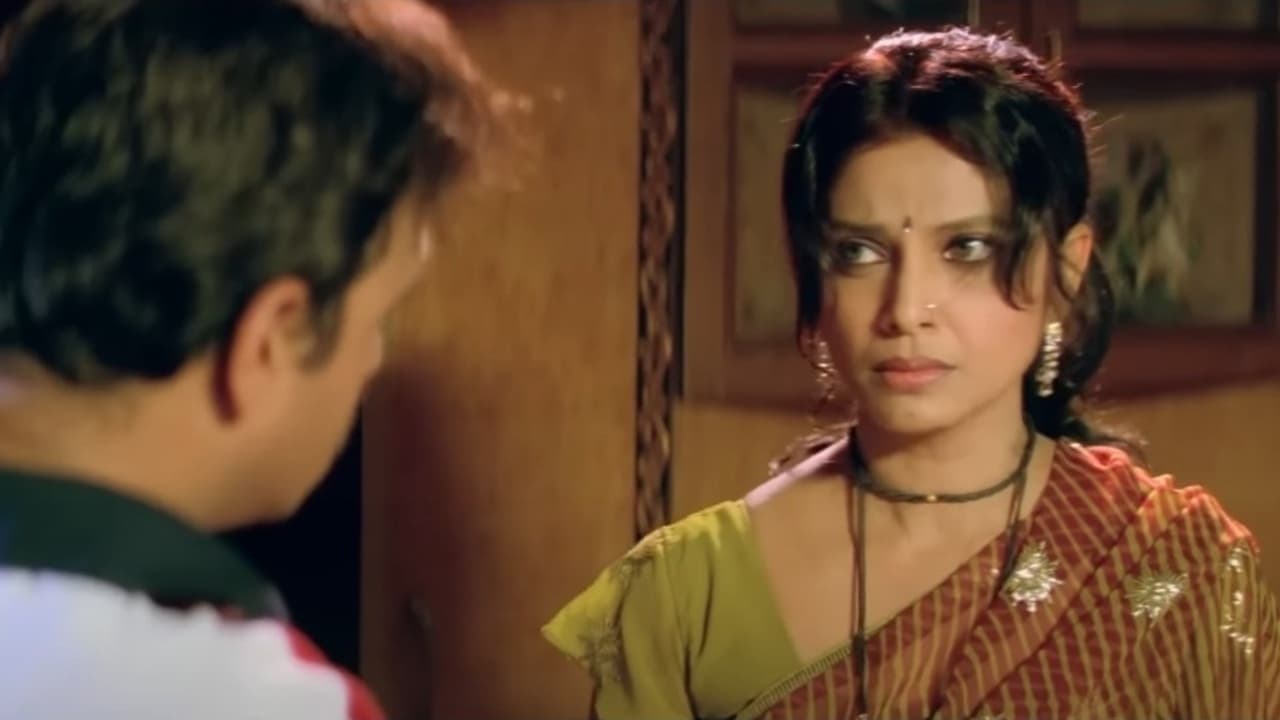



The story revolves around a young couple Raghu and Hausa, who are responsible for getting terrorist Masood Khan arrested by the Mumbai police. When Masood Khan escapes from the jail, he kidnaps a few people and also seeks revenge of Raghu and Hausa. Will Masood succeed in his plans?
This Netflix original series is for animal lovers and fans of light horror series.
On top of the phenomenal acting, and great dialogue between the two characters, the cinematography was ravishing! The sound was outstanding! The production design was simple, yet intrinsic. The minimalistic approach in the Malibu beach house represented how little they really have going on in their relationship. The storyline may have been much simpler than "Who's Afraid of Virginia Wolf," but all the more insightful, and much more animalistic at its core.
"Marriage Story" is a narrow-minded and heavy-handed attempt to examine the complexity of human relationships.
'A Wrinkle In Time' combines fantasy and science fiction to bring the classic story to life.
Magnolia focuses on how one’s childhood and trauma relate to their confidence and self.
Laggies is a fantastic movie, filled with down-to-earth characters, transcendent themes, and witty comedy