







Living People in "It Was Just an Accident"
It doesn’t offer an absolute answer for the dialectical ethical questions that emerged in search of justice but portrays the characters as living people beyond the identities of victims.
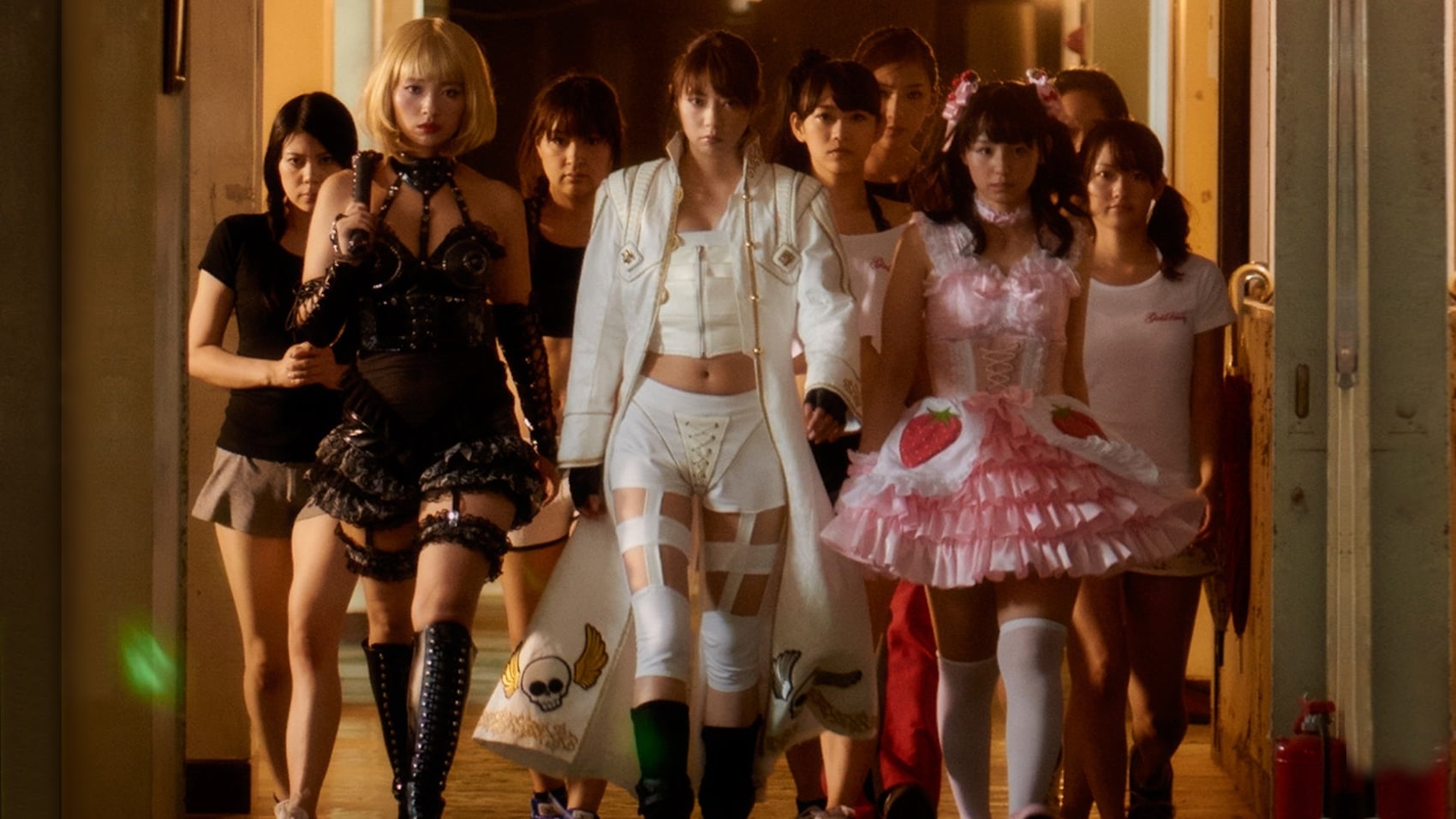
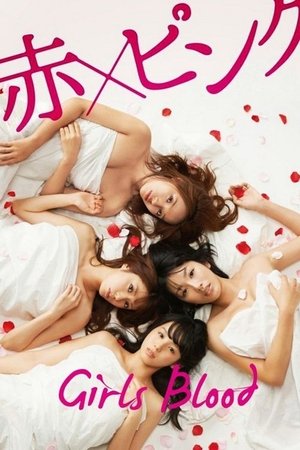


Four girls take part in illegal underground fighting event "Girl's Blood" held at an abandoned school building in Roppongi every night. The girls have their own stories and quirks from their private lives. Satsuki (Yuria Haga) suffers from a gender identity disorder, Chinatsu (Asami Tada) ran away from an abusive husband, Miko (Ayame Misaki) is a S&M queen and Mayu (Rina Koike) has a Lolita face.
It doesn’t offer an absolute answer for the dialectical ethical questions that emerged in search of justice but portrays the characters as living people beyond the identities of victims.
An indie production of a romantic drama with a country-western feel meant to explore lost love.
Documented human suffering is never easy to view or read about and is understandably triggering for many people, but it can be educational, and education is a key to change. An overwhelming amount queer people worldwide (and in my own country) have it far worse than I could imagine, and documentaries such as Welcome to Chechnya bring issues to light that certain groups of people would never see.
Two movies that do a fantastic job in conveying the ongoing struggle for racial justice are Selma (2014) and Just Mercy (2019).
The "Daredevil" renaissance is finally upon us! As we return to the Netflix show, let's take a look at the ways the show gets blindness right and wrong.
Madres takes place in the 70’s following a Hispanic married couple who move to a migrant farming community. Diana, who is pregnant, starts to become suspicious of their new environment after she and the women around her develop strange symptoms. Could it be a curse, a sickness, or something else?