


Dead Poets Society Steals a Queer Story
Dead Poets Society relies on patriarchal tropes such as overbearing fathers, contrived brotherhood, and faux-individuality in order to portray its straight white male characters as oppressed.
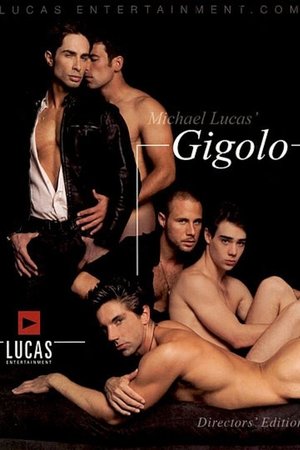


The dark, underground world of a New York City gigolo is as cutthroat as it is kinky. Hustlers hit the streets hunting for their next john. Pimps demand their cuts. Loyalties are lost at the wayside. After the tragic death of his lover, ex-hustler Louis McMann (Michael Lucas) is thrust back into that sordid world in order to survive and gets caught in a web of deceit and lies. Sometimes life can become unbearable. Will Louis get his ultimate revenge?
Dead Poets Society relies on patriarchal tropes such as overbearing fathers, contrived brotherhood, and faux-individuality in order to portray its straight white male characters as oppressed.
What are we willing to walk through to see our dreams come to pass? Our minds might be so wholly alive with the passions we carry and the plans we make to see these things become all we wish them to be, yet life doesn’t always want to come alongside. Instead, obstacles arise, both physical and mental, which attempt to dissuade us or even prevent us from moving forward, stalling or stagnating the momentum to achieve what we desire. The age-old question remains….can we overcome? Or will we BE overcome?
Sing 2 the beat in this jukebox sequel featuring anthropomorphic animals with musical talent.
The Lighthouse is patient and hypnotic, pulling us in with its mysterious atmosphere and characters. The film’s slow pace proves to be monumentally effective, showcasing the tedious nature that comes with isolation and poor two-way communication.
The film seems like an extreme interpretation of the conspiracy theorists that exist in real life. And then, there’s the twist.
The film exhibits a respect for the craft and an empathy for human tribulations that have historically been ignored.