







Incluvie – Better diversity in movies.
Identity in film with Incluvie stamps, scores, reviews.

Incluvie – Better diversity in movies.
Explore identity in film with Incluvie stamps, scores, reviews, and insights.

trailer banner
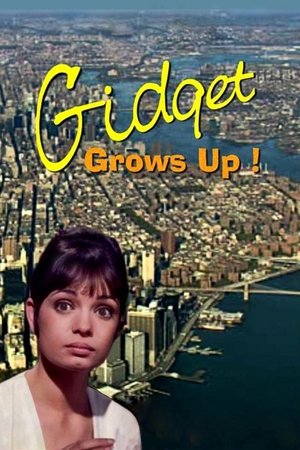
Gidget Grows Up poster

Gidget Grows Up (1969)

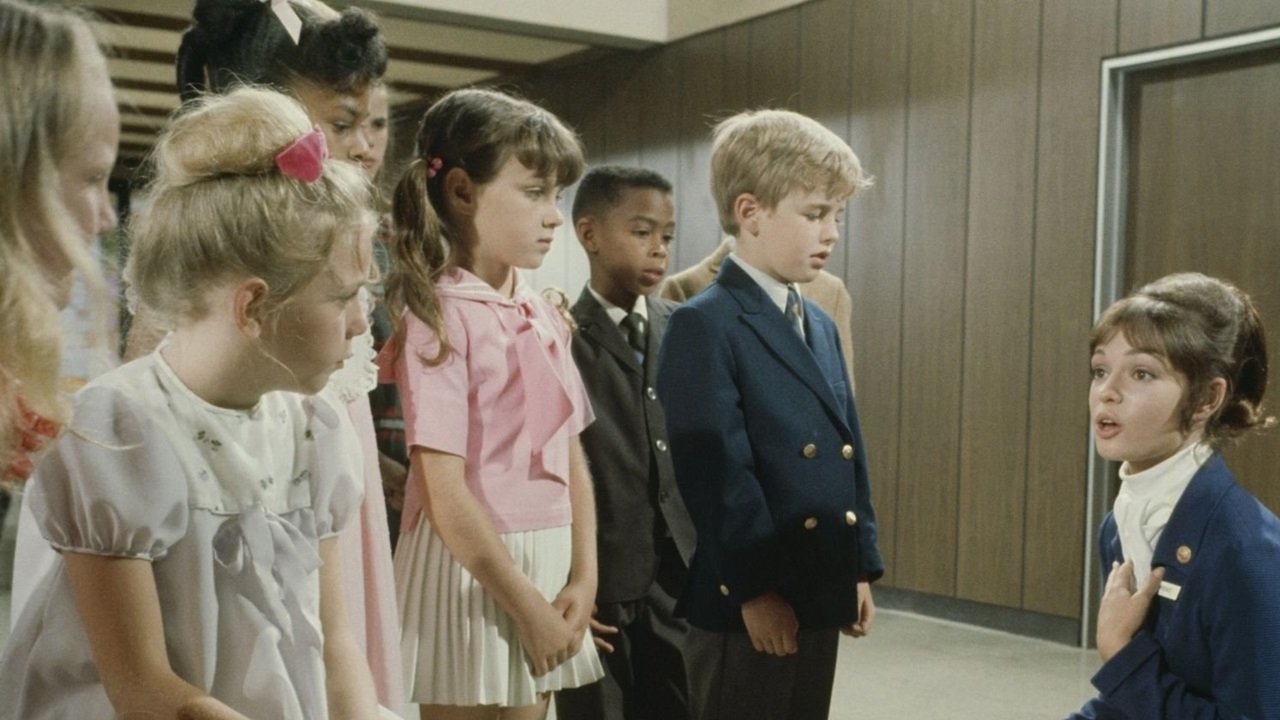
After spending the last two years in Europe as an exchange student, Gidget returns home to California only to discover that things have changed. The letters she had been writing to her beloved "Moondoggie" to try to make him jealous have had the wrong effect. Disillusioned with love, and after hearing a speech on television, she decides to make a real difference in the world by going to New York to become a youth worker at the United Nations. While there she has a proposal of marriage from an extremely wealthy Arabian sheik, but instead she falls for a handsome but older Australian diplomat.
- / 5
PopScore
Representation

Pictures and Videos


Incluvie Gala

Movie Information


After spending the last two years in Europe as an exchange student, Gidget returns home to California only to discover that things have changed. The letters she had been writing to her beloved "Moondoggie" to try to make him jealous have had the wrong effect. Disillusioned with love, and after hearing a speech on television, she decides to make a real difference in the world by going to New York to become a youth worker at the United Nations. While there she has a proposal of marriage from an extremely wealthy Arabian sheik, but instead she falls for a handsome but older Australian diplomat.

Rating:
Genre:Comedy, TV Movie
Directed By:James Sheldon
Written By:John McGreevey
In Theaters:12/30/1969
Box Office:

Runtime:75 minutes
Studio:Columbia Pictures Television, ABC, Screen Gems Television

Articles You May Like


'Jack and Diane' Review: Wasted Potential

The plot could’ve really been interesting if the elements of lycanthropy was integrated with perhaps the struggle of identity of being LGBTQ+. It's an experience for so many that as they’re starting to realizing their true selves, they feel like a monster, especially if they come from unsupportive homes or communities. Instead, the horror and transformation elements seem thrown in without contemplation of how this could deepen the narrative.

Andrea Amoroso