“Buddy” and Analogue Horror
Upon first watch, Buddy feels like it should have been aired on Adult Swim at four in the morning.
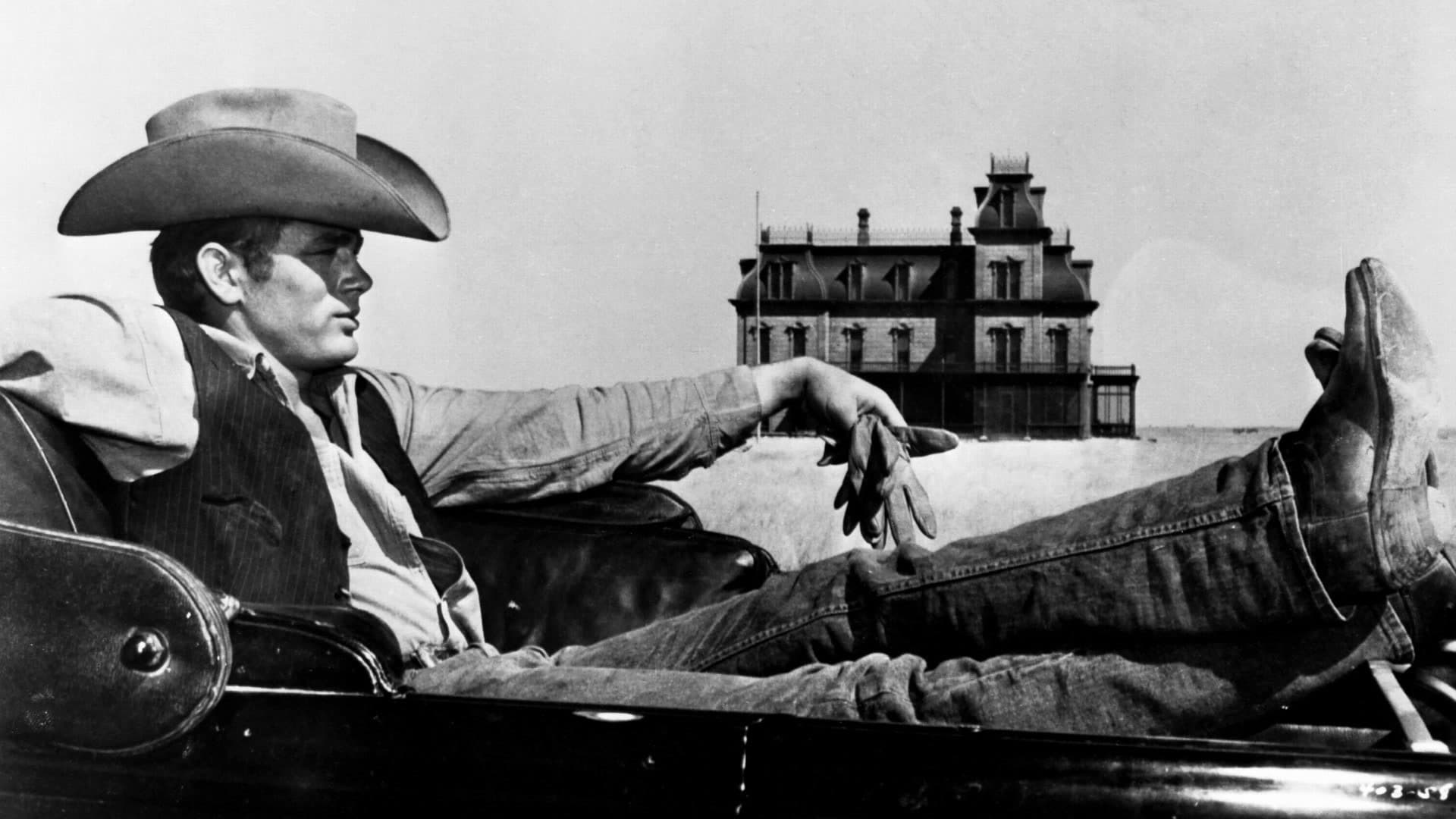
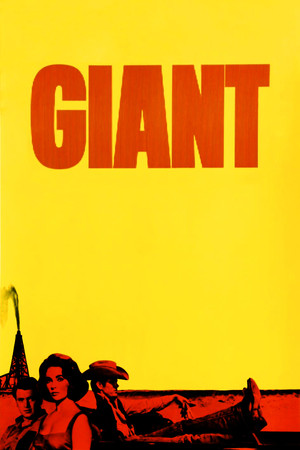


Wealthy rancher Bick Benedict and dirt-poor cowboy Jett Rink both woo Leslie Lynnton, a beautiful young woman from Maryland who is new to Texas. She marries Benedict, but she is shocked by the racial bigotry of the White Texans against the local people of Mexican descent. Rink discovers oil on a small plot of land, and while he uses his vast, new wealth to buy all the land surrounding the Benedict ranch, the Benedict's disagreement over prejudice fuels conflict that runs across generations.
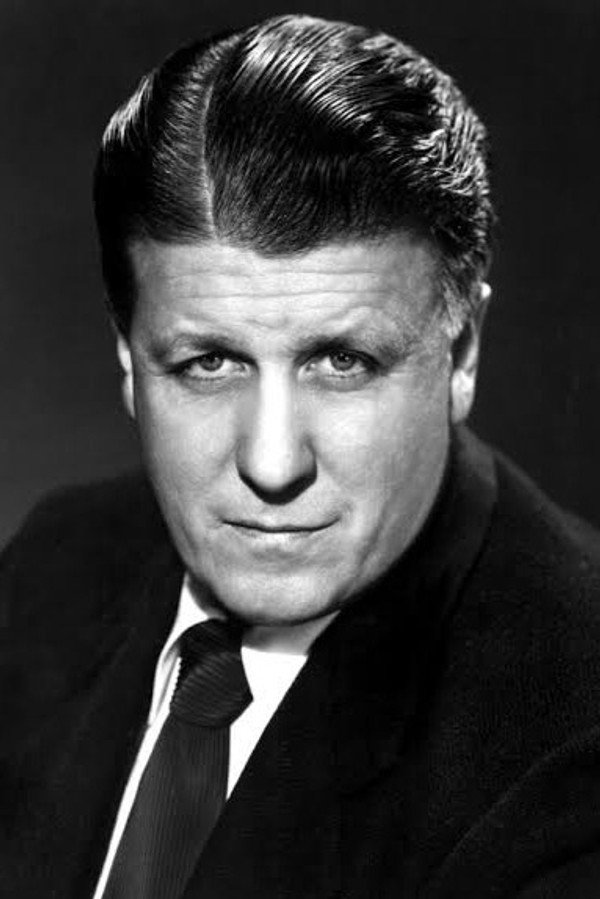
George Stevens
Director

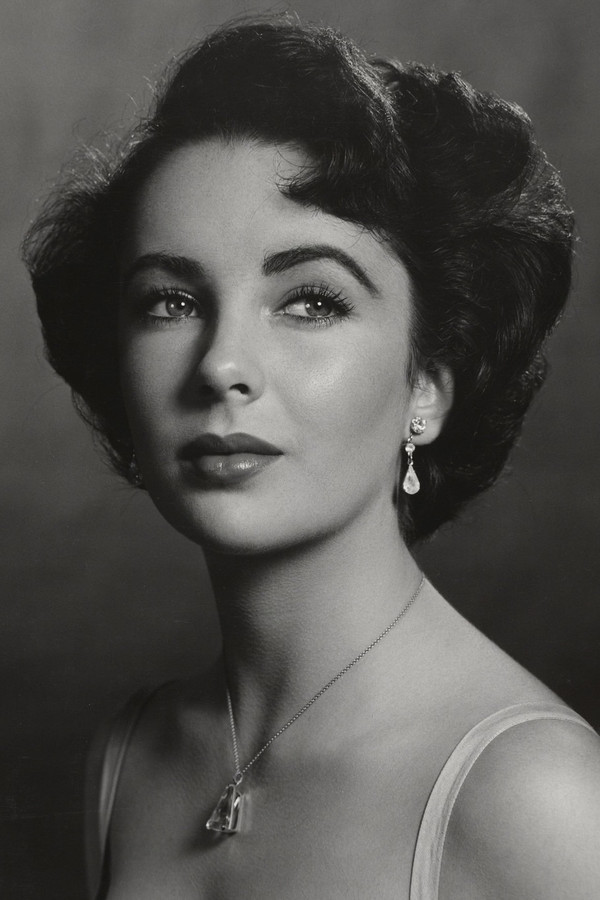
Elizabeth Taylor
Leslie Lynnton Benedict
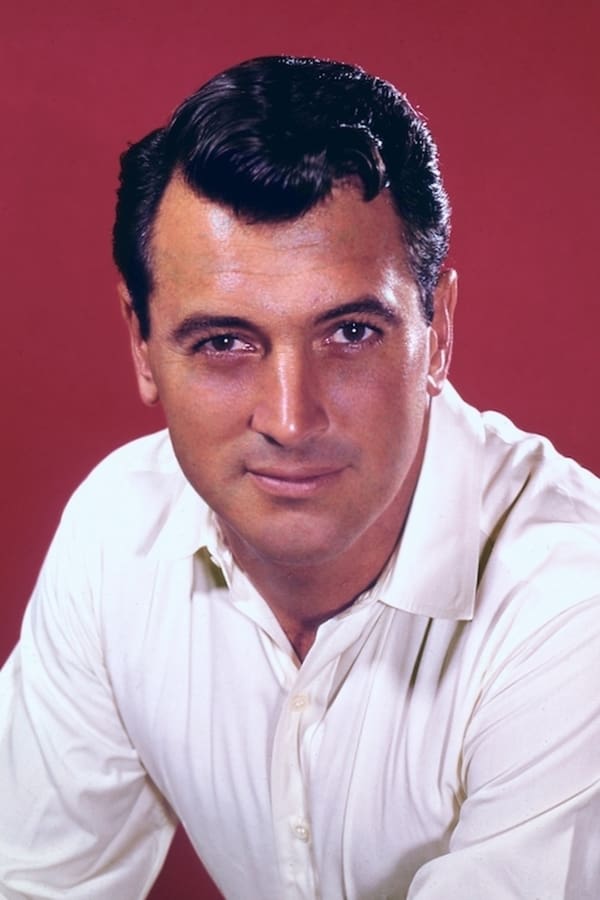
Rock Hudson
Jordan 'Bick' Benedict

James Dean
Jett Rink
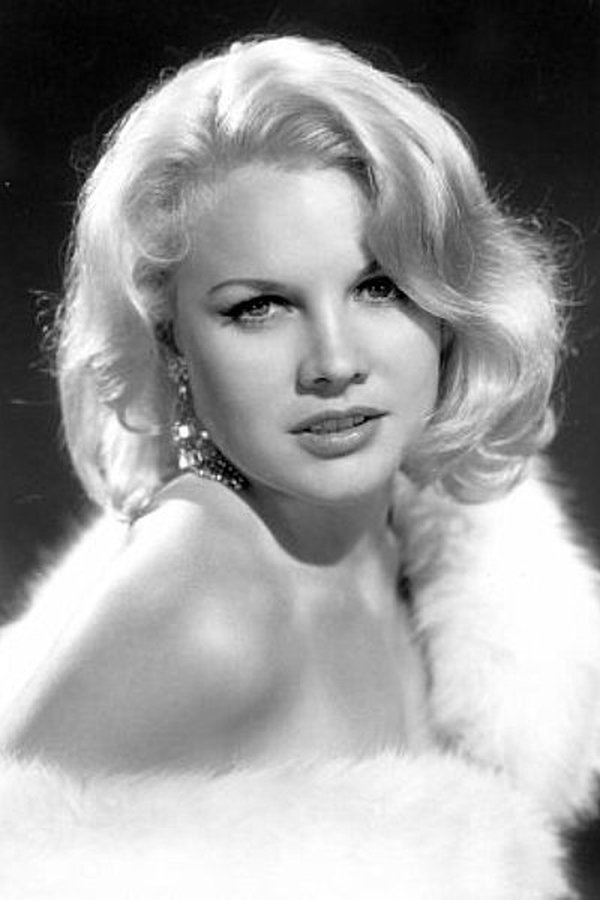
Carroll Baker
Luz Benedict II
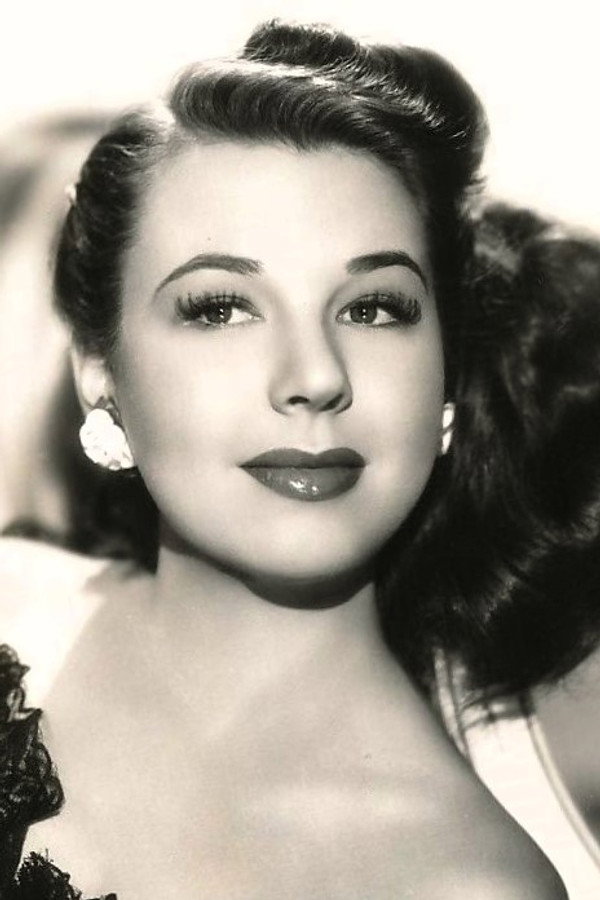
Jane Withers
Vashti Synthe

Chill Wills
Uncle Bawley
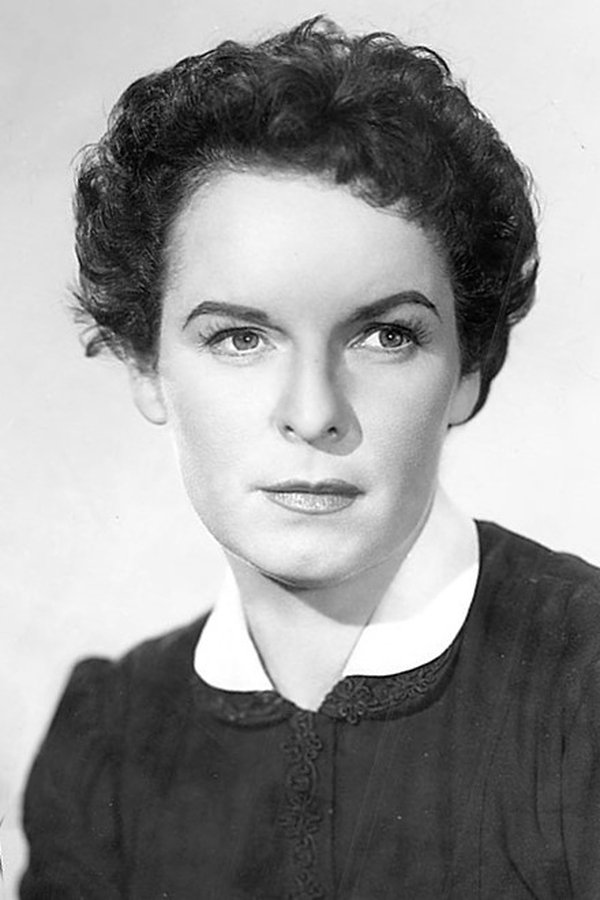
Mercedes McCambridge
Luz Benedict
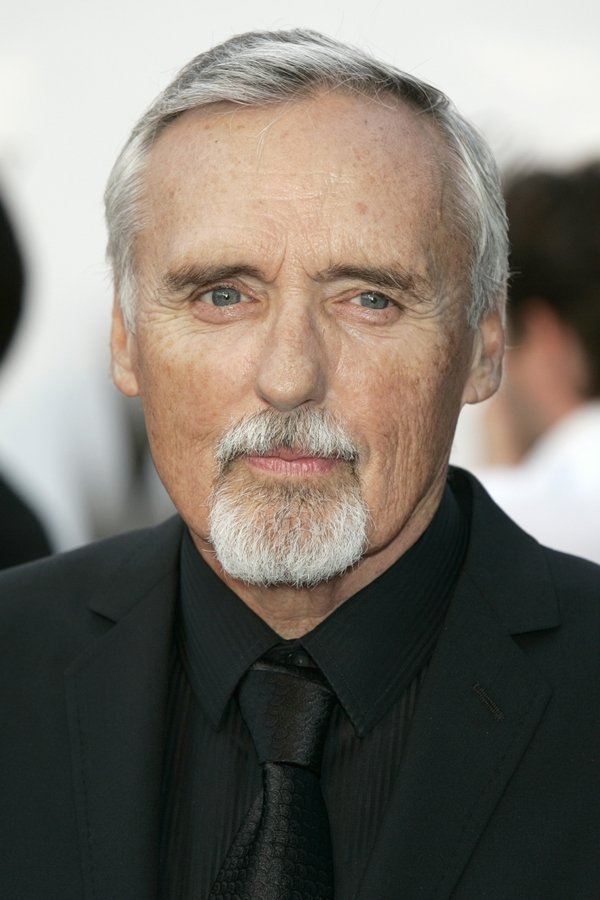
Dennis Hopper
Jordy Benedict

Sal Mineo
Angel Obregón II
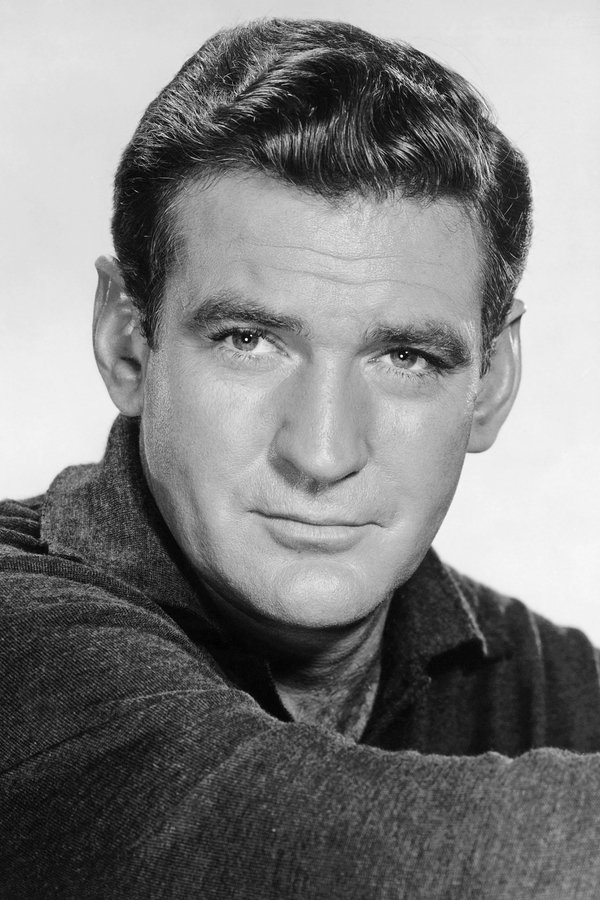
Rod Taylor
David Karfrey
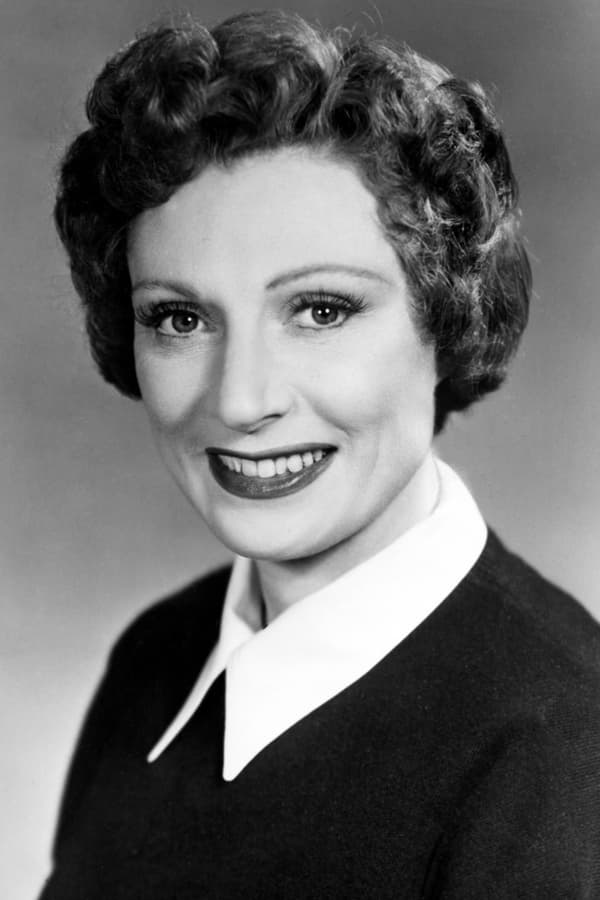
Judith Evelyn
Nancy Lynnton
Upon first watch, Buddy feels like it should have been aired on Adult Swim at four in the morning.
When you first hear that there is a series on Netflix where the lead character’s wife dies from cancer and he becomes dangerously suicidal, you wouldn’t immediately assume that it’s a comedy.
The assassins in Bullet Train are quirky, deadly, and diverse. Yet, they all seem to be some type of caricature. While the movie is fun and action-packed, it’s also packed with stereotypes that don’t make for the best representation.
So do I recommend that people see this movie, yes 100%, but do I think they are going to come out of it with 80 hot takes, yes 100%.
Eternals is an interesting concept and unique visuals, but slow pacing and rushed character development suggests it should have been a mini-series.
Some moments of the series are intense and ends on a cliff-hanger that will have you yearning for a second season.