





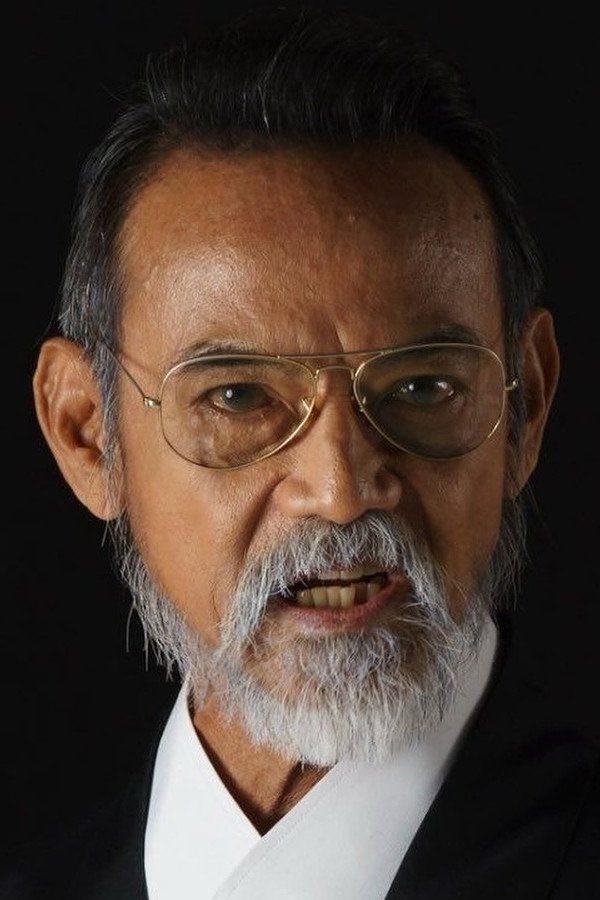

Joanelle Romero Discusses Native Indigenous Representation
I have talked with founder of Red Nation Television Network, Joanelle Romero, and the future of Indigenous representation looks bright.
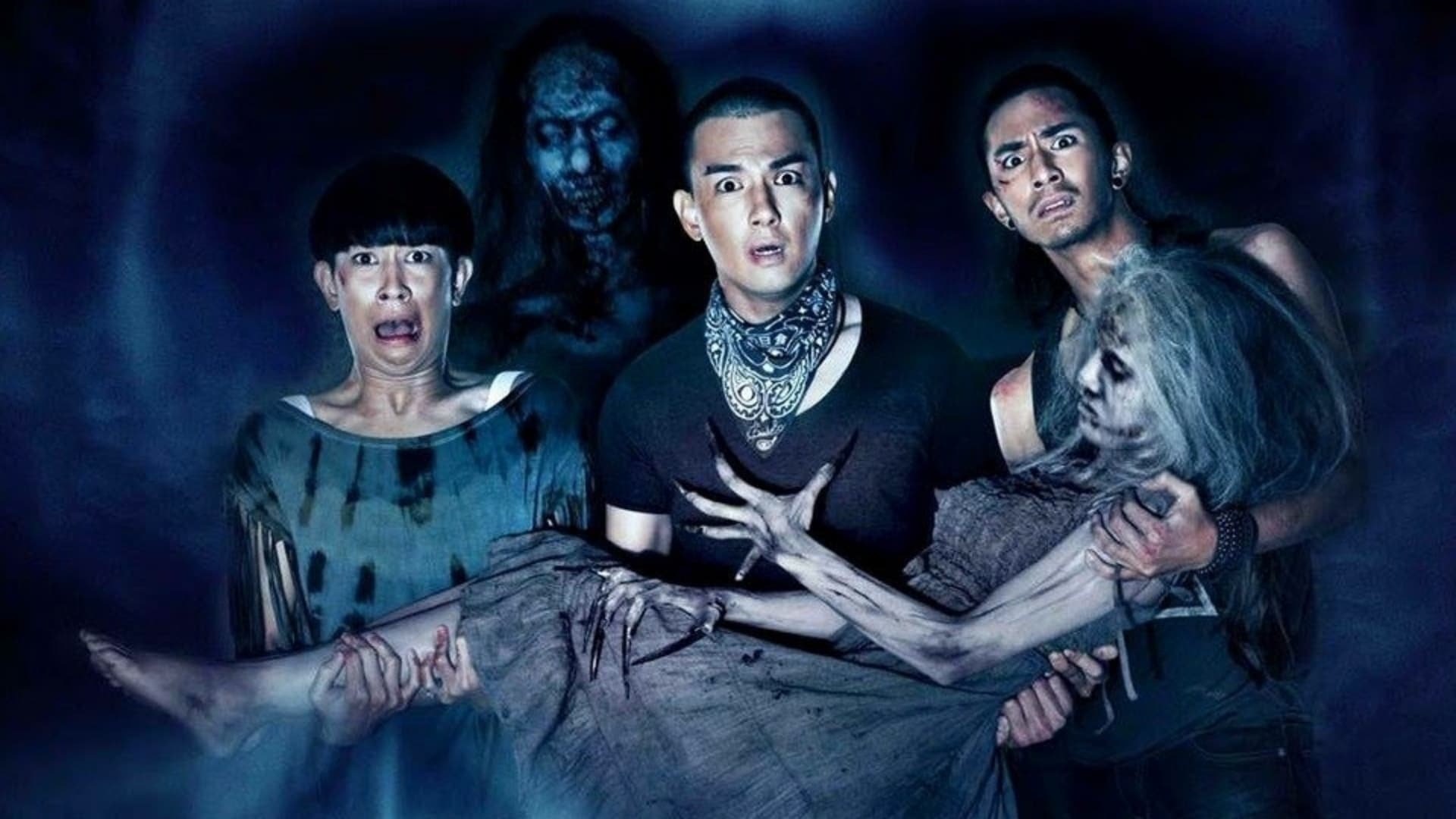



At a dark pier in the middle of the night, a boat captain and his mate, Nong, are readying their vessel for the next trip. But what they discover is a shocking: the lifeless body of Mia, the wife of the boat’s owner, is hanged from a mast in a gruesome fashion. The corpse also sets off panic among other sailors. The captain orders everyone to calm down. He decides that he has to get rid of the body, and comes up with a plan to throw Mia’s body in the middle of the sea. But it’s not that simple. Once the ship sets sail, the body hidden in the engine room disappears. Mia’s spirit is set loose and wreaking havoc on the boat in the middle of the sea. The ghost terrorizes the sailors, who can’t escape anywhere except into the water that surrounds them. Things get worse when a storm hits. The only way to save the boat and everyone on it is to locate Mia’s body. But there’s more serious question that no one remembers to ask: Who murdered Mia?
I have talked with founder of Red Nation Television Network, Joanelle Romero, and the future of Indigenous representation looks bright.
Praising Black representation and condemning the power structures that suppress it, a mother delivers an impassioned speech to her distant son.
Based on the bestselling memoir, viewers get a glimpse of the challenges of autistic people.
Throughout Brendan Fraser’s career, he has played a plethora of unique, layered characters who explore the importance of not being afraid to display your emotions, something that is often seen to not be a masculine trait. This idea of regulating emotion and what traits men are able to possess creates a toxic atmosphere for men who are often told they should not cry or represent their emotions in any physical way. These characters represent that men can be joyful, emotionally conscious, and sensitive, while also representing their masculine identity instead of painting those qualities as fighting against their masculinity.
If you enjoy Japanese cinema, absurdly violent action films, gangster flicks, or joyfully strange cinema, 'Why Don’t You Play in Hell?' is a must-see.