Monster (2023): When the Truth Is Not in the Telling but in the Seeing
Not every silence is empty. Some are filled with things too heavy for words.
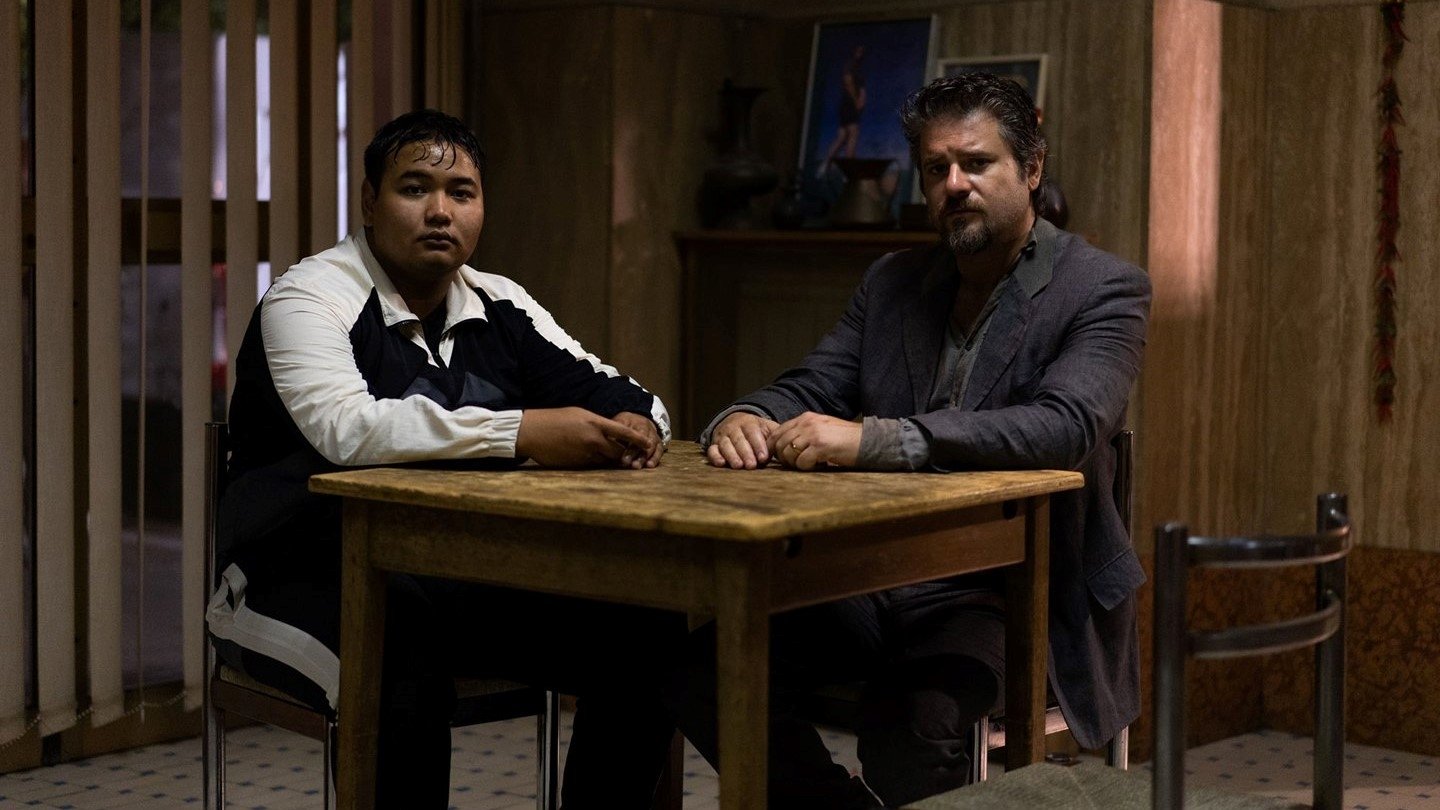
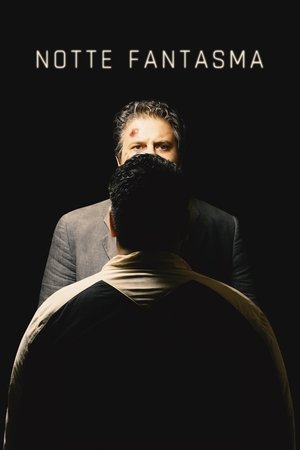


It is evening. Tarek is seventeen years old and is on his way to see his friends, who have asked him on the telephone to pass by the park first and buy a few grams of dope: nothing much, just enough for some fun. The boy buys the stuff in the dark park, but when he emerges finds that someone has seen him: a policeman in plain clothes, sitting in his own car. The man could simply confiscate the hash, intimidate him a little and then let him go, or he could decide to take him to the station and call his parents. But he opts for neither of these things. He tells the young man to get in the car and starts the engine. Where does he want to take him? The policeman is ambiguous, mysterious. What does he want from the teenager? Tarek is in check, he can’t just leave. The policeman makes him stay with him the whole night, driving around in apparently aimless fashion, stopping first in one place, then in another.
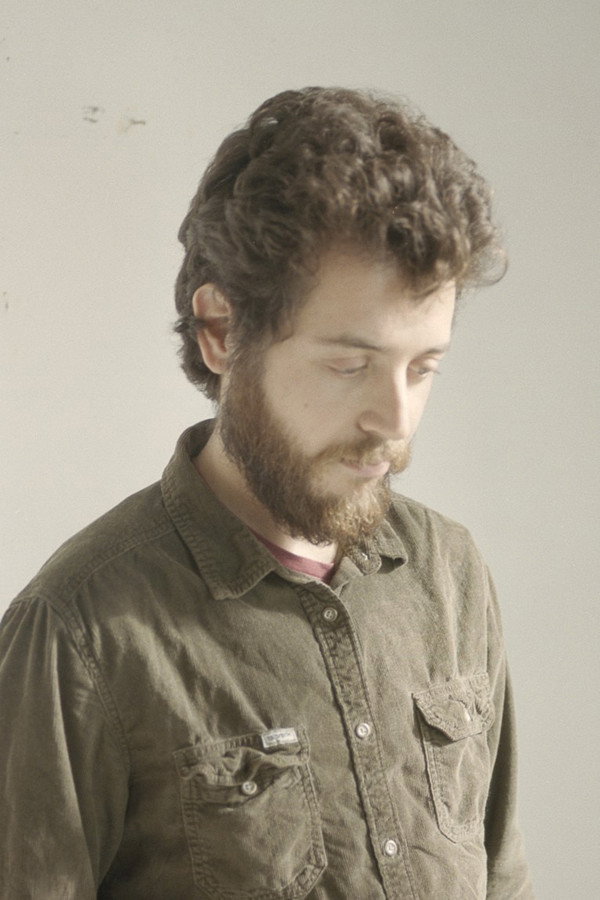
Fulvio Risuleo
Director


Edoardo Pesce
Poliziotto
Yothin Clavenzani
Tarek

Elisa Pierdominici
Beatrice

Stefano Cipani
Spacciatore
Elena Ferrantini
Pattinatrice

Elena Gigliotti
Poliziotta

Davide Iachini
Poliziotto
Miriam Imperatore
Cameriera
Valentina Leoni
Ragazza Ubriaca
Samuel Laugart
Amico Tarek 1
Noemi Magagnini
Amica Tarek
Not every silence is empty. Some are filled with things too heavy for words.
If you mix religious rituals with dark mythology, the result will be effective, and the story powerful in 90% of the cases. That is exactly what happens at the beginning of The Vigil.
'Yuri!!! on Ice' turned queerbaiting on its head and gave me hope when I needed it the most.
This Christmas movie gives viewers a friendship that unexpectedly forms from a plane trip.
In 'Little Boxes," an interracial family moves to an all-white town where they face the judgement of others who have never been exposed to people of color before.
Haven't you heard? There's a new horror subgenre: cerebral gore, that's probably been around for decades and we're now just starting to talk about it.