






'Zom 100' Critiques Predatory Capitalism
Zombie apocalypses have been metaphors for late-stage predatory capitalism, but never a system disrupter that brings about freedom.
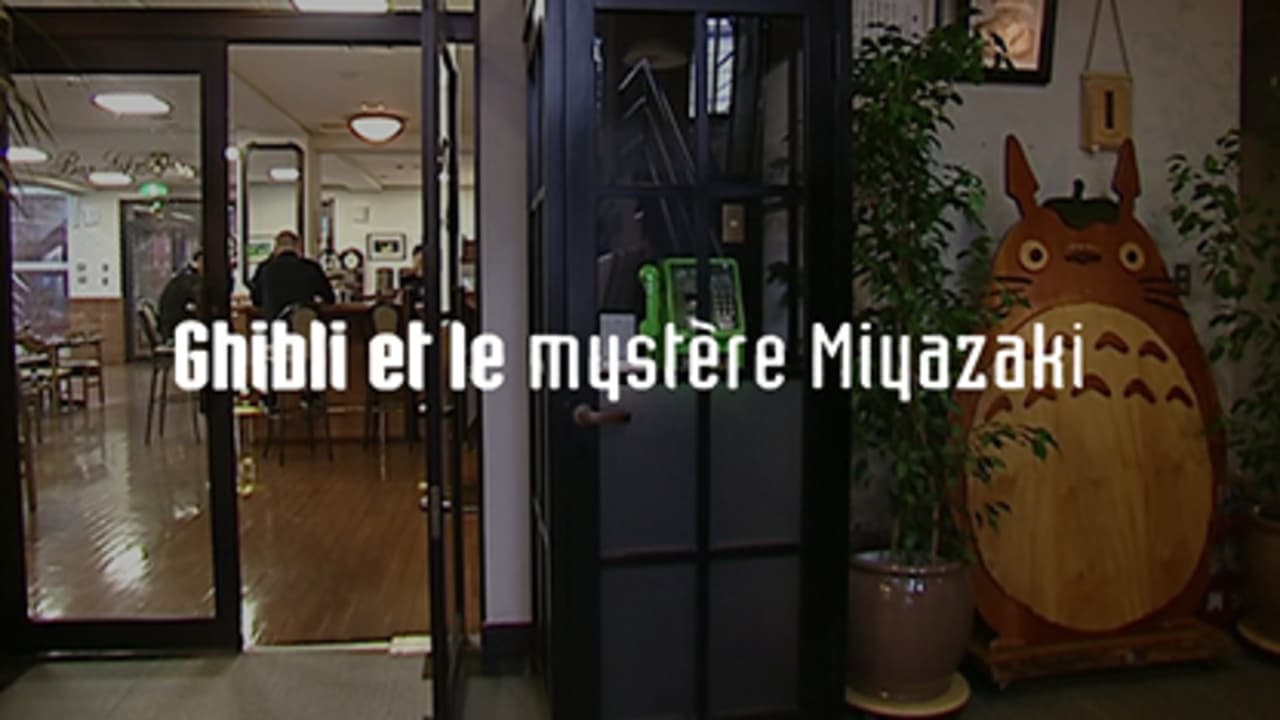


Studio Ghibli is Japan's most successful animation studio, with helmers Hayao Miyazaki ("Spirited Away," "My Neighbor Totoro") and Isao Takahata ("Grave of The Fireflies," "The Tale of Princess Kaguya") creating a bonanza for producer/prexy Toshio Suzuki. Generously adorned with clips from their films and their influences, the docu follows Ghibli's arc from a mid-'60s rebellion against working conditions at Toei Co. to its present powerhouse position, complete with public fun park. All interviews are illuminating, but Miyazaki is teasingly confined to pic's tete-a-tete finale with esteemed French comic artist Jean "Moebius" Giraud. Meeting of the wizened European, whose imprint is on films from "Blade Runner" to "The Fifth Element," and the apparently relaxed Nipponese helmer makes an interesting contrast, and will be of special interest to Francophiles. All credits are impeccable
Zombie apocalypses have been metaphors for late-stage predatory capitalism, but never a system disrupter that brings about freedom.
The film's storylines read as allegories for the queer experience and that's a source of solace for LGBTQIA+ fans!
A consumed-by-rage woman travels from universe to universe to avenge the death of her daughter by brutally killing her murderer over and over again. And that's all that she does.
A simple question often sparks intense debate. Incluvie attempts a working definition for the beloved horror genre.
Women who pray together, play together. Very rarely would I describe a story about a group of punk rockers as “whimsical”, but such an engaging array of visual and comedic components make this stand-out new series the star that it is.