

'The Dinner Party' — MiamisFF Review
A young woman finds herself trapped in a crossfire of awkwardness during a nightmarish dinner party with her boyfriend's dysfunctional family.
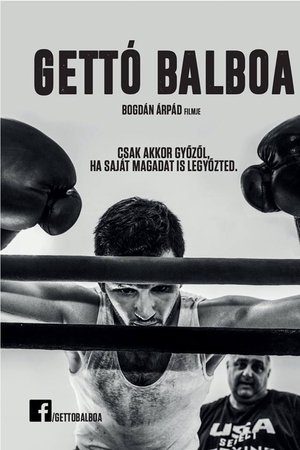


The film follows a boxing coach and his trainee. They are from the infamous Ghetto in the middle of Budapest. Misi, an ex member of the mafia, while recovering in a prison hospital after a shootout, turned to God and left behind his criminal past. As his “mission” he started a local community boxing club aimed at young children from troubled families. Zoli is one of these kids. Zoli lives in a one bedroom apartment with 5 other people. Despite his young age he has to face up to the responsibility of providing for his family. He has a tough decision to make. He either becomes a professional boxer or follows in the footsteps of his mobster father.
A young woman finds herself trapped in a crossfire of awkwardness during a nightmarish dinner party with her boyfriend's dysfunctional family.
The social issues The Half of it takes on are handled well, between the antagonization brought on to Ellie for her race and the conflict that arises from her being gay. Both aspects of her character are built up over the course of the film and don’t seem abrupt or rushed. The film shows racism towards Ellie and her and father in varying levels, from having her schoolmates specifically address her as "Chinese girl” to the fore mentioned way her Dad is treated due to language barriers. The same can be said about Ellie being a lesbian. While she never truly “comes out” in the narrative, that does not undermine her journey of self-discovery from being meaningful. These ideas aren’t thrust upon the viewer in a preachy manor, the scenarios that occur feel believable given the rural setting. The film presents watchers with problems whom those like Ellie may face, and leaves us to sit with them and reflect.
Given that Charlie Cox is having a moment with the rise in interest in 'Daredevil,' let's return to one of his earlier movies: the fantasy romance 'Stardust' where he shines amidst a slew of characters, from a stereotypical witch to a crossdressing pirate.
Sorry to Bother You ultimately speaks to the unfair advantages that the country’s power structures award to those with the resources to control others, as Lift’s easy access to the media allows his opinion to be the only one that matters in the eyes of the unsuspecting and easily impressed public. Moreover, it reveals the extent to which the American Dream has any true validity. It postulates how the promise of success and fulfillment as promoted by the American Dream more often than not leads to the undoing of the individual. Interestingly, in its revealing of the American Dream as merely a facade, Sorry to Bother You wisely questions whether or not anything can really be done to undo a system that has been accepted and in action for centuries.
Though often underwhelming as a whole, Nevertheless is worth the watch because of the relationship between Sol and Jiwan. It is a stunning, refreshing take on the friends to lovers trope that LGBTQ media has been missing.
A Girl Walks Home Alone At Night, though its feminism may be unintentional, cannot exist without its focus on women reclaiming power. The movie is feminist by definition, even if Amirpour didn’t write it with that in mind. A Girl Walks Home Alone At Night is mesmerizing, poetic, and stunning, both for its portrayal of feminist ideas and its powerful story that is both horrific and subtly romantic at once.