
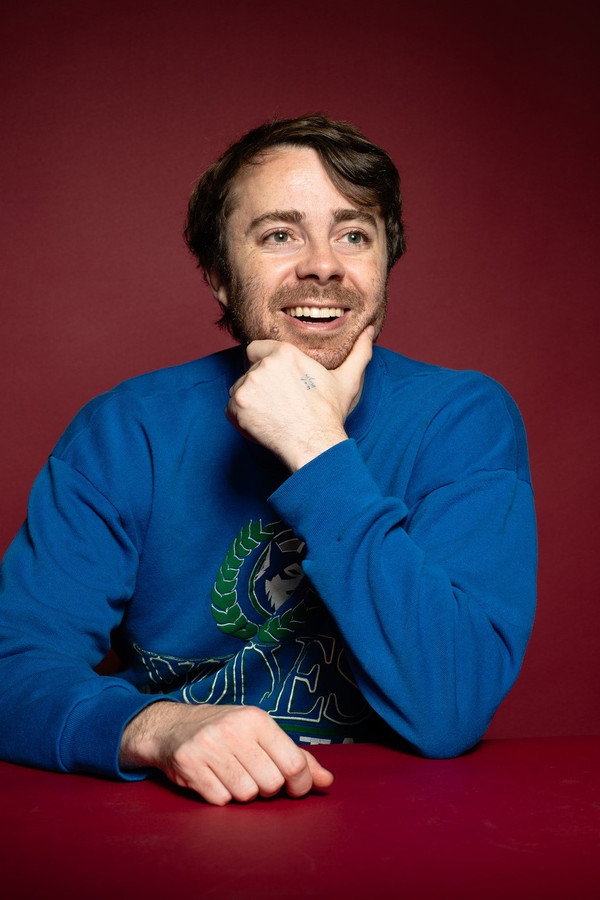
‘My Big Fat Greek Wedding 3’ is a VICTORY for queer representation
Scene-stealer Melina Kotselou brings infectious queer joy and non-binary representation to the third installment of Nia Vardalos' 'My Big Fat Greek Wedding' franchise.
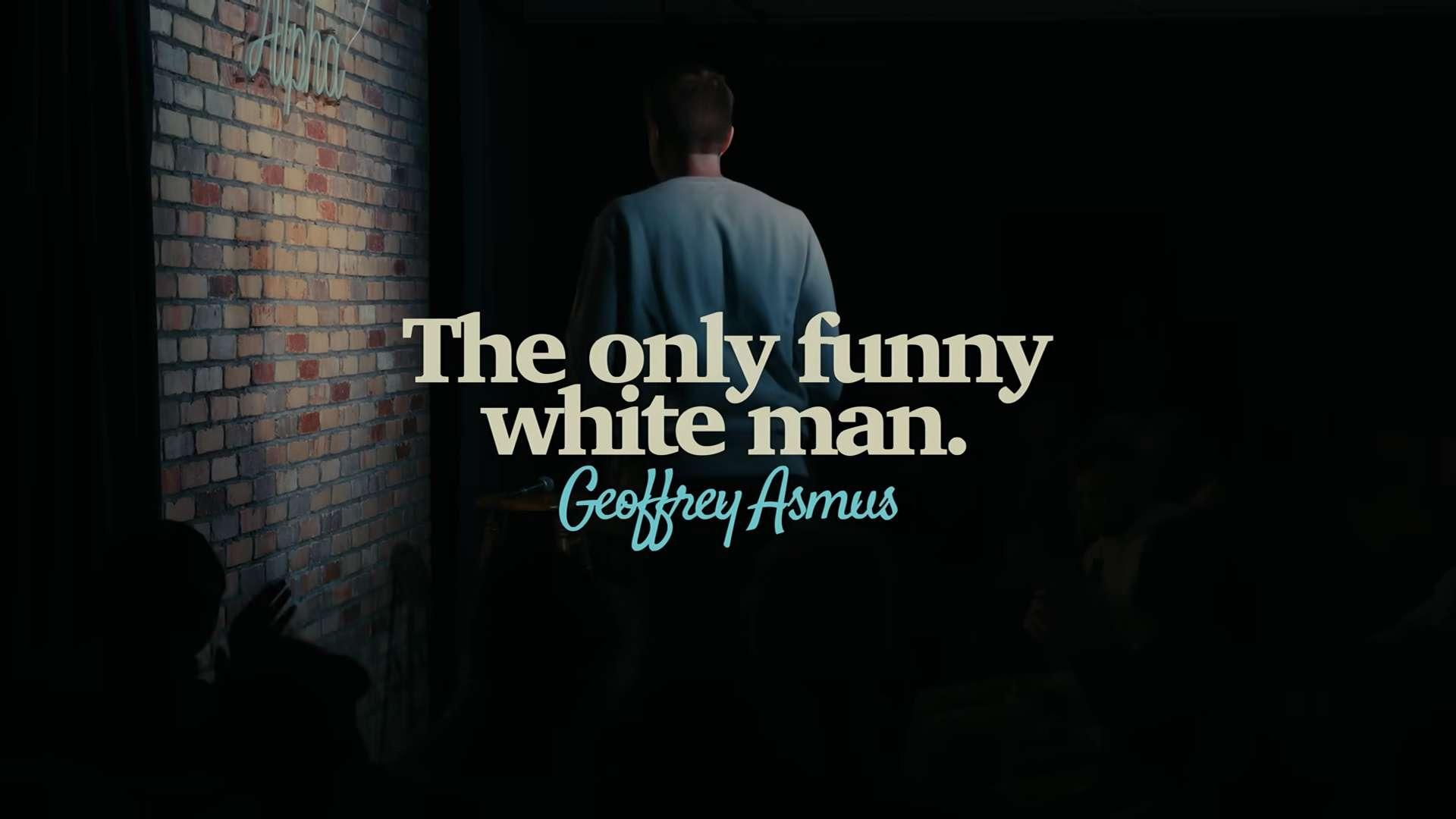
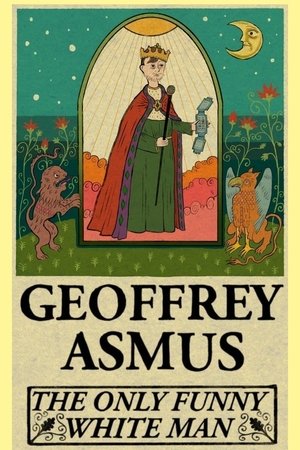


Hello fellow alphas. Welcome to Geoffrey Asmus’ first stand-up comedy special, “The Only Funny White Man.” This is the first 100% alpha stand up comedy special ever released. Others have tried, but none have succeeded. Congratulations on witnessing history. The stand up comedy special was filmed in front of my parents in Minneapolis, the greatest city in America, at Sisyphus Brewery. I'm trying to type stand up comedy as much as I can for the almighty algorithm. In this stand-up comedy special I answer all of society’s pressing questions - Are dogs sexy? Do we need Democrats? Should abortions be mandatory? Can Lutherans enter into heaven? Why do people go ice fishing? And most importantly - Why are betas allowed to live?
Scene-stealer Melina Kotselou brings infectious queer joy and non-binary representation to the third installment of Nia Vardalos' 'My Big Fat Greek Wedding' franchise.
YouTube surpasses Netflix but there is more to the story.
A family comedy that combines fantasy and normal school life.
Him is visually stunning—all concrete cathedrals and bone-rattling impact shots that look like a nightmare highlight reel. Marlon Wayans is magnetic as this legendary quarterback who's basically selling salvation with a smile that never quite reaches his eyes. But the story keeps running in circles: more tests, more cryptic pep talks, more ritualistic drills. The sports-as-religion metaphor beats you over the head when subtlety would've been more effective. The middle drags, and that finale chooses spectacle over substance. It's undeniably stylish, but left me cold. Also worth noting: despite the Monkeypaw connection, this isn't actually a Jordan Peele film—he didn't write or direct.
Based on the bestselling memoir, viewers get a glimpse of the challenges of autistic people.
‘Killers of the Flower Moon’ is preoccupied with plot and not on the greater struggle of the Osage.