



“Hamilton” on Disney+ Doesn’t Throw Away its Shot
Released on Disney+ during the pandemic, this musical tells the story of founding father Alexander Hamilton and depicts the formation of the United States with a diverse cast.
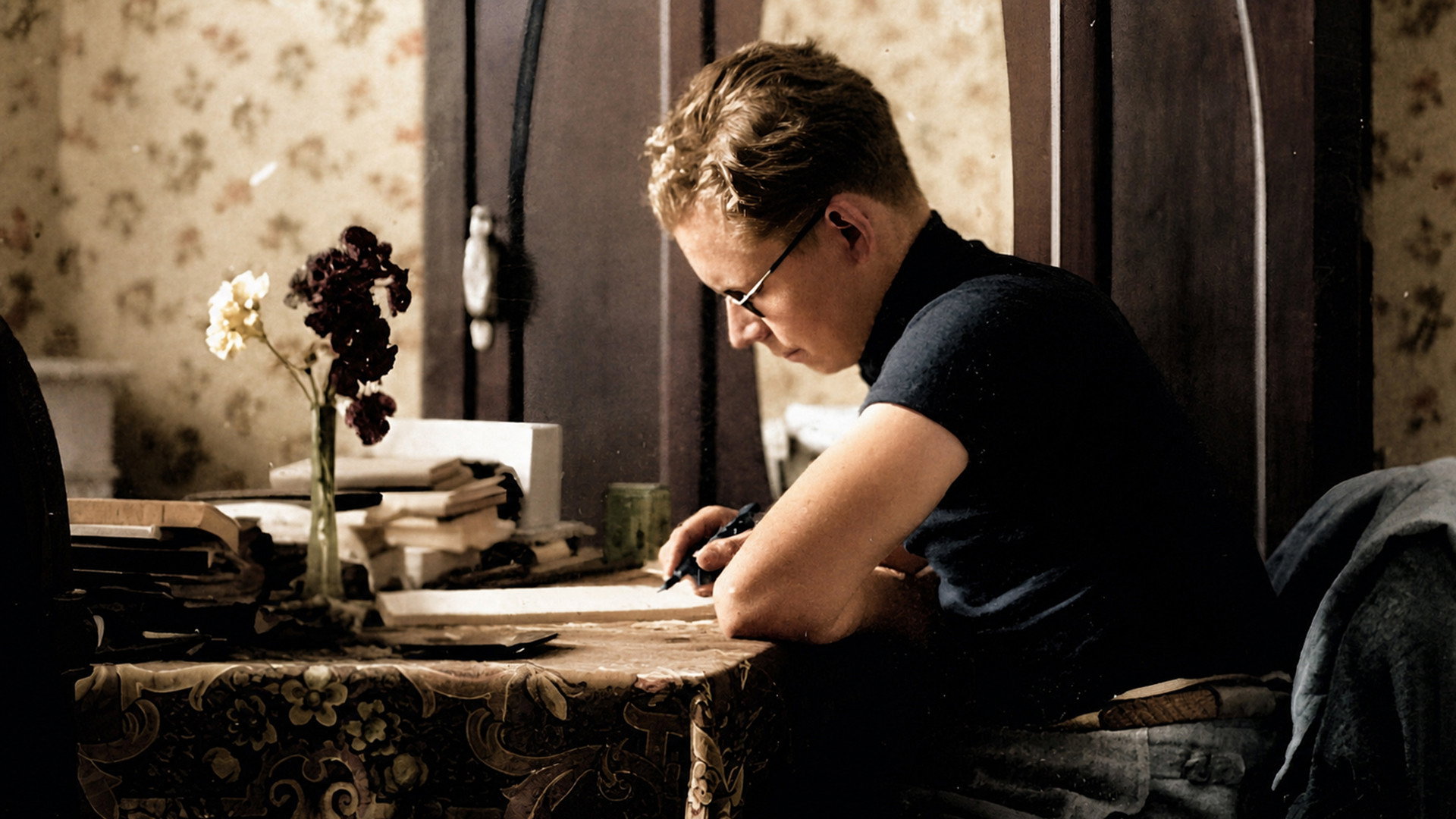
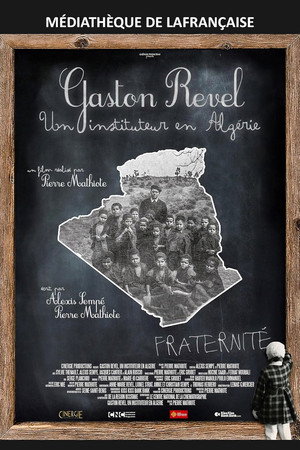


In 1936, Gaston Revel entered the École Normale in Algiers, where he was supposed to learn how to "educate the native." It was also during this time that he began to take an interest in politics: he was drawn to the Popular Front, then to Spanish anarchism, and finally to communism. From 1940 to 1955, he taught in Algeria, first in rural areas, then in Bejaia. He returned to Europe because of the war and landed in Provence in September 1914, following the Allied advance. It was in Bejaia, in 1945, that he became fully committed to the Algerian Communist Party: in 1953, he ran for municipal office in the second electoral district (reserved for Algerians) and sat alongside the Muslims. In 1955, at the beginning of the war, he was forced to leave Algeria against his will. But, like thousands of other "red feet," he returned there in 1962 and resumed his teaching career. From all those years, he left a complete and deeply committed record, many letters, notebooks, and newspaper articles.
Released on Disney+ during the pandemic, this musical tells the story of founding father Alexander Hamilton and depicts the formation of the United States with a diverse cast.
With The Father, writer-director Florian Zeller- who wrote and developed the play upon which the film is based- pulls no punches as he confidently makes every effort to put the audience in the mind of someone whose grip on reality has all but vanished. It’s a dazzling testament to Zeller’s abilities as a director as he makes his first transition from stage to film appear as if he’s been working behind a camera his entire career. The dialogue he fashions with co-writer Christopher Hampton, along with the work of production designers Peter Francis and Cathy Featherstone, collectively makes the downward spiral of dementia startlingly tangible, doing so in a way that can be comprehended by everyone except the person it directly affects.
Through its morbidly humorous storytelling, Wednesday tells a tale of a world divided that explores the manifestation of generational trauma in its protagonist Wednesday Addams.
The 'Black Adam' story is a blander copy of 'The Mummy', 'Moon Knight', and other Egyptian films made by Hollywood, taking place in the fictional Middle Eastern Kahndaq.
'Hawkeye' episode five features Clint facing his sins, Kate having dinner with an assassin, and the reveal of the long-awaited [SPOILER].