


A Conversation With the Filmmakers of 'When Men Were Men'
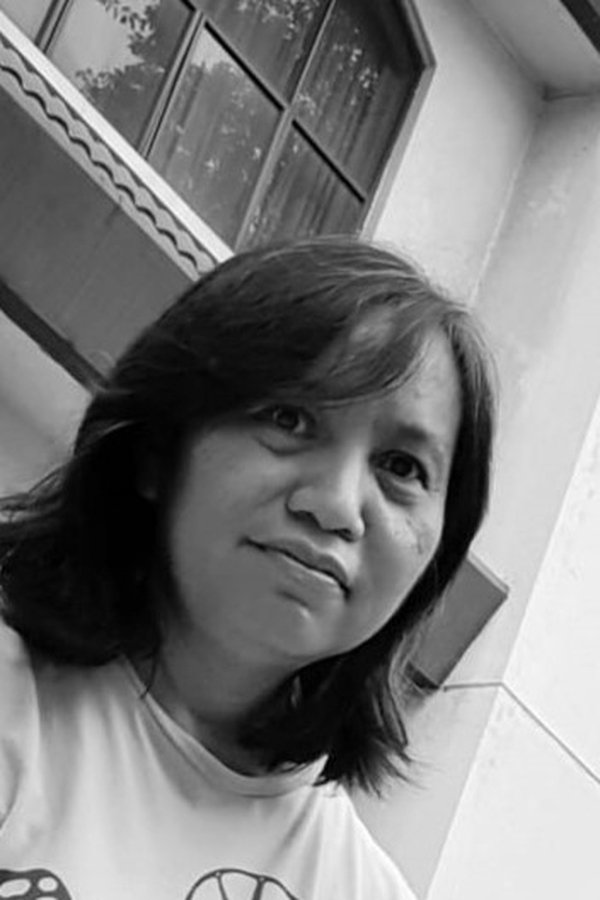
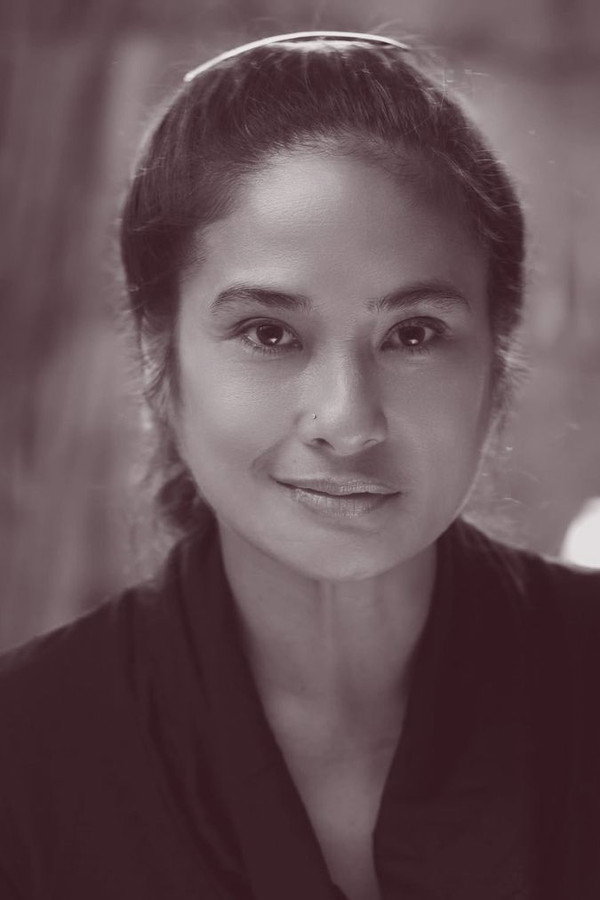
Hours before their line-up of screenings for Trans Awareness Week began, the filmmakers of 'When Men Were Men' chatted with me about the film's personal exploration of masculinity.



A woman (Mercedes Cabral) shares her story as a prostitute in front of the camera. A survivor, she looks back at her life as a mother. Milagros (Sue Prado) and Elena (Jam Pérez) are sisters tilling “camote” (sweet potato) in a dry land. Poverty provokes Elena to migrate as a mail-order bride in Japan while Milagros stays to take care of the family. Eos (Boots Anson Roa) is a widow who falls in love with a younger man, Rodrigo (Rome Mallari). They try to make the relationship work amidst the pressure of their family and the society.
Hours before their line-up of screenings for Trans Awareness Week began, the filmmakers of 'When Men Were Men' chatted with me about the film's personal exploration of masculinity.
Documented human suffering is never easy to view or read about and is understandably triggering for many people, but it can be educational, and education is a key to change. An overwhelming amount queer people worldwide (and in my own country) have it far worse than I could imagine, and documentaries such as Welcome to Chechnya bring issues to light that certain groups of people would never see.
Vicenza, a Brazilian girl, goes on a quest by herself to find out who her birth father is by gathering clues.
The Force Awakens is A New Hope 2.0, in essence. The story structure is virtually unchanged, marking a safe opening to the new trilogy.
We sat down with Writer/Director Albert Acosta to discuss his debut short film, (ha-ha), Acosta's foray into narrative cinema, and how his personal experiences have shaped his filmmaking philosophy.
A trouble-making teenager spends the summer working at a Southern California beach learning about responsibility.