
"The World to Come": A Stunning Period Romance
Mona Fastvold’s nineteenth century lesbian romance is emotionally charged, restrained, and poetic without feeling forced.
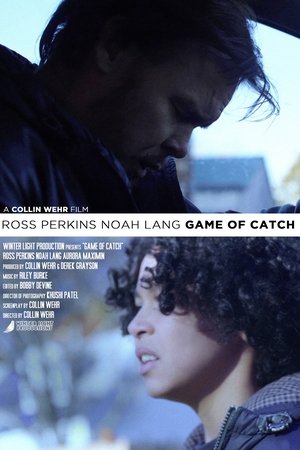


With just a day before his prison sentence, a father does all he can to win back his son's love.
Mona Fastvold’s nineteenth century lesbian romance is emotionally charged, restrained, and poetic without feeling forced.
Like all modern societal phenomenons, it started with a meme. This one highlighted that when there’s a mom in a Pixar film, she is almost without fail given striking curves that highlight the bottom half of her body following a minuscule waist. From Elastigirl to the skeletal Mama Imelda, the animation giant’s artists seem to have a fixation on making exaggeratedly curvy maternal characters.
You'd better buckle up, pack spare underwear, & maybe lay off the drinking for a night, for a gnarly ride in New York!
The idea of Rosemary's baby but with lesbian partners drew me in, and I was anticipating what the film had in store with its reimagining. Unfortunately, it all felt a little too vague to leave an impact.
... La huesera haunts her daily life, leaving people to question her viability as a mother, and Valeria’s lack of satisfaction with her life leave her asking similar questions. These misgivings reach their peak after the baby is born, when Valeria, visibly in a state akin to possession, locks her in the fridge when she won’t stop crying through the night
A surprise sequel takes place ten years after the original movie based on the title of the same name, but with a twist to the fairy tale.