Dead Poets Society Steals a Queer Story
Dead Poets Society relies on patriarchal tropes such as overbearing fathers, contrived brotherhood, and faux-individuality in order to portray its straight white male characters as oppressed.
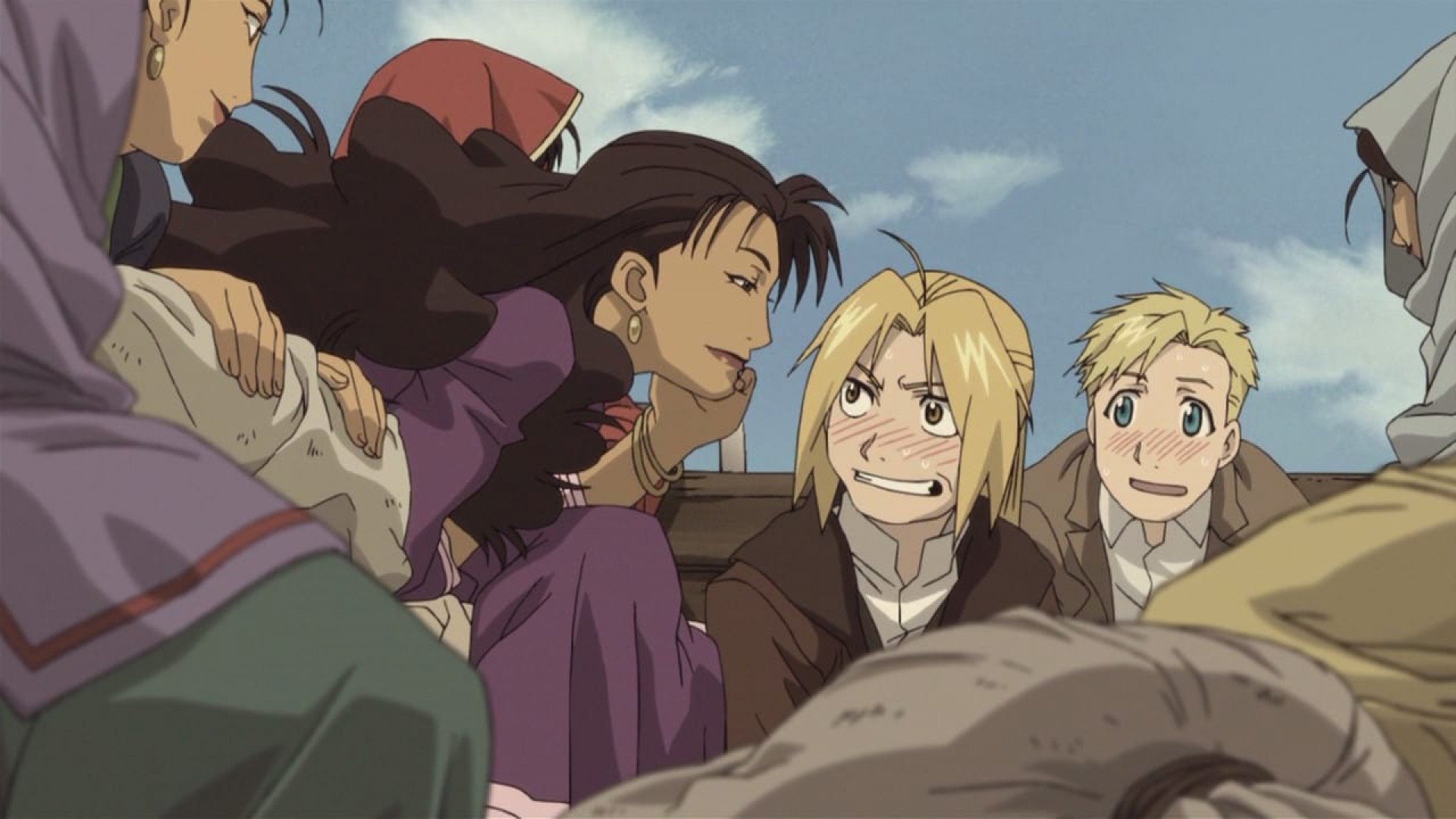



Munich, Germany, 1923. Two years have passed since Edward Elric was dragged from his own world to ours, leaving behind his country, his friends and his younger brother, Alphonse. Stripped of his alchemical powers, he has been all this time researching rocketry together with Alphonse Heiderich, a young man who resembles his own brother, hoping to one day find a way back home. His efforts so far had proven fruitless, but after lending a hand to a troubled gipsy girl, Edward is thrown in a series of events that can wreak havoc in both worlds. Meanwhile, at his own world, Alphonse Elric ventures deeper into the mysteries of alchemy in search for a way to reunite with his older brother.

Seiji Mizushima
Director


Romi Park
Edward Elric (voice)

Rie Kugimiya
Alphonse Elric (voice)

Toru Okawa
Roy Mustang (voice)

Megumi Toyoguchi
Winry Rockbell (voice)

Miyuu Sawai
Noah (voice)

Michiko Neya
Riza Hawkeye (voice)

Kazuko Kato
Dietlinde Eckhart (voice)

Hidekatsu Shibata
Fritz Lang (voice)

Masane Tsukayama
Karl Haushofer (voice)
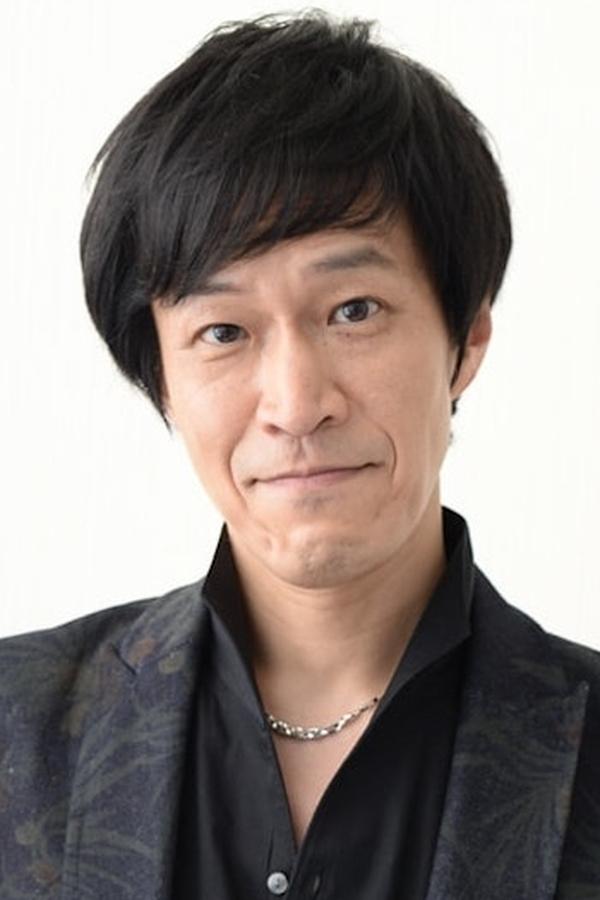
Rikiya Koyama
Rudolf Hess (voice)

Mayumi Yamaguchi
Envy (voice)
Dead Poets Society relies on patriarchal tropes such as overbearing fathers, contrived brotherhood, and faux-individuality in order to portray its straight white male characters as oppressed.
A cat-and-mouse chase that will make viewers nostalgic for the cartoon series.
A lot of us are emotionally impacted by the current pandemic. So, while we’re all stuck here in our homes, it’s great to put on a movie to ease the stress. With that, I made up a small list of some of my favorite feel-good movies.
Vicenza, a Brazilian girl, goes on a quest by herself to find out who her birth father is by gathering clues.
Tarantino's alternative history of the 1960's uncritically repeats the era's sexist and racist stereotypes.