


Films that Avert the Idea Animation’s Only for Kids
I hate the idea that animation’s for kids; just because it’s animated doesn’t mean that it’s some silly cartoon and shouldn’t be taken seriously.
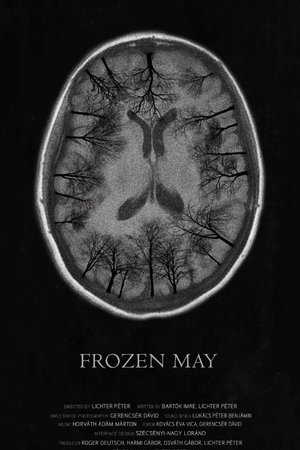


1990, after the fall. A man struggles to survive in the forest, living alone in a small cabin. One day he spots a mysterious child in an abandoned summer camp.
I hate the idea that animation’s for kids; just because it’s animated doesn’t mean that it’s some silly cartoon and shouldn’t be taken seriously.
It’s been awhile since I’ve seen a film that is jarring within the first five minutes. Being at the edge of my seat from the very beginning made me feel both excited and frightened for what was to come, and it did not disappoint. Led strongly by Jennifer Lawrence as Grace, a woman trapped in the “American dream”, this film shows that society tells us what should make us happy. Many critics describe Die My Love as being about post-partem depression, but it is so much more. After moving to a secluded home with her husband Jackson, Grace finds herself in the throes of motherhood. Feeling isolated in her physical environment and her romantic relationship, Grace suffers psychologically. Lawrence brings a sense of rawness and humor to the screen that is often uncomfortable. Robert Pattinson adds to the discomfort as her loving, yet lost husband Jackson, who cares about his wife but does not know how to help her. Lynne Ramsay has presented a film that forces us to look at the realness of life, and what happens when the promise of what should make you whole fails.
'Barbarian' is horror infused with something ridiculous that makes the whole thing entertaining.
With This is Us now on its fifth season and A Million Little Things on its third, we have a lot of material to entertain the hypothetical: if these two shows got in the ring together, who would come out victorious? Despite the endless recognition for the former’s success, I dare say I’d put my money on A Million Little Things once all is said and done.
There’s enough evidence to insinuate that What We Do in the Shadows is intentionally queer-coded.
Based on a true story, when his beloved dog goes missing, the owner embarks on an incredible search with his parents to find him.