9 More Women in Comedy to Watch This Women’s History Month
This list was made with the intention of celebrating the craft. I love seeing more women of colour on this list than before and more newcomers on the scene as well!
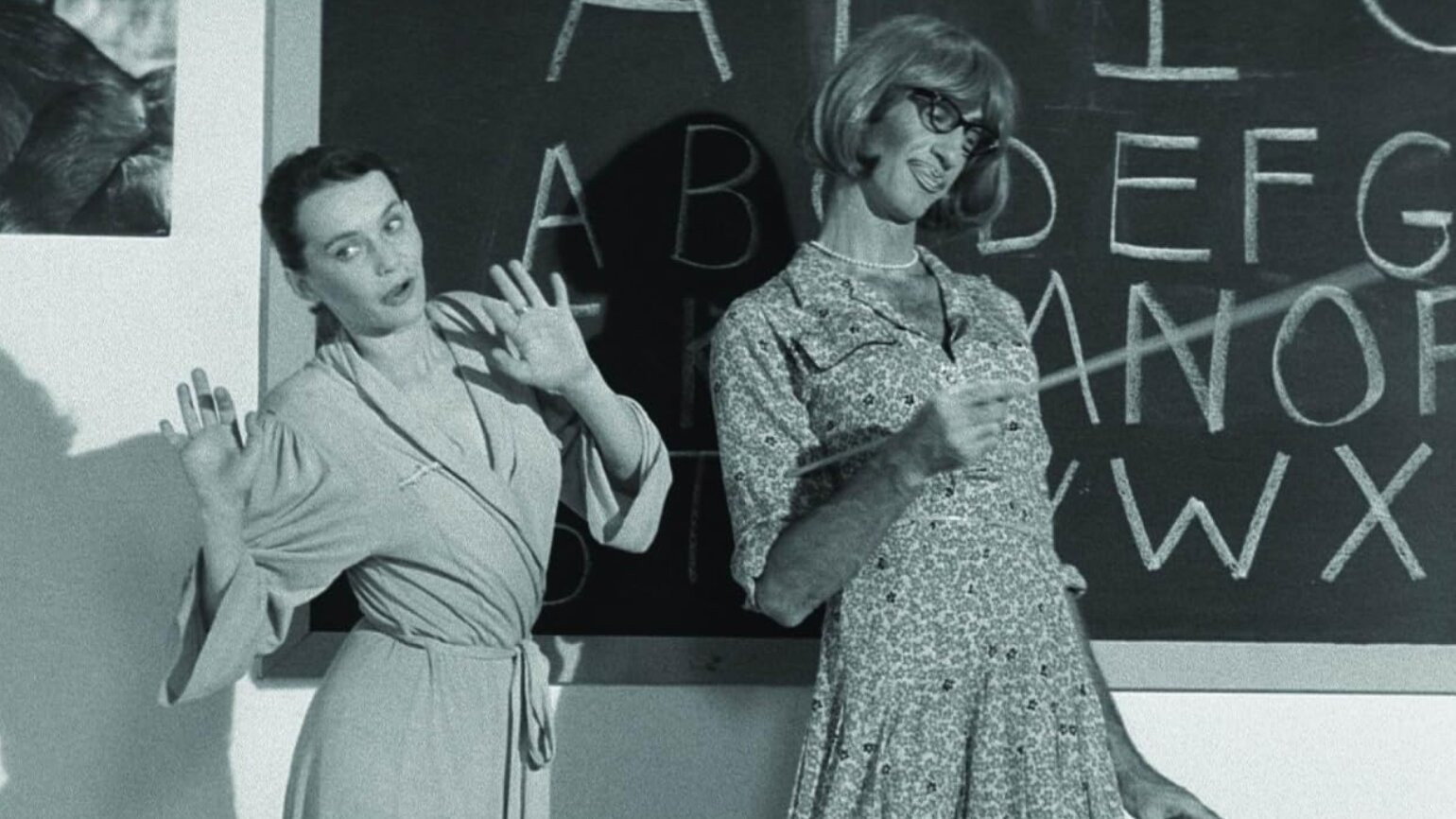
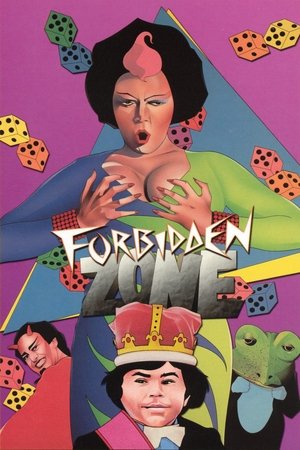


A mysterious door in the basement of the Hercules house leads to the Sixth Dimension by way of a gigantic set of intestine. When lovely exchange student Frenchy slips through the door, the diminuitive King Fausto falls in love with her. The jealous Queen Doris takes Frenchy prisoner, and it is up to the Hercules family and friend Squeezit Henderson to rescue her.

Richard Elfman
Director


Hervé Villechaize
King Fausto of the Sixth Dimension

Susan Tyrrell
Queen Doris of the Sixth Dimension

Matthew Bright
Squeezit Henderson / René Henderson
Gene Cunningham
Pa Hercules
Marie-Pascale Elfman
Susan B. 'Frenchy' Hercules
Virginia Rose
Ma Hercules
Phil Gordon
Flash Hercules
Hyman Diamond
Gramps Hercules
Brian Routh
Harry Kipper
Martin von Haselberg
Harry Kipper
Jan Stuart Schwartz
Bust Rod, the Servant Frog
This list was made with the intention of celebrating the craft. I love seeing more women of colour on this list than before and more newcomers on the scene as well!
Lucifer is a show with both comedy and drama, but most importantly, has charm. Well aware it’s following a silly premise, the show does so in a way that’s entertaining. Sure, sometimes it can be cheesy, but fun cheese.
The film is a documentary focusing on heavy metal in the late 80s and tackles topics like drug addiction, alcoholism, sex, masculinity, and of course, rock and roll. However, this didn’t feel like any documentary I’ve ever seen before.
Hiring bias is something that's rampant in all industries (even unconscious bias). But writing a script totally neutral not only opens the door for more diverse actors, but also for characters that are people first.
Sailor Moon Crystal wisely makes the decision to adapt Season 4's Dream Arc into an epic anime movie where the Sailor Guardians shine brightest.
Wacky antics ensue when a 100-year-old Jewish man wakes up from a pickled hibernation in the modern world.