




NiuNiu - Film Fest Review
The film is a powerful narrative encompassing a theme that many people can identify with.
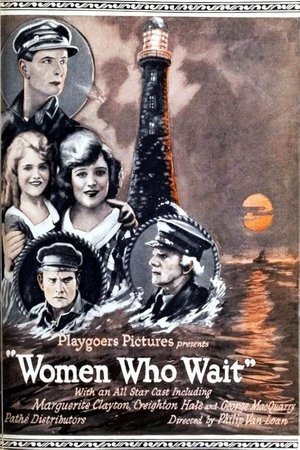


New England fisherman John Van Zandt sons Harold and Peter are in love with Eileen Arden, though she favors the younger brother Harold. The jealous Peter convinces Eileen that Harold is circulating false rumors about her, then convinces his younger brother to move to Boston. Six years later, John is unable to work so Harold returns to help support the family, finding employment as a lighthouse keeper. Peter jealousy is once again aroused and his drunken rage results in the death of his child, Anne. After realizing that Eileen knows of his deceit years earlier, Peter attempts to kill Harold in the lighthouse, but instead falls to his own death during the ensuing struggle.
The film is a powerful narrative encompassing a theme that many people can identify with.
Sorry to Bother You ultimately speaks to the unfair advantages that the country’s power structures award to those with the resources to control others, as Lift’s easy access to the media allows his opinion to be the only one that matters in the eyes of the unsuspecting and easily impressed public. Moreover, it reveals the extent to which the American Dream has any true validity. It postulates how the promise of success and fulfillment as promoted by the American Dream more often than not leads to the undoing of the individual. Interestingly, in its revealing of the American Dream as merely a facade, Sorry to Bother You wisely questions whether or not anything can really be done to undo a system that has been accepted and in action for centuries.
Suppressed intergenerational family trauma and healing, warm welcome to the Marvel Cinematic Universe team, and Awkwafina's humor really make this film the real MVP.
Birds of Prey has some of the best stunt work and choreography of 2020, and was the most fun I’d had in an action film since John Wick 3.
If you remember the days of the 24 hour Overnight Challenge on YouTube, Secret Mall Apartment will tickle your nostalgia receptors.
Disney has hopefully learned some lessons since 1994. Are those lessons reflected in the 2019 remake of "The Lion King?"