

How The Suicide Squad's Polka-Dot Man Helped My Anxiety
The Suicide Squad's Polka-Dot Man aka Abner Krill, played by David Dastmalchian, helped me come to terms with my own issues of anxiety.
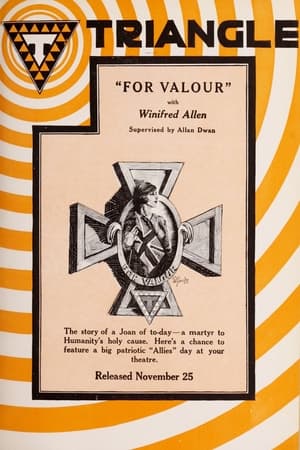


Melia Nobbs, a young Canadian woman, supports both her invalid father Ambrose and brother Henry. When Henry faces arrest for helping himself to his employer's cash, Melia steals the amount from the star of the theater where she has been dancing and offers it to her brother if he will enlist in the army. Henry agrees and goes off to war, making Ambrose proud of his son, but when Ambrose learns that his daughter has been arrested for theft, he disowns her. Melia does not reveal the reason for taking the money and is sent to prison. Meanwhile, Henry fights bravely in France and returns home minus an arm but wearing the Victoria Cross. He finds his sister, weak and worn from overwork, in the prison hospital. Seeing her brother with his medals, Melia realizes that her sacrifices for him and her country have not been in vain, and that in her own way, she has served her country.
The Suicide Squad's Polka-Dot Man aka Abner Krill, played by David Dastmalchian, helped me come to terms with my own issues of anxiety.
Stylish, slow, and somewhat standoffish, Human Resource examines corporate life from the perspective of a female HR employee as she interviews job candidates while also deciding whether to keep her newly discovered pregnancy.
The Legendary Clades - a family of explorers - find themselves in a strange new world with fantastic creatures awaiting them. Perhaps their greatest challenge will be healing the ties that bond.
This romance movie has strong representation of Taiwanese people.
Like all modern societal phenomenons, it started with a meme. This one highlighted that when there’s a mom in a Pixar film, she is almost without fail given striking curves that highlight the bottom half of her body following a minuscule waist. From Elastigirl to the skeletal Mama Imelda, the animation giant’s artists seem to have a fixation on making exaggeratedly curvy maternal characters.
Documented human suffering is never easy to view or read about and is understandably triggering for many people, but it can be educational, and education is a key to change. An overwhelming amount queer people worldwide (and in my own country) have it far worse than I could imagine, and documentaries such as Welcome to Chechnya bring issues to light that certain groups of people would never see.