


'Causeway' Explores Toxic Masculinity Through Its Protagonists
The message to take away from 'Causeway' is that toxic masculinity can manifest in anyone, no matter what their gender identity is.
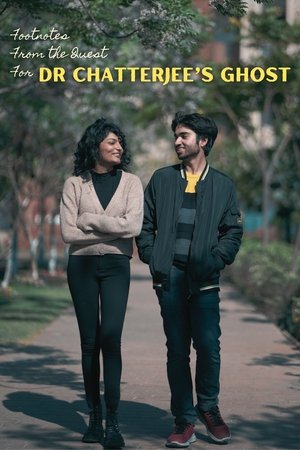


Vihaan and Isleen stumble into each other a week after graduation — they are the only ones still left on campus. With secrets to tell and stories to share, they decide to spend their last day searching for the mythical ghost of Dr Chatterjee. The Professor died ten years ago, leaving behind his own marked-up books for the library. What answers will they reveal? And why spend their last day asking questions of a ghost's footnotes anyway?
The message to take away from 'Causeway' is that toxic masculinity can manifest in anyone, no matter what their gender identity is.
"WHAT ARE YOU WILLING TO SACRIFICE?!!!!" "EVERYTHING!!!!!" This is but one of a multitude of highly emphatic questions, and subsequent answers, being asked in the newest feature film from one of the current masters of horror, Jordan Peele ("Get Out", "Us" and "Nope"). I must give Peele credit in that he continues to push the boundaries of specific genres and their associated tropes in order to provide what ends up amounting to subtly then jarringly intense, yet still character and story-driven, cinema that speaks more to indie stylings than mainstream.
A pop star at Radio City Music Hall gets the opportunity to change herself to save her music career.
Not only can viewing Not My Dog inspire people to adopt a dog that may be facing tremendous odds, but even that simple action of watching has a social effect.
The tale of two friends spans three films and gives wonderful representation for young girls everywhere.
As a musical fan, I enjoyed the film and encourage anyone who likes dark humour and a bit of blood to give it a watch.