


Incluvie – Better diversity in movies.
Identity in film with Incluvie stamps, scores, reviews.

Incluvie – Better diversity in movies.
Explore identity in film with Incluvie stamps, scores, reviews, and insights.

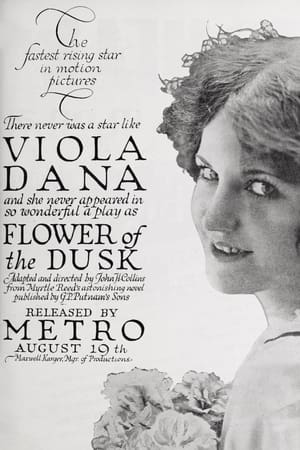
Flower of the Dusk poster

Flower of the Dusk (1918)

Blind Ambrose North is tormented by the suspicion that his wife Constance committed suicide when their crippled daughter Barbara was only two, because she did not love him. Before her death, Constance wrote Barbara a letter to be opened on the girl's twenty-first birthday, but when Barbara opens it and learns that her mother killed herself to escape a doomed love affair with Lawrence Austin, she invents a different story for Ambrose, knowing that the truth would hurt him too deeply.
- / 5
PopScore
Representation

Pictures and Videos


Incluvie Gala

Movie Information


Blind Ambrose North is tormented by the suspicion that his wife Constance committed suicide when their crippled daughter Barbara was only two, because she did not love him. Before her death, Constance wrote Barbara a letter to be opened on the girl's twenty-first birthday, but when Barbara opens it and learns that her mother killed herself to escape a doomed love affair with Lawrence Austin, she invents a different story for Ambrose, knowing that the truth would hurt him too deeply.

Rating:
Genre:Drama
Directed By:John H. Collins
Written By:John H. Collins
In Theaters:8/12/1918
Box Office:

Runtime:53 minutes
Studio:Metro Pictures Corporation

Articles You May Like


The Rise of a Kindhearted Comedy Hero: The Anti-Toxic Masculinity Message of Brendan Fraser Films

Throughout Brendan Fraser’s career, he has played a plethora of unique, layered characters who explore the importance of not being afraid to display your emotions, something that is often seen to not be a masculine trait. This idea of regulating emotion and what traits men are able to possess creates a toxic atmosphere for men who are often told they should not cry or represent their emotions in any physical way. These characters represent that men can be joyful, emotionally conscious, and sensitive, while also representing their masculine identity instead of painting those qualities as fighting against their masculinity.

Amanda Mazzillo