

“Selena: The Series": A Disservice to Selena’s Legacy
'Selena: The Series' loses sight of the story's heart: Selena herself.

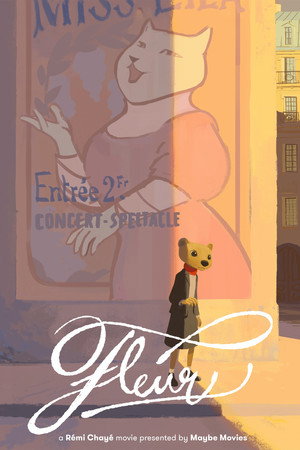


At the beginning of the 20th century, Fleur, a passionate and observant girl, survives with her family in The Zone, a nebulous cluster of slums on the outskirts of Paris. Forced to work in a soap factory, she endures the harshness of working-class conditions. She awkwardly shouts her revolt and finds herself on the street. When she lands in the lap of a wealthy cabaret owner who understands her talent as a lyricist, she gets a taste of the Paris of the Belle Époque. But faced with the repression that falls on the Zone and her family, she has to choose: become a singing star or stand up for her family.
'Selena: The Series' loses sight of the story's heart: Selena herself.
In Deaf, the Spanish director Eva Libertad explores pregnancy and motherhood from the perspective of a deaf woman. Her movie examines how the world imposes the notion of disability on her main character while she actually does not feel disabled herself.
After years of silence, trauma, and backlash, Rose McGowan tells her own story in this miniseries.
The 1950s lesbian romance is stunning, emotional, restrained, and, simply put, one of the best movies I’ve ever seen depicting a woman-loving-woman (WLW) relationship.
How powerful can a story be when it is stripped to the bare essentials of just a room, a handful of people and raw human voice?
The newest in a long line of Cinderella adaptations, Amazon’s Cinderella (2021) prizes girlbossification above the very story it tries to adapt.