A Personal Experience of Representation - The Intersection of Armenian Culture & Epilepsy
I am an Armenian who has a mild form of epilepsy. I rarely see Armenian culture and epilepsy properly portrayed in film or TV. I delve into the how and why.




Fletch is a fish out of water in small-town Louisiana, where he's checking out a tumbledown mansion he's inherited. When a woman he flirts with turns up dead, he becomes a suspect and must find the killer and clear his name.

Michael Ritchie
Director

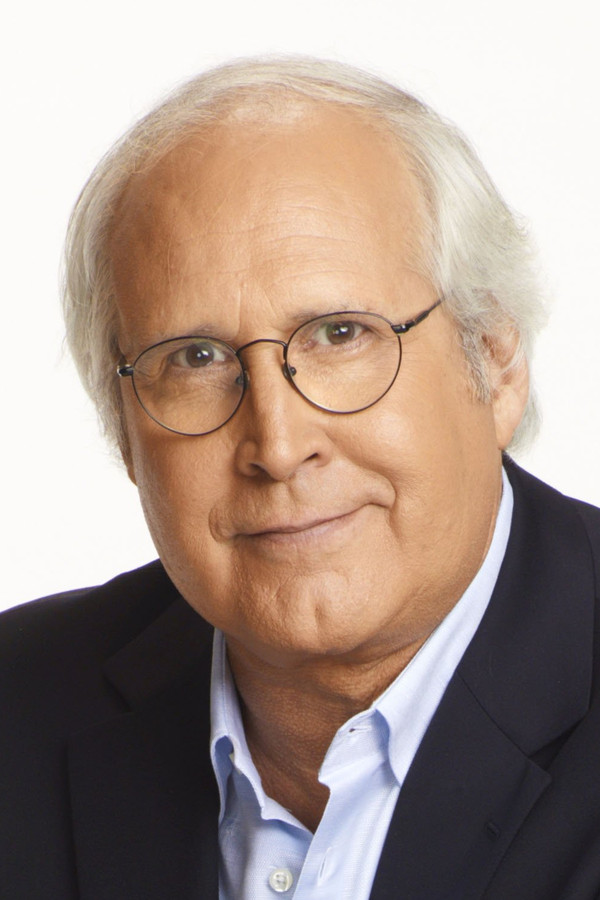
Chevy Chase
Irwin 'Fletch' Fletcher
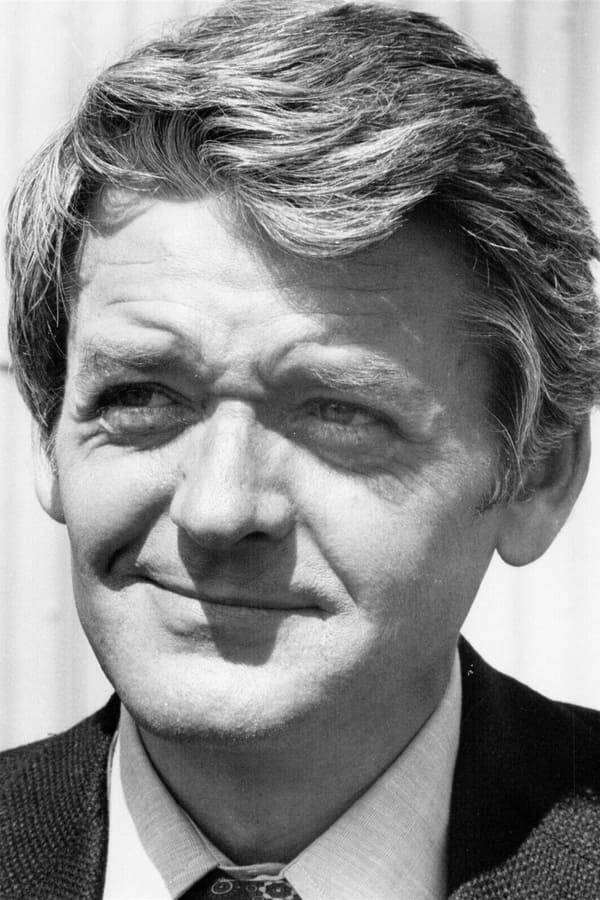
Hal Holbrook
Hamilton "Ham" Johnson

Julianne Phillips
Becky Culpepper
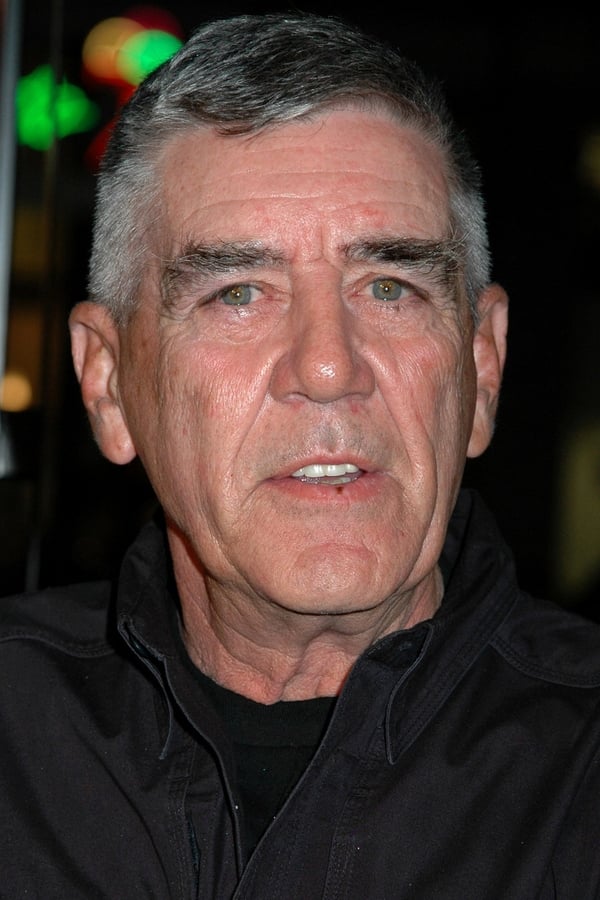
R. Lee Ermey
Jimmy Lee Farnsworth

Richard Libertini
Frank Walker

Randall 'Tex' Cobb
Ben Dover

Cleavon Little
Calculus Entropy

George Wyner
Marvin Gillet

Patricia Kalember
Amanda Ray Ross

Geoffrey Lewis
KKK Leader

Richard Belzer
Phil
I am an Armenian who has a mild form of epilepsy. I rarely see Armenian culture and epilepsy properly portrayed in film or TV. I delve into the how and why.
I came across Urchin by chance and decided to watch it because of the title. It made me think of the spiky animal that lives at the bottom of the ocean, and the old Dickensian novels, where an urchin was an orphaned, homeless child in shaggy and dirty clothes.
The original series is now on Netflix, you should definitely give it a watch. And if you’ve already seen it, watch it again.
Considering the runtime, I expected each scene to hit harder as opposed to a series of montages and vignettes.
The most divisive character in Multiverse of Madness is undoubtedly Wanda Maximoff. Is she good or evil? Is she "unlikeable?" I'm tired of the debate. I love Wanda because she's for us—she's for the women.
Hours before their line-up of screenings for Trans Awareness Week began, the filmmakers of 'When Men Were Men' chatted with me about the film's personal exploration of masculinity.