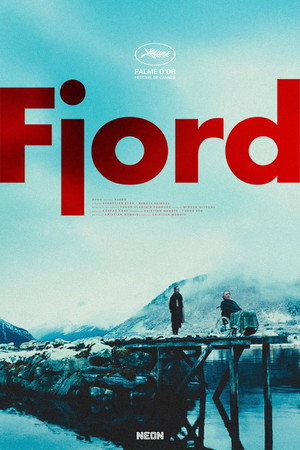
This year’s Palme d’Or winner is opaque. This is for many reasons. The most obvious is the presentation of its story, with numerous characters and three different languages, in a country that most of its viewers won’t be intimately familiar with. The second most obvious is the number of issues it tackles, from religion, to parenting and child abuse, to immigration. It poses several questions, like, how do we approach assimilation and diversity, and, how do we define child abuse? But perhaps the most important reason that this film is indecipherable is it does not give obvious answers to those questions.
Fjord is about two parents, one Romanian (played by Sebastian Stan), and one Norwegian (played by Renate Reinsve), who are accused by the Norwegian government of violence towards their children. They admit to “slapping” their children and connect this practice to their religion, specifically Christianity. The film presents this as a conflict between parents who go too far in disciplining their children and a government that goes too far in prosecuting those parents. It clearly takes those viewpoints, but refuses to take a side. There is no “good guy” and “bad guy” dynamic in this film.
There is an integrity to this approach. It opens up a conversation and begs us to discuss how we would answer the questions posed. These issues are complex, but at the same time, most audience members will think they have definitive answers. People feel strongly about these issues, and by taking this approach, the film runs the risk of feeling less like a referee and more like a spectator. Surely some will think of the old saying that “the only thing necessary for the triumph of evil is for good [people] to do nothing.”