



Rejecting “The Prom”-posal - Movie Review
Despite everything it was capable of, all of these poor choices strung together amount to nothing more than a counter-productive film.

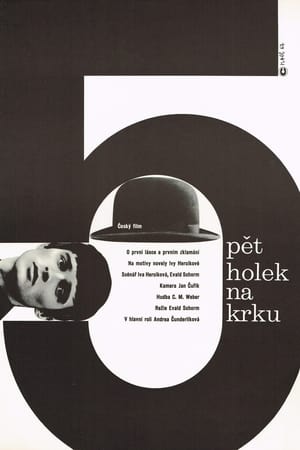
Five Girls Around the Neck, in 1967, set out to explore that critical age of adolescence when a person's character is formed for good or evil. Schorm examined a girl's problems of being giving too much. She tries to buy the goodwill of her less fortunate friends; her intentions are pure, but in the difficulty of communicating she learns envy and deceit, and must decide if she will submit to double dealing or steel her life against self-deception and mediocrity. In addition to the relationship between the girl and her friends, Schorm introduces a teenage romance and the broader relationship between the girl's parents - neatly tied together with segments of Weber's opera "Der Freischütz". He reveals himself as a skilled psychological director with a wide range of knowledge about people.
Despite everything it was capable of, all of these poor choices strung together amount to nothing more than a counter-productive film.
When the world lost Chadwick Boseman on August 28, 2020, we all saw the impact of representation in film. Boseman was not only a Black superhero leading a Black cast in one of the most successful films in history; but his successes paved the way for more, long-overdue diversity in Hollywood.
Although Christmas is a time of year for love and cheer for all, holiday cinema has not always represented diverse communities. Being a holiday with Christian origins, much of its media consists of straight white families or straight white romances. Luckily, modern years have been bringing with them plenty of POC and LGBTQ+ representation that the holidays so desperately need.
Mark Anthony Green was unable to connect all of the pieces in his debut feature film, leaving Opus as a middling entry in an already oversaturated genre.
Perhaps the most amazing and groundbreaking quality about The Birdcage is how removed it is from both illness and insensitivity. Whereas films preceding it were often somber stories about the tribulations of being gay in a conservatively straight world, Nichols and screenwriter Elaine May expose the fallacies of conservatism as traditional values are thrown into a more open-minded space. They don’t care how far the community has fallen so much as how high they can rebuild themselves.