The Love Triangles in 'Tall Girl'
In Tall Girl, Jodi learns to stand tall and find confidence within.




In this reworking of Cinderella, orphaned Connie Harding is sent to live with her rich aunt and uncle after graduating from boarding school. She's hardly received with open arms, especially by her snobby cousin Barbara. When the entire family is invited to a major social ball, Barbara sees to it that Connie is forced to stay home. With the aid of her uncle, who acts as her fairy godfather, Connie makes it to the ball and meets her Prince Charming in Ted Drake, her cousin's boyfriend.

Henry Koster
Director


Deanna Durbin
Constance (Connie) Harding

Robert Stack
Ted Drake
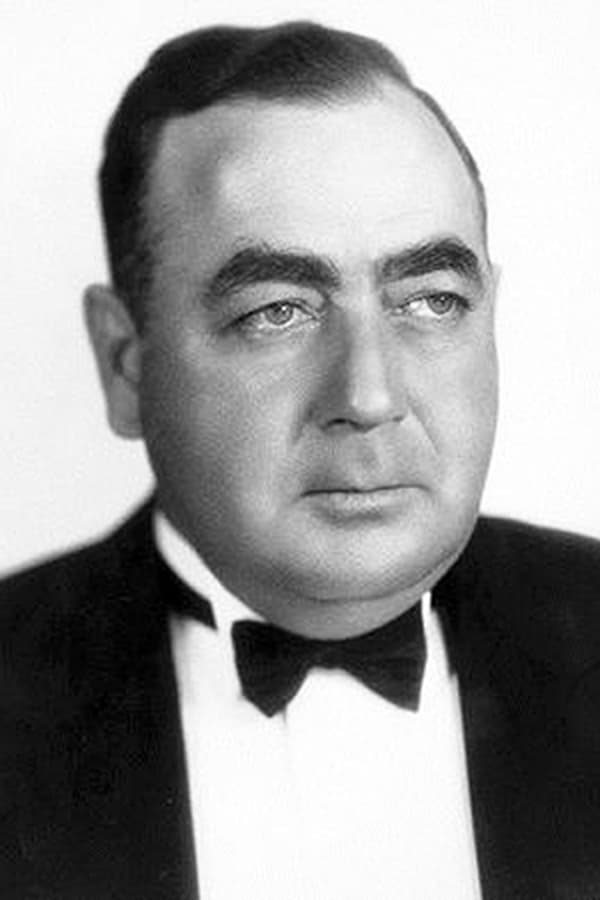
Eugene Pallette
James Clinton

Helen Parrish
Barbara Clinton

Lewis Howard
Walter Clinton

Leatrice Joy
Grace Clinton

Marcia Mae Jones
Marcia Parker
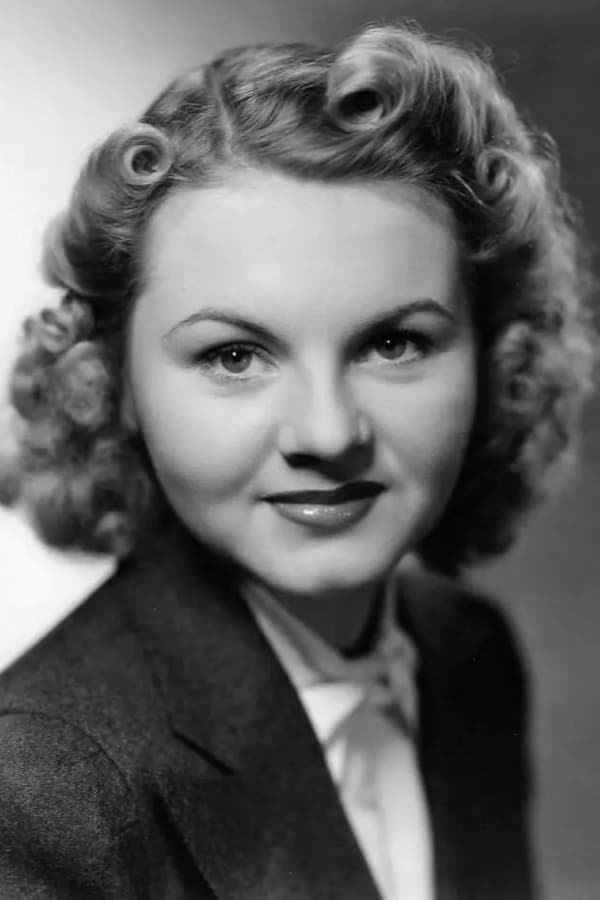
June Storey
Wilma van Everett

Frank Jenks
Mike the Cop
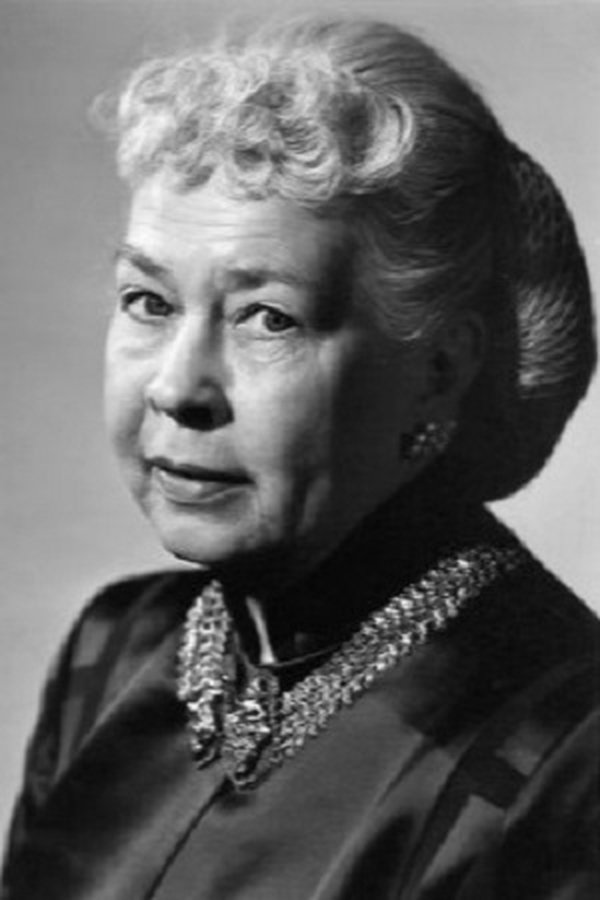
Kathleen Howard
Miss Wiggins

Thurston Hall
Anthony Drake
In Tall Girl, Jodi learns to stand tall and find confidence within.
Some moments of the series are intense and ends on a cliff-hanger that will have you yearning for a second season.
This 2016 winner of an Ophir Award for Best Film focuses on the forbidden romance of a young, Bedouin woman and the ramifications it has for her family, her identity, and her culture.
Throughout Brendan Fraser’s career, he has played a plethora of unique, layered characters who explore the importance of not being afraid to display your emotions, something that is often seen to not be a masculine trait. This idea of regulating emotion and what traits men are able to possess creates a toxic atmosphere for men who are often told they should not cry or represent their emotions in any physical way. These characters represent that men can be joyful, emotionally conscious, and sensitive, while also representing their masculine identity instead of painting those qualities as fighting against their masculinity.
Netflix's Afterlife of the Party might fall into the rom-com genre, but it's much more about grief, strong female friendships, and platonic love than it is about romance.