


Knives Out: Sharpest Writing of 2019?
Knives Out doesn’t just defy the whodunit narrative, it uses the weaknesses to its advantage. It’s well aware of the genre’s faults and tropes

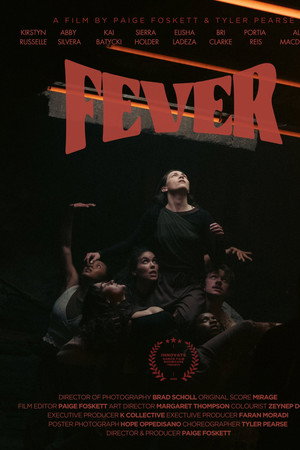
FEVER explores the feeling of spring pushed to its limits. Messy and brimming with life, bodies collide as desire takes over. Using movement as its primary source of storytelling, FEVER presents something viscerally human. Blurring the line between control and release, what begins as a glimmer of renewal, quickly becomes something more urgent and consuming.
Knives Out doesn’t just defy the whodunit narrative, it uses the weaknesses to its advantage. It’s well aware of the genre’s faults and tropes
Despite its simple premise, “imagine being a woman,” the horror behind "Men" feels fueled by a hollow understanding of the insidiousness of misogyny.
The way Jeannette has to deal with child neglect makes her insecure about her parents and how she was brought up and raised in the United States. This continues into adulthood, where Jeannette becomes a successful journalist and is frequently asked about her parents by others.
A simple question often sparks intense debate. Incluvie attempts a working definition for the beloved horror genre.
In a world where we hear ringers and beepers at every corner, technology feels inescapable. This is why technology is often an enemy in Digital J-horrors, like One Missed Call.
The second season arrives over three years after its first. While late on arrival, most audience members will be happy.