‘Fast Color’: A Strikingly Different Take on the Superhero Film - Movie Review
Set in a future dystopian United States in which water is running out, Julia Hart’s Fast Color (2018) is a refreshingly different take on the superhero film.

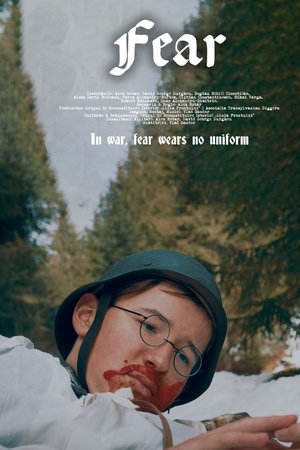


March 1945, on the frontlines of the Tatra Mountains, Romanian and German soldiers prepare for battle, bound by the same hidden fear. In the chaos of combat, beyond bullets and grenades, a harsh truth emerges: in war, they are all just humans.

Mihai Rotar, Sandor Vlad
Director
Alex Rotar
Sergent
David George Durgheu
Romanian Soldier
Bogdan Bădiță Ciocotișan
Romanian Soldier/German Soldier
Aless David Buteanu
Romanian Soldier
Horea Alexandru-Buftea
German Soldier/Romanian Soldier
Ciprian Constantinescu
Romanian Soldier
Mihai Varga
German Soldier
Robert Rainhard
Romanian Soldier
Alexandru Onac
German Soldier/Romanian Soldier
Set in a future dystopian United States in which water is running out, Julia Hart’s Fast Color (2018) is a refreshingly different take on the superhero film.
The genres of science fiction and fantasy are not exclusively masculine territory. Over the last few decades, female directors have brought to the screen some of the most visually stunning, intellectually daring, and deeply moving works of speculative fiction. From big Hollywood productions like Wonder Woman and Captain Marvel to independent low-budget films, women filmmakers are making a name for themselves around the world.
Two young girls meet in the same neighborhood unexpectedly as they embark on a new adventure using their imaginations as this movie brings strong representation among women.
A Girl Walks Home Alone At Night, though its feminism may be unintentional, cannot exist without its focus on women reclaiming power. The movie is feminist by definition, even if Amirpour didn’t write it with that in mind. A Girl Walks Home Alone At Night is mesmerizing, poetic, and stunning, both for its portrayal of feminist ideas and its powerful story that is both horrific and subtly romantic at once.
Elio could be seen as fantastic piece of representation, showing lonely children who feel ostracized that they are not alone. That is, unless you look behind the curtain.
A musical adventure that young viewers will enjoy as Blue and Josh travel to New York City for a big opportunity.