




Pro-Capitalism and other Antiquated Ideas on Court TV
Court TV shows offer uncritical eyes on the systemic inequalities of the legal world.
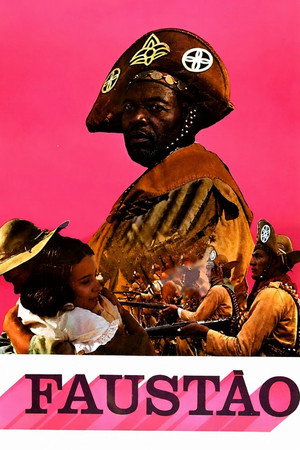


A gang of bandits led by Faustão intervene in a fight between two members of rival families, the Pereiras and the Araújos. Henrique Pereira, son of Colonel Pereira, is wounded in an ambush. Faustão rescues him and demands the father to pay a ransom in exchange for the life of his son. The bandit makes it clear to Henrique that he is not a prisoner and that he is only obeying the law of the backlands. Lucena, a henchman working for the Araújos, finds Faustão and offers twice the amount being asked to the colonel in order to take Henrique as a prisoner, but the bandit refuses the offer. Colonel Henrique pays the ransom, but the son refuses to return home, even being aware of the feud between his family and the Araújos. The young man chooses to join the gang.
Court TV shows offer uncritical eyes on the systemic inequalities of the legal world.
In Spike Lee’s She’s Gotta Have It (1986), we follow the love life of powerful female protagonist Nola Darling (Tracy Camilla Johns) and explore the relationship dynamics she has with her partners. She sees three men simultaneously: Greer Childs, (John Canada Terrell) Mars Blackmon (Spike Lee), and Jamie Overstreet (Tommy Redmond Hicks). Though an 80’s film, She’s Gotta Have It is surprisingly progressive with its themes of female sexuality, although at some points in the film it is handled clumsily. Overall Nola is an incredibly compelling character especially for modern women, as we as a society acknowledge female sensuality more and more without the negative stigma.
"Ladies First" has a fundamental misunderstanding of what's feminine because of the patriarchy and what women do because they genuinely enjoy it.
The film follows the biblical story of Moses, from his time as a prince of Egypt, to a leader for the people of Israel. It’s a film that works brilliantly in animation, and is one that both children and adults can; enjoy despite its religious contexts, it is friendly to general audiences.
I didn’t love Expecting Amy, the mini-series following Amy Schumer’s pregnancy, but it brought up a lot of great unspoken side-effects of working and growing a human in America.
Never Have I Ever season 3 is charming and hilarious as it has been in past seasons and still sports a diverse ensemble cast. However, the show doesn’t always treat its marginalized characters that well.