

How Women Spectatorship in ‘Run Sweetheart Run’ Makes it the Most Relatable Horror Film for Women
‘Run Sweetheart Run’ has everything women fear the most, from psycho boyfriends to tampons.
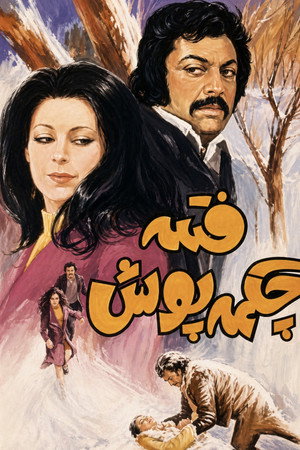


Fatemeh (Yasmin Sadri) runs away from her father's (Hossein Amirfazli) house and is met by a young driver named Nader Siah (Homayun Bahadran). Nader takes her to the house of her mother (Malihe Nasiri) and her brother (Amir). Nader's mother informs Fitne's father and returns the girl to her father's house. A man named Shoja (Mansour Matin) and a driver named Ismail (Mohammad Eskandari) insult Fitne and her friend Mojgan (Marguerite). Fitne keeps the matter a secret from Nader. Fearing disgrace, she marries a young man named Ali (Manouchehr Valizadeh) at Mojgan's suggestion. Parvaneh (Jaleh) decides to kill Fitne; but Ismail prevents her. Ali divorces her to save Fitne's life. When Fitneh decides to start a new life with Nader, Shoja, who has no children, tries to take over Fitneh's son. Shoja and several others go to Nader's house and after a struggle, they kidnap the child. While fleeing, Shoja crashes into a car and dies.
‘Run Sweetheart Run’ has everything women fear the most, from psycho boyfriends to tampons.
What starts off as a success story for a single mother living below the poverty line, slowly begins to weave itself into a tangled web of greed, guilt, and destruction.
“And I think to myself….what a wonderful world”. Louis Armstrong sang about this notion via his classic 1967 song, an ode to witnessing elements of our life that should be but some reminders of exactly what that concluding line of each verse indicates. Now we see our contemporary realities and, just being honest, it makes a sentiment like this seem SO overtly far away….perhaps even impossible….to accept or believe could be. It sounds harsh, but again, so much of what is occurring speaks not to beauty, but bedlam.
Poor Black characters are usually surrounded by crime and violence, while poor White characters are portrayed as noble and hard-working.
One of the reasons that people with albinism have a difficult time being seen and represented in media is probably because there is a small percentage of them.