Dead Poets Society Steals a Queer Story
Dead Poets Society relies on patriarchal tropes such as overbearing fathers, contrived brotherhood, and faux-individuality in order to portray its straight white male characters as oppressed.
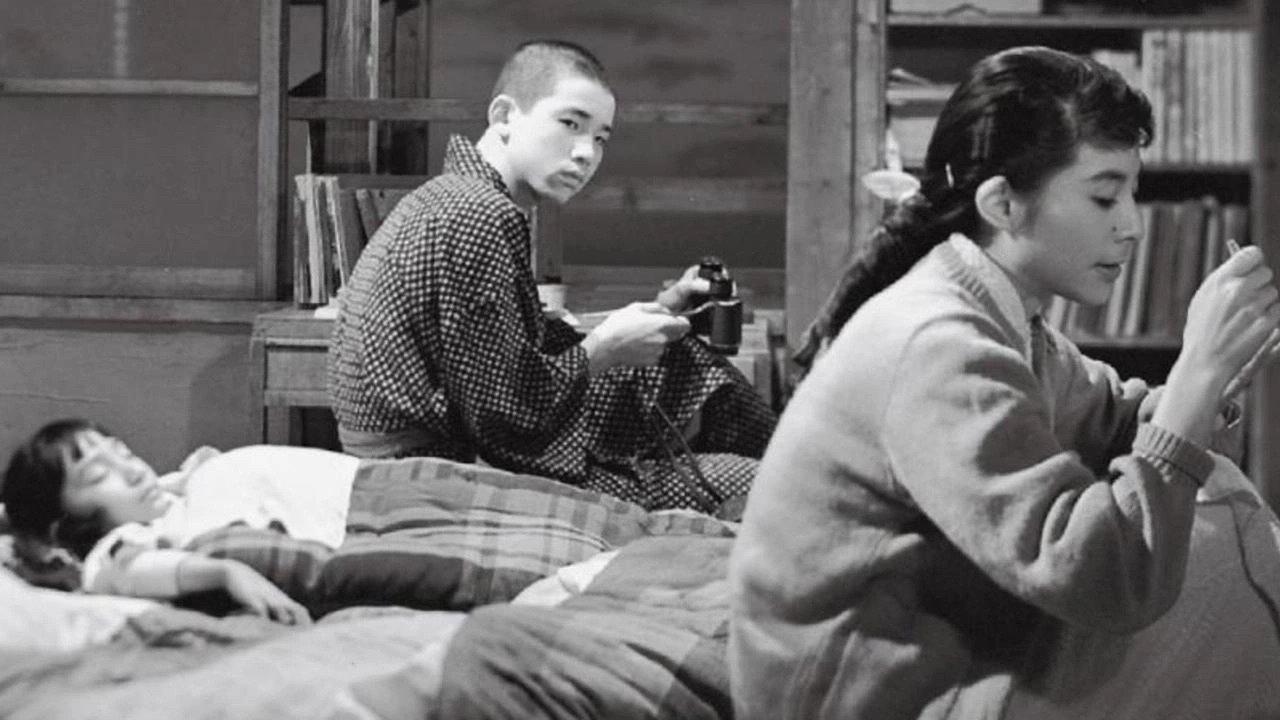
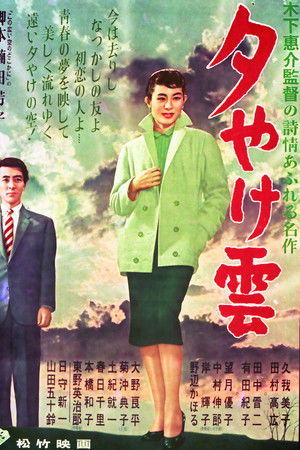


A coming-of-age story portrayed as the loss of all youthful illusions. Sixteen-year-old Yoichi dreams of becoming a sailor. His parents are fishmongers, and Yoichi lives together with them and his four siblings in cramped living conditions. His beloved younger sister is given to a wealthy, childless uncle; his best friend moves away; the girl he fell in love with from afar is with someone else: little by little, Yoichi loses all the people that are important to him.
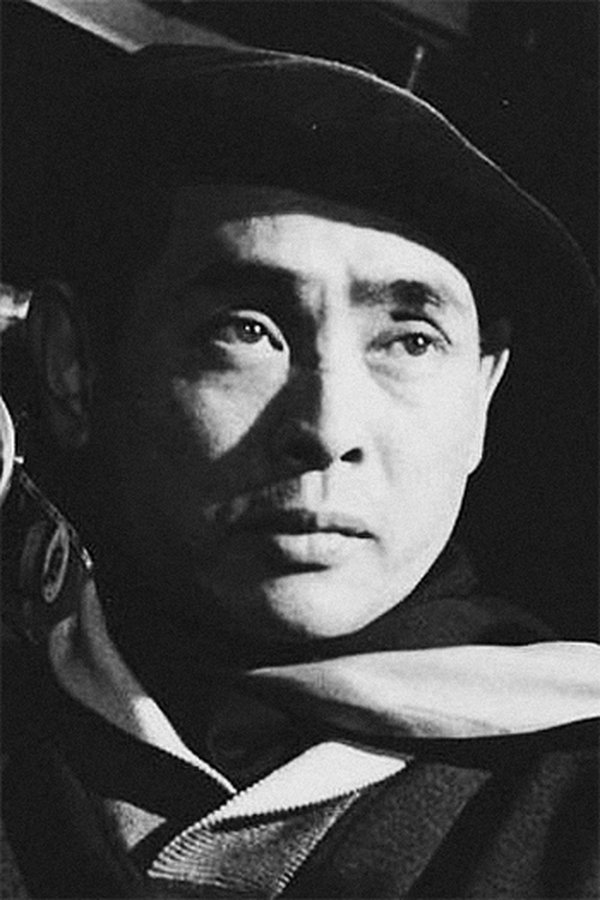
Keisuke Kinoshita
Director

Shinji Tanaka
Yôichi Akimoto
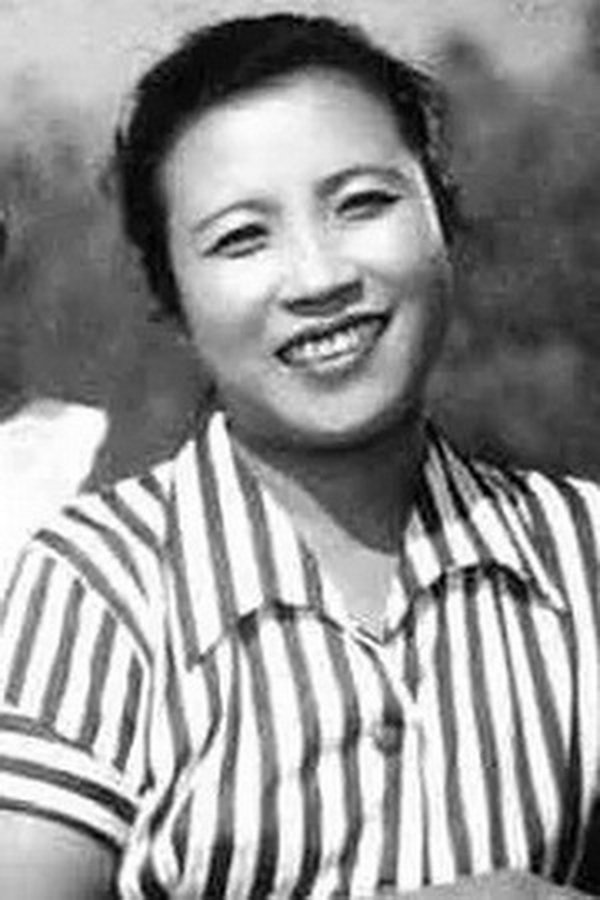
Yūko Mochizuki
Yôichi's mother, Oshin
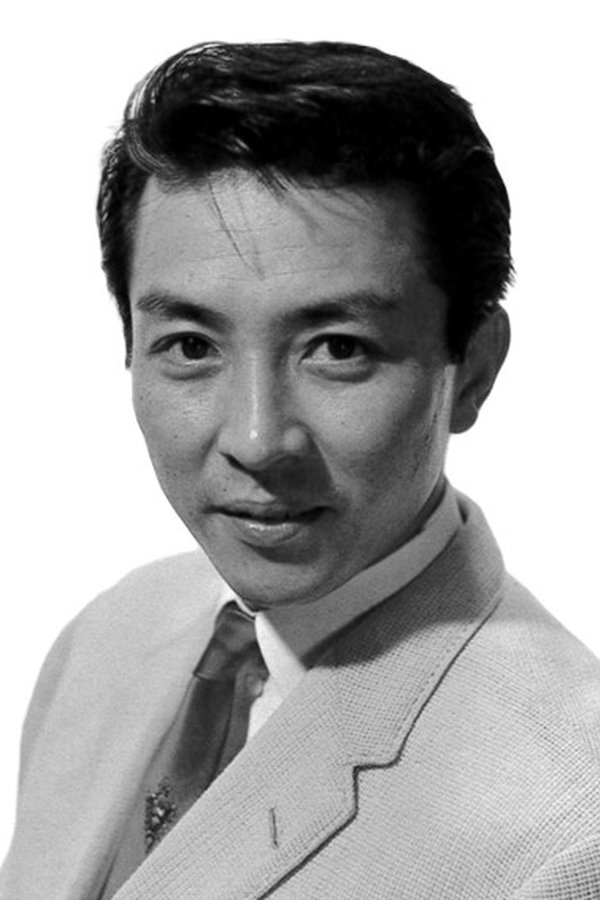
Takahiro Tamura
Sudô
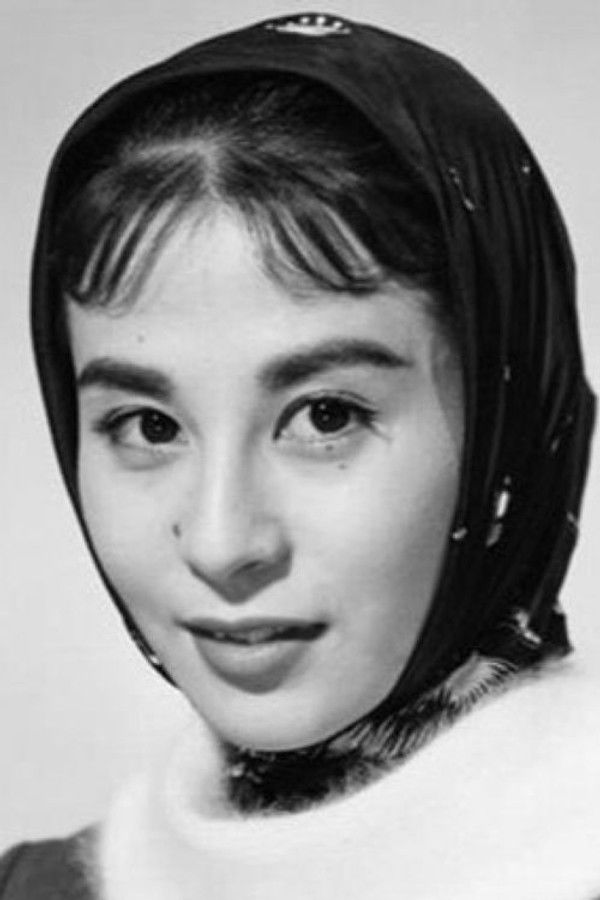
Yoshiko Kuga
Yôichi's older sister, Toyoko

Isuzu Yamada
Seiji's mother, Kiyo
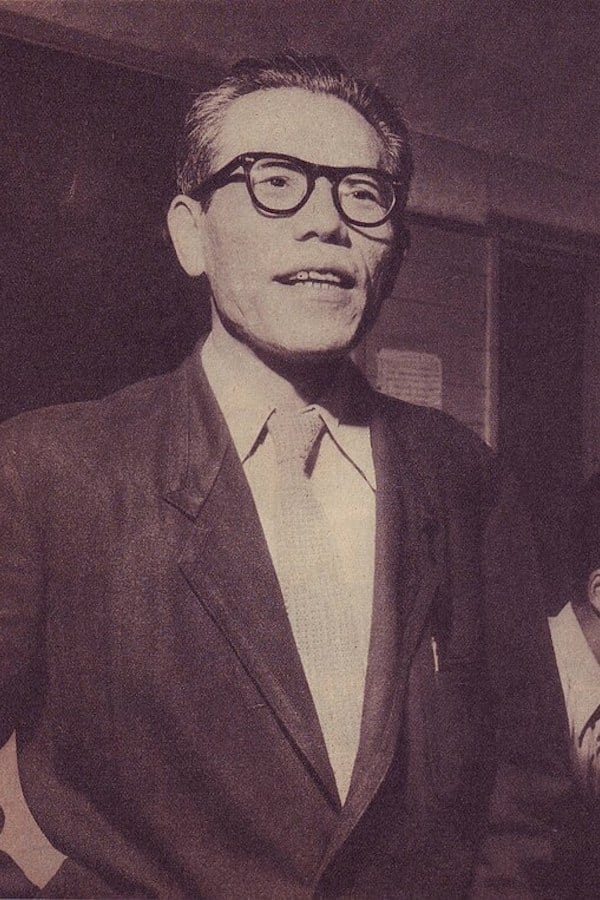
Eijirō Tōno
Yôichi's father, Genkichi
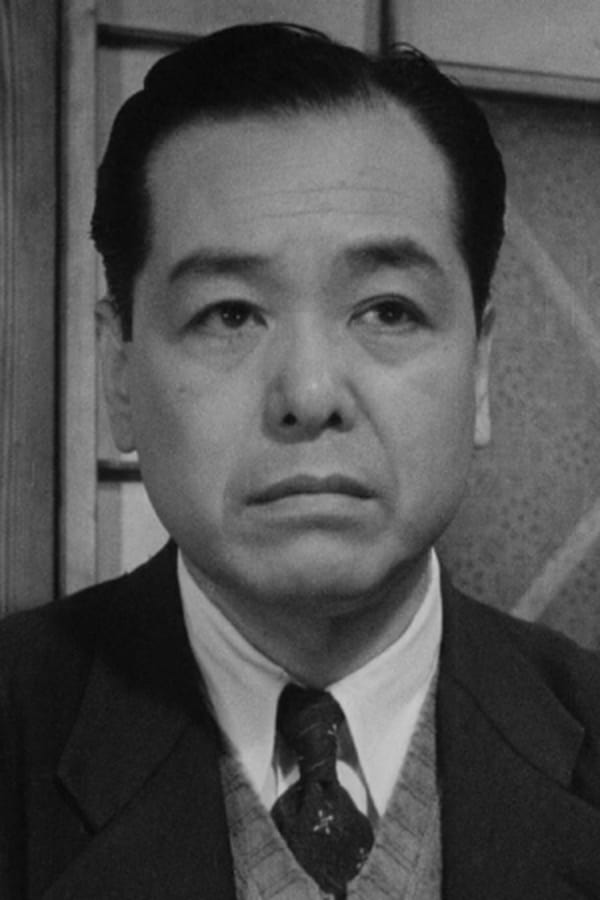
Shinichi Himori
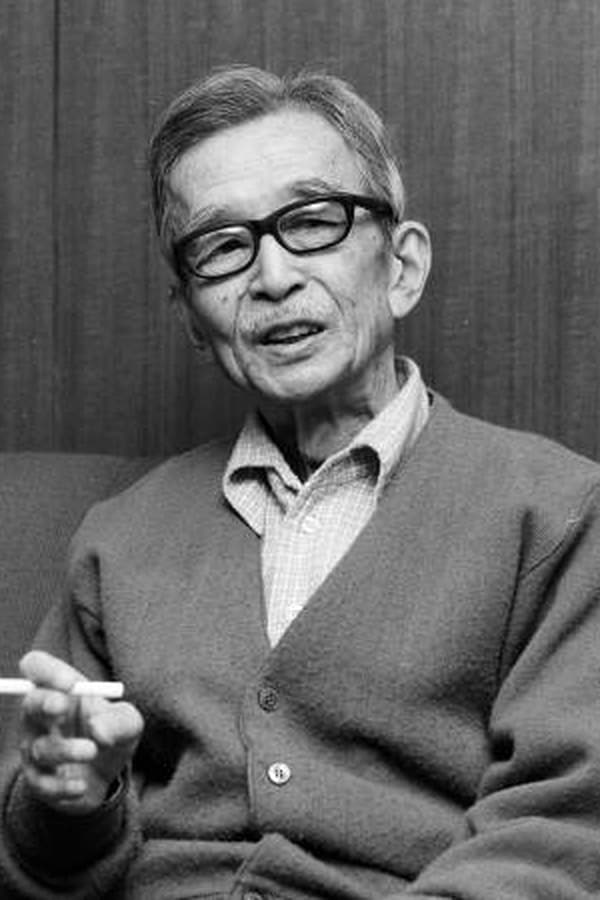
Nobuo Nakamura
Seiji's father, Haruo
Noriko Arita
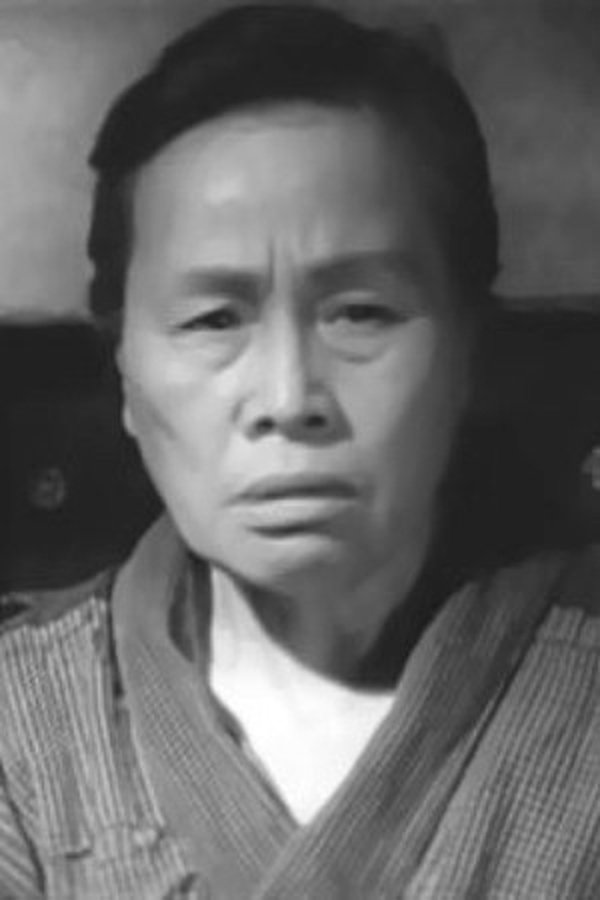
Teruko Kishi
Noriko Kikuoki
Yôichi's younger sister, Kazue
Dead Poets Society relies on patriarchal tropes such as overbearing fathers, contrived brotherhood, and faux-individuality in order to portray its straight white male characters as oppressed.
This animated Christmas movie is based on the classic novel of the same name.
In light of the trailer release for the Five Nights at Freddy's sequel, it’s due time to talk about the first movie.
Gay representation is out there, but to portray a character who's gay as a big, happy brute is a rare treat.
This sports drama movie is centered around an Asian American boy named Chang.
For the entirety of Raiders of the Lost Ark, Marion remains in full control of both her body and her personality, a rarity for female characters at the time of the film’s release. She’s granted depth with personal demons from her past and emotional vulnerability when the situation deems it appropriate for her to grow alongside Indy. She avidly rejects the notion of being anything other than a sassy, humane rebel, and Indy’s equal in every way. This she does while still maintaining her femininity.