Luke Skywalker, Gay Icon: Part 1
Star Wars is better if you believe that Luke Skywalker is gay. You can't change my mind.




Fallen Champ: The Untold Story of Mike Tyson is a 1993 film made by acclaimed American documentary filmmaker Barbara Kopple. Though Tyson was in jail serving a sentence for rape, Kopple used existing interviews with the boxer, as well as her own extensive interviews with those closest to Tyson, to explore the man's history. The film traces Tyson's story from his troubled and tumultuous upbringing, through his rapid ascendancy in the ranks of the boxing world and his subsequent struggle with the trappings of fame. Fallen Champ earned Barbara Kopple a Directors Guild of America award as Best Documentary Director of 1993.
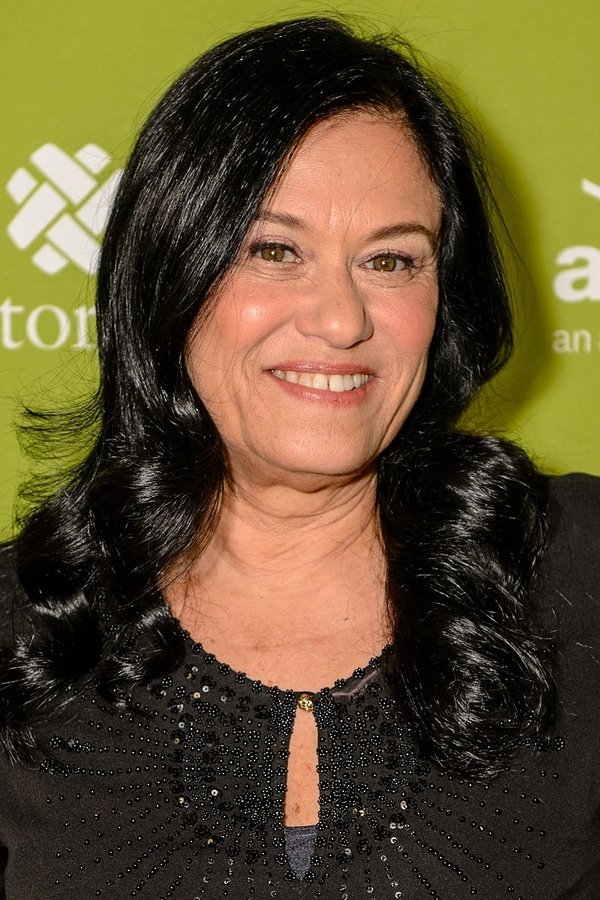
Barbara Kopple
Director


Mike Tyson
Self (archive footage)

Cus D'Amato
Self (archive footage)

Don King
Self (archive footage)

Robin Givens
Self (archive footage)
Curtis Ratliff
Self - Friend
Tracy Trey Travis
Self - Friend

Louis Farrakhan
Self (archive footage)

Joyce Carol Oates
Self

Evander Holyfield
Self (archive footage)

Larry Holmes
Self (archive footage)

James Douglas
Self (archive footage)
Star Wars is better if you believe that Luke Skywalker is gay. You can't change my mind.
Baggage’s experimental mixed formats visualized a woman’s brave inner journey of visiting the museum of her fragmented memories.
An adaptation of the book series ‘The Knife Of Never Letting Go’.
Sorry to Bother You ultimately speaks to the unfair advantages that the country’s power structures award to those with the resources to control others, as Lift’s easy access to the media allows his opinion to be the only one that matters in the eyes of the unsuspecting and easily impressed public. Moreover, it reveals the extent to which the American Dream has any true validity. It postulates how the promise of success and fulfillment as promoted by the American Dream more often than not leads to the undoing of the individual. Interestingly, in its revealing of the American Dream as merely a facade, Sorry to Bother You wisely questions whether or not anything can really be done to undo a system that has been accepted and in action for centuries.
The cancelling of these series is being blamed on the writers' strike and low viewership, but it's just the latest example of the industry's lack of appreciation for stories about queer women.
This Pride month, Hulu’s 'Love, Victor' comes to a close with its third and final season—it’s most complicated yet sweetest season yet.