
Surface Level "People We Meet on Vacation" is Still a Fun Time
Unfortunately, People We Meet on Vacation didn’t hold up quite as well as I’d hoped.
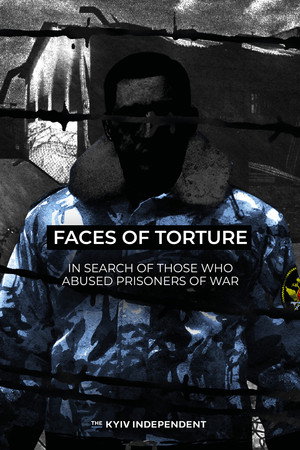


Since the beginning of the full-scale invasion, Russia has used the Olenivka prison, located in Russian-occupied Donetsk Oblast, as a camp for prisoners of war and civilian hostages from Mariupol. Thousands of Ukrainians, including servicemen from the Azov Brigade, have been held captive in its cells. Those who returned from captivity spoke about the inhumane conditions of detention, hunger, and torture in this prison. For six months, the Kyiv Independent team has been working on recreating a picture of the events that took place in Olenivka. Journalists recorded dozens of interviews with the servicemen and civilians who witnessed gross violations of international law.
Unfortunately, People We Meet on Vacation didn’t hold up quite as well as I’d hoped.
This Netflix original series is for animal lovers and fans of light horror series.
Perhaps the most amazing and groundbreaking quality about The Birdcage is how removed it is from both illness and insensitivity. Whereas films preceding it were often somber stories about the tribulations of being gay in a conservatively straight world, Nichols and screenwriter Elaine May expose the fallacies of conservatism as traditional values are thrown into a more open-minded space. They don’t care how far the community has fallen so much as how high they can rebuild themselves.
A throwback to the last months of the 20th century in this comedy film.
America is the crux of the storyline: she is the only person in existence with the power to jump between universes. As central as America is to the Multiverse of Madness story, she somehow didn’t get that much to do.
Typically in film, characters suffering from mental illness are used as plot devices or exaggerated for comedy. 'The House that Jack Built's representation exceeds in accuracy and realism of OCD.