











'Ashley Garcia: Genius In Love' (2020)
This Netflix series is about Ashley Garcia, who gets a once in a lifetime opportunity to work at NASA.
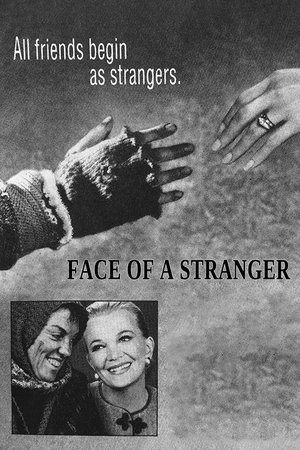


After the death of her husband, Pat learns that he gambled away all of their savings and that she's now destitute. She may even have to leave their apartment. Much to the embarrassment of her daughter Tina, who wants to marry a rich snob, she helps the homeless Dollie, who lives in a cardboard box near her building, and they become friends
This Netflix series is about Ashley Garcia, who gets a once in a lifetime opportunity to work at NASA.
The social issues The Half of it takes on are handled well, between the antagonization brought on to Ellie for her race and the conflict that arises from her being gay. Both aspects of her character are built up over the course of the film and don’t seem abrupt or rushed. The film shows racism towards Ellie and her and father in varying levels, from having her schoolmates specifically address her as "Chinese girl” to the fore mentioned way her Dad is treated due to language barriers. The same can be said about Ellie being a lesbian. While she never truly “comes out” in the narrative, that does not undermine her journey of self-discovery from being meaningful. These ideas aren’t thrust upon the viewer in a preachy manor, the scenarios that occur feel believable given the rural setting. The film presents watchers with problems whom those like Ellie may face, and leaves us to sit with them and reflect.
A lonely little Hawaiian girl and her mischievous blue alien friend form a bond that heals both of their hearts, as well as ours. This live action version adds emotional nuances—notably in the sisters’ dynamic—while preserving the charm of the original.
I didn’t love Expecting Amy, the mini-series following Amy Schumer’s pregnancy, but it brought up a lot of great unspoken side-effects of working and growing a human in America.
With 'The Last Movie Stars,' filmmaker and fanboy Ethan Hawke cracks the facade of Hollywood's last golden couple, but reveals a couple who were committed to each other before all else.
A Girl Walks Home Alone At Night, though its feminism may be unintentional, cannot exist without its focus on women reclaiming power. The movie is feminist by definition, even if Amirpour didn’t write it with that in mind. A Girl Walks Home Alone At Night is mesmerizing, poetic, and stunning, both for its portrayal of feminist ideas and its powerful story that is both horrific and subtly romantic at once.