
Time Passing in "Hog Heaven: The Pigz Brotherz Story"
This indie short documentary archived the story of a staple rock band as well as an essential part of local history.
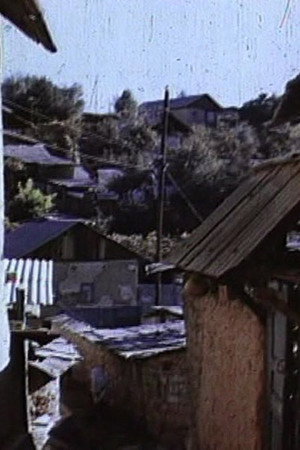


Life in the Tajik city, everything a neighbor of everything else: a Muslim burial rite, a Soviet May 1st demonstration, women sweeping the floor, a quarrel in a theater about a contemporary set, old men queuing for groceries, young men leaving home for the army, an elderly women coming up to the camera and asking “And why are you filming?” The film, capturing the time, faces, songs, thoughts and hopes of the people, ends with a panorama of peaceful Dushanbe and a song in the background by Boris Grebenshikova.
This indie short documentary archived the story of a staple rock band as well as an essential part of local history.
A simple question often sparks intense debate. Incluvie attempts a working definition for the beloved horror genre.
Court TV shows offer uncritical eyes on the systemic inequalities of the legal world.
Crossroads follows a young guitarist on a journey through the American South in search of blues history and his own voice.
Gay representation is out there, but to portray a character who's gay as a big, happy brute is a rare treat.
‘Sexy Beasts’ promotes itself as different from other dating shows as being not appearance-based. This is true to some extent thanks to the special effects makeup. However, looks do still play a role despite the masks.