





Twin Peaks: Why LGBTQ Ally Depiction is Crucial
Portraying how easy it is to be an ally heavily benefits the majority audience. The more we encourage it, normalize it, and give people the tools to become one, the sooner we can co-exist peacefully.
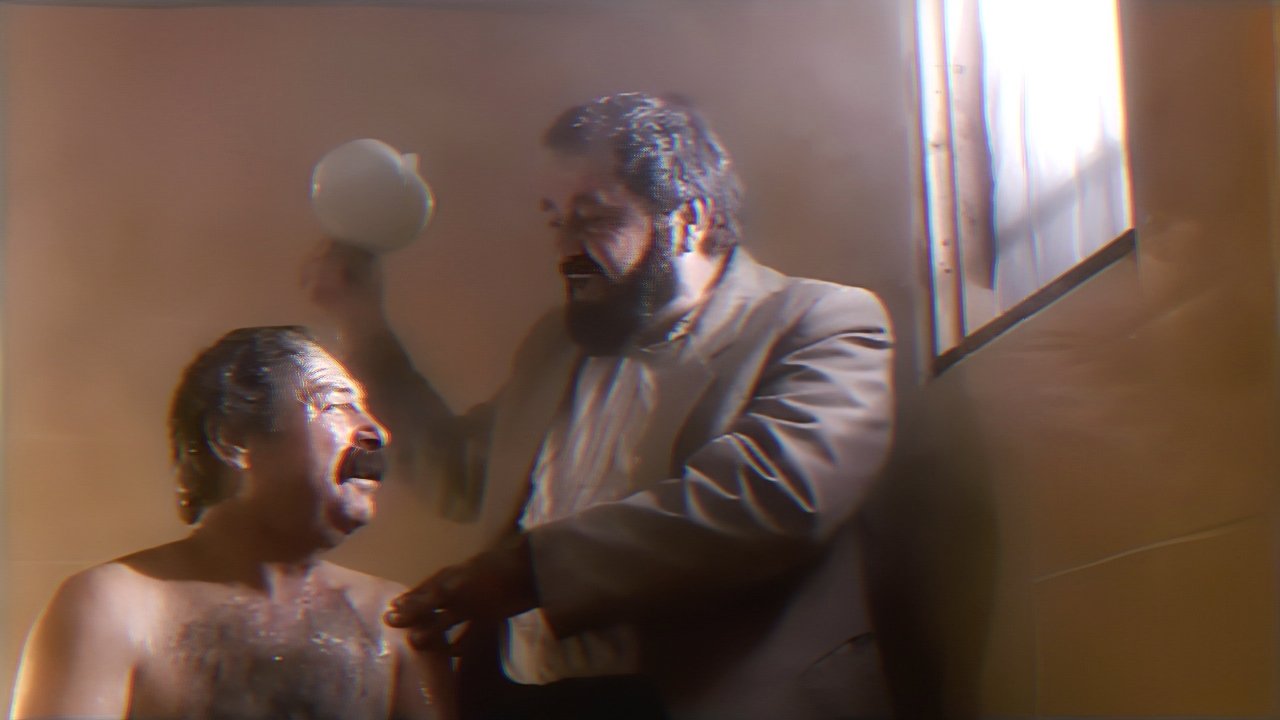



In the middle of the night, a luxury jeep cruising the streets hits a poor villager on a moped. As the people in the jeep get out to see who they hit, the camera focuses on Reşo's life in the village. From that moment on, we begin to follow the life of Reşo, who lives in a rural area in the east. Following Reşo's story, the story of Yusuf, the editor-in-chief of a newspaper, and the shady dealings taking place at the newspaper are brought into focus. The story continues as the characters move toward the point where their paths collide.
Portraying how easy it is to be an ally heavily benefits the majority audience. The more we encourage it, normalize it, and give people the tools to become one, the sooner we can co-exist peacefully.
Ditch the lube and get to the point in the raw, honest, cheeky dramedy written and directed by Mark Schwab.
Two movies that do a fantastic job in conveying the ongoing struggle for racial justice are Selma (2014) and Just Mercy (2019).
What are we willing to walk through to see our dreams come to pass? Our minds might be so wholly alive with the passions we carry and the plans we make to see these things become all we wish them to be, yet life doesn’t always want to come alongside. Instead, obstacles arise, both physical and mental, which attempt to dissuade us or even prevent us from moving forward, stalling or stagnating the momentum to achieve what we desire. The age-old question remains….can we overcome? Or will we BE overcome?
The Fog follows more of a 1950s creature feature plot than a late-70s slasher with three legendary scream queens.
The film basically says she was a lost cause from the start. We don't get a sense of who Marilyn was.