
The Phoenician Scheme: A Man of No Identity
Wes Anderson offers a light-hearted comedy in the Middle East centering around Catholic motifs.
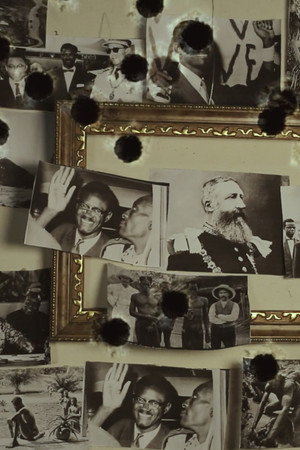


E’ville (short for Elisabethville, name given to the city of Lubumbashi before 1960). A film in layers, which superimposes musical atmospheres, sound archives, images and ghosts. A juxtaposition of images of an empty place with the weight of history, through an intimate story in off: an open letter from Lumumba to his wife. The desolation of the place unfolds under the impulse of the voices and the bodies which cross it. Combining family intimacy with history, the film immerses us in the collective memory of the country.
Wes Anderson offers a light-hearted comedy in the Middle East centering around Catholic motifs.
The sequel to the 2021 remake of the same name continues from where we last left off in this spooky adventure.
Diversity is incorporated in a way that only aids in a well-rounded conveying of stories through different lenses. The show’s success is a testament to what audiences are craving: authentic stories that broaden the mind and heart.
Throughout Brendan Fraser’s career, he has played a plethora of unique, layered characters who explore the importance of not being afraid to display your emotions, something that is often seen to not be a masculine trait. This idea of regulating emotion and what traits men are able to possess creates a toxic atmosphere for men who are often told they should not cry or represent their emotions in any physical way. These characters represent that men can be joyful, emotionally conscious, and sensitive, while also representing their masculine identity instead of painting those qualities as fighting against their masculinity.
The definition of the word foul is “offensive to the senses,” which is a pretty good summation of the new Disney+ film, Artemis Fowl
If you enjoy Japanese cinema, absurdly violent action films, gangster flicks, or joyfully strange cinema, 'Why Don’t You Play in Hell?' is a must-see.